
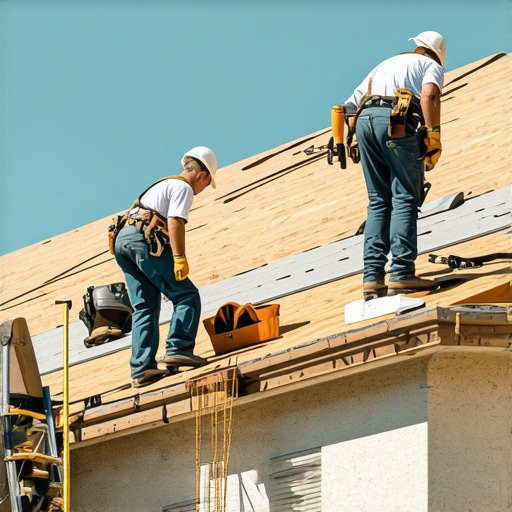
The Forensic Reality of the 2026 Roof Tear Off
Walking on that roof felt like walking on a sponge. I knew exactly what I would find underneath before the first pry bar even touched a shingle. It was a humid Tuesday, and the air smelled of wet cedar and moldy OSB. This was not a failure of the shingles themselves; it was a failure of the system. Most roofing companies will tell you that a replacement is just about nailing down new grit, but after 25 years in the trade, I can tell you that a true tear-off is a forensic autopsy of your home’s defense. If you do not understand why the last roof failed, you are just paying to repeat history.
1. The Invisible Enemy: Capillary Action and the Starter Strip
When we talk about 2026 roofing standards, we have to look at the physics of water. Most homeowners think rain just falls off a roof. It does not. Water is sticky. Through capillary action, water can actually travel uphill, sucking itself into the tiny gaps between a poorly installed drip edge and the starter course. When local roofers skip the dedicated starter strip and just flip a three-tab shingle upside down, they create a shelf. That shelf catches water, holds it against the fascia, and eventually rots your rafter tails. In a cold climate, this is where the nightmare begins. Once that water gets under the shingle, it freezes, expands, and lifts the fastener. A single shiner—a nail that missed the rafter and hangs exposed in the attic—becomes a conduit for frost. In the winter, your warm attic air hits that cold nail, turns into ice, and then drips onto your insulation when the sun comes out. You think you have a leak, but you actually have a physics problem.
“Asphalt shingles shall be fastened to solidly sheathed decks… fasteners shall be driven straight and flat with the shingle surface.” – International Residential Code (IRC) R905.2.5
2. The Myth of the Lifetime Warranty
Let’s talk about the marketing garbage that many roofing companies use to lure you in. The “Lifetime Warranty” is the greatest trick the industry ever pulled. If you read the fine print, those warranties often only cover manufacturing defects—the kind that almost never happen. They do not cover poor ventilation, which is the number one killer of roofs in our zone. If your attic hits 140°F in the summer because your ridge vent is choked or your soffits are stuffed with fiberglass, you are effectively baking your shingles from the inside out. The oils in the asphalt migrate to the surface, the granules slough off, and your thirty-year roof is toast in twelve. When planning a tear-off, you must demand a ventilation audit. Without balanced intake and exhaust, that new warranty is nothing more than a very expensive piece of paper.
3. The Anatomy of the Valley and the Cricket
The valley is the most vulnerable square footage on your roof. It is where the most water accumulates and where most “cheap” contractors cut corners. They might use a woven valley because it is fast, but a true forensic roofer insists on an open metal valley or a California-cut with a heavy-duty ice and water shield underneath. Furthermore, if you have a chimney wider than 30 inches, the 2026 standard dictates a cricket. This is a small peaked structure built behind the chimney to divert water. Without it, water pools behind the brick, saturated the mortar, and eventually finds a way into your living room. I have seen chimneys without crickets turn into vertical ponds, where the hydrostatic pressure of the standing water forced its way past even the best counter-flashing.
“A roof is only as good as its flashing.” – Old Roofer’s Adage
4. Substrate Integrity: Why We Strip to the Wood
I have seen roofing companies try to sell “lay-overs” to save a buck. This is a crime. You cannot inspect the health of a deck through a layer of old felt. During a 2026 tear-off, every square (that is 100 square feet in trade talk) must be inspected for delamination. If the plywood has turned to oatmeal, you can’t nail to it. A nail driven into rotten wood has zero pull-out resistance. During the next high-wind event, those shingles will flap like a deck of cards. We look for the graying of the wood, the rusted tips of old nails, and the tell-tale white stains of old leaks. We are looking for the story the old roof is trying to tell us about the house’s structural health.
5. The Ice and Water Shield: More Than Just a Code Requirement
In our region, the battle against ice dams is won at the eaves. The 2026 building codes are becoming stricter about how far up the roof slope the self-adhering polymer-modified bitumen (ice and water shield) must go. It is not just about the two feet inside the wall line anymore. It is about protecting the transition points. We apply it in the valleys, around the pipes, and along the rakes. This membrane acts as a gasket around the nails. If an ice dam backs up water under the shingles, this membrane is the only thing standing between a dry house and a 10,000-dollar insurance claim for ruined drywall. Do not let local roofers talk you into a cheaper synthetic underlayment in these high-risk areas; it doesn’t have the self-healing properties required to stop a slow-motion flood.
Choosing Your Specialist
When you interview roofing companies for your 2026 project, ask them about thermal bridging and attic bypasses. If they look at you like you are speaking a foreign language, show them the door. You want the guy who carries a moisture meter and a thermal camera, not just a staple gun. You want the veteran who knows that the details in the flashing and the precision of the fasteners are what separate a shelter from a sieve. A roof is a complex thermal and hydraulic system, and treating it like a simple aesthetic choice is the fastest way to waste twenty grand.
This article offers such a comprehensive breakdown of what really goes into a proper roof tear-off. I particularly appreciate the emphasis on inspecting the substrate integrity; it’s easy to overlook how crucial the underlying deck is to the roof’s longevity. I had a contractor suggest a lay-over once, and after doing some research, I found out how risky that can be if the deck isn’t thoroughly inspected beforehand. It’s clear that a forensic approach saves money and headache in the long run. I’m curious, has anyone dealt with a situation where improper ventilation significantly shortened the lifespan of a roof? Ensuring proper attic airflow seems vital, but it’s often a step overlooked by less experienced roofers. Would love to hear thoughts on effective ventilation strategies in different climates.