
The Day I Walked on a Sponge
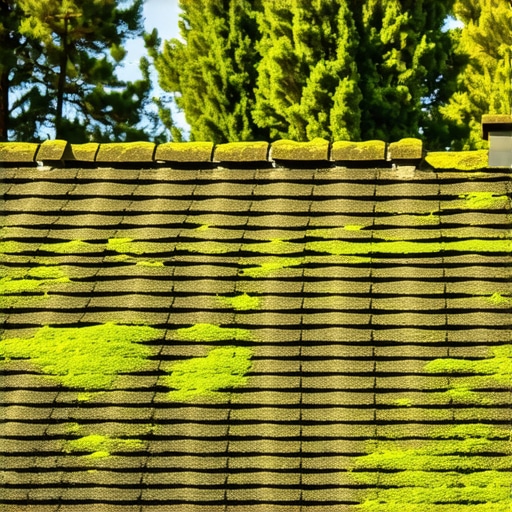
Walking onto a roof in the Pacific Northwest usually involves a bit of a slip-and-slide, but this particular job in the outskirts of Portland felt different. It didn’t feel like walking on shingles; it felt like walking on a giant, saturated sponge. I knew exactly what I would find underneath before I even pulled my pry bar. When we finally peeled back the layers, the plywood didn’t just have rot; it had turned into a dark, fibrous compost. This is the reality that many homeowners face when they ignore the silent creep of biological growth. Moss isn’t just a cosmetic ‘cottage core’ aesthetic; it is a structural parasite that thrives on the very materials meant to protect your home. As we look toward 2026, shifting humidity patterns and the limestone fillers used in modern asphalt shingles are creating a perfect storm for moss colonization. If you are calling local roofers because your roof looks green, you are already three years too late to the party.
The Physics of Biological Decay: How Moss Kills a Square
To understand why moss is a death sentence, you have to look at the mechanism of a shingle. Most modern shingles use limestone as a filler. Moss loves limestone. It doesn’t just sit on top; it sends out rhizoids—root-like anchors—that burrow into the mineral granules. This creates a micro-environment of permanent moisture. In a standard roofing system, water is supposed to shed via gravity. Moss disrupts this entirely through capillary action. It sucks water upward and sideways, drawing it under the leading edge of the shingle. Once the water is trapped there, it bypasses the drainage plane and sits against the nail heads. Eventually, you get a ‘shiner’—a nail that missed the rafter or has rusted out—allowing water to drip directly into your attic insulation.
“Roofing systems shall be designed and installed to shed water and shall be weather-tight.” – International Residential Code (IRC) R903.1
Sign 1: The ‘Velvet’ Canopy and Granule Migration
The first sign of 2026-grade moss growth is the appearance of a thick, velvet-like carpet in the shadowed valleys or the north-facing slopes. By the time it looks like a lush forest, the moss has already displaced the protective granules of your shingles. Granules are there to protect the asphalt from UV radiation. When moss takes root, it pushes those granules aside. If you look in your gutters and see a thick layer of ‘shingle sand,’ your roof is losing its skin. Without granules, the asphalt bake-off begins, leading to premature cracking and brittleness. Roofing companies often see this on roofs that are only 10 years into a 30-year warranty.
Sign 2: Shingle ‘Lifting’ and Wind Vulnerability
Moss has a surprising amount of structural strength when it’s hydrated. As a moss clump grows, it acts like a wedge, slowly prying up the edge of the shingle above it. This breaks the sealant strip—that line of tar meant to hold the roof together in a windstorm. Once that bond is broken, your roof’s uplift rating drops to near zero. A moderate gust that should have been harmless now has the leverage to rip an entire square of shingles off the deck. If you see shingles that appear to be ‘curling’ but have green tufts underneath, the moss is literally mechanical-levering your house apart.
Sign 3: The Lateral Water Blockade
In a heavy downpour, water needs a clear path to the eave. Moss acts as a series of tiny dams. When water hits a moss clump, it doesn’t just stop; it moves laterally (sideways). It travels along the top of the shingle until it finds a vertical butt joint. From there, it moves under the shingles. This is why you might see a leak in your living room ceiling even though the roof looks ‘fine’ from the ground. This hydrostatic pressure is the same force that pushes water through a basement wall, and your shingles aren’t designed to fight it. Local roofers who just ‘patch’ these areas without addressing the biological growth are just taking your money for a temporary fix.
Sign 4: The Gutter Compost Ecosystem
Check your gutters. If you see more than just leaves—if you see actual soil, small weeds, or even seedlings—you have a major moss problem. Moss traps dust, pollen, and organic debris, turning it into a rich, acidic soil. This acidity eats away at the galvanized coating of your flashings and the aluminum of your gutters. Once the ‘cricket’ (the small peak behind a chimney) gets covered in this organic muck, it will rot through the metal in a matter of seasons. I’ve seen 26-gauge steel look like Swiss cheese because of the acidic runoff from a moss-infested roof.
“The accumulation of organic debris and the subsequent growth of moss and lichens can significantly reduce the service life of asphalt shingles by retaining moisture and causing physical damage to the granule surfacing.” – National Roofing Contractors Association (NRCA)
Sign 5: The Attic ‘Must’ and Thermal Bridging
The final forensic sign isn’t on the roof at all—it’s in the attic. Moss keeps the roof deck perpetually cold and damp. This creates a massive temperature differential between the hot attic air and the cold, wet plywood. This leads to condensation on the underside of the deck, which invites secondary mold growth. If your attic smells like a damp basement, your moss-covered roof is likely the culprit. This moisture also ruins the R-value of your insulation, making your HVAC system work twice as hard to keep the house comfortable.
The Solution: Surgery vs. The Band-Aid
Many homeowners try to ‘pressure wash’ the moss off. Never do this. Pressure washing a roof is like using a literal sandblaster on your home’s primary defense. It blasts the granules off and forces water deep into the substrate. The only real ‘fix’ for a heavy infestation is a chemical treatment followed by a gentle manual removal, or in severe cases, a full tear-off. To prevent this in 2026, insist on roofing companies installing zinc or copper strips at the ridges. When it rains, the metallic ions wash down the roof, creating an environment where moss cannot survive. It is the difference between a roof that lasts 30 years and one that fails in 12.