
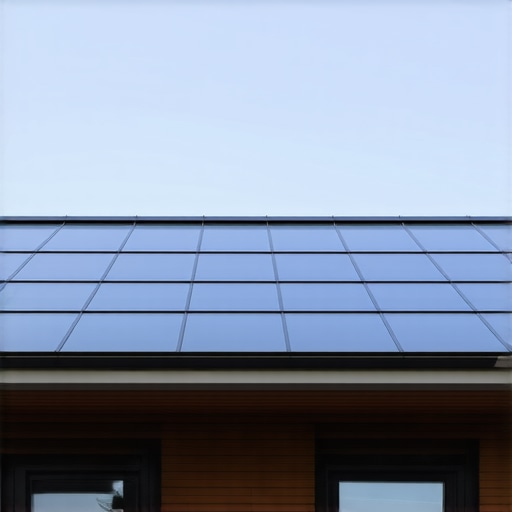
The Forensic Reality of the Desert Roof
I was standing on a roof in the high desert of Nevada last July, and it felt like I was walking on a tray of peanut brittle. The thermometer in my pocket read 114°F, but the surface temperature of those standard architectural shingles was pushing 170°F. Every step I took resulted in a sickening crunch. The granules weren’t just shedding; they were being baked off the mat as the asphalt binder literally boiled away over years of UV bombardment. I knew exactly what I’d find underneath: a plywood deck so charred and brittle from the attic heat that it looked like it had been through a house fire. This wasn’t a failure of the installer; it was a failure of physics. Most roofing companies are still selling you technology from the 1990s for a climate that has become a kiln.
When we talk about 2026 cool roofing materials, we aren’t just talking about a different color of shingle. We are talking about a fundamental shift in how a structure manages the invisible spectrum of light. Most local roofers will try to upsell you on a ‘designer’ shingle, but they won’t mention the Solar Reflectance Index (SRI). They’re focused on the square count and getting the crew to the next job. But if you want a roof that doesn’t turn your attic into a convection oven, you have to understand the mechanism of thermal emittance.
“The Solar Reflectance Index (SRI) is a measure of the constructed surface’s ability to stay cool in the sun by reflecting solar radiation and emitting thermal radiation.” – Cool Roof Rating Council (CRRC)
1. Mitigation of Thermal Shock and Material Fatigue
In the Southwest, the biggest silent killer of a roof isn’t a storm; it’s the 40-degree temperature swing between 3:00 PM and 3:00 AM. This is called thermal shock. Standard materials expand and contract violently. Over time, the fasteners—those galvanized nails—begin to back out. We call these ‘shiners’ when they miss the rafter, but even properly seated nails can ‘bridge’ heat. 2026 cool materials use advanced polymer-modified binders that remain flexible. Instead of the asphalt becoming brittle and cracking—a process we call ‘alligatoring’—these materials use infrared-reflective granules to keep the membrane temperature closer to the ambient air temperature. This reduces the mechanical stress on every valley and cricket on your roof.
2. The Delta T Advantage for HVAC Longevity
Your air conditioner isn’t just fighting the air inside your house; it’s fighting the 140°F stagnant air trapped in your attic. When roofing companies install high-albedo materials, the ‘Delta T’ (the difference in temperature) between your living space and the attic drops significantly. This isn’t just about the electric bill. It’s about the compressor. When your AC doesn’t have to run 18 hours a day to overcome the radiant heat bleeding through the ceiling joists, you extend the life of your mechanical systems by years. It turns your roof from a heat-sink into a heat-shield.
3. Chemical Stability and the End of ‘Oiling Off’
Have you ever noticed a rainbow sheen in your gutters after a rain? That’s the ‘light ends’ of the asphalt—the oils—washing away. This ‘oiling off’ is what causes shingles to shrink and curl. The 2026 generation of cool materials, particularly those using Kynar-based coatings for metal or specialized cool-tile glazes, are chemically inert to UV radiation. They don’t rely on volatile organic compounds that evaporate under the sun. This means the square of roofing you buy today will have the same physical mass ten years from now, rather than thinning out and losing its waterproofing integrity.
“A roof is not merely a lid to keep out the rain; it is the primary thermal valve of the building envelope.” – Modern Architecture Axiom
4. Enhanced Resistance to UV-Induced Granule Loss
Granules are the armor of a shingle. Once they’re gone, the sun eats the asphalt in months. Traditional granules are just crushed rock with a ceramic coating. The 2026 tech uses ‘cool’ granules that are engineered with a microscopic metallic layer that reflects the near-infrared spectrum. This prevents the bond between the granule and the mat from degrading. If you look at a roof installed by cut-rate local roofers after five years, you’ll see ‘bald spots.’ With high-SRI materials, those granules stay embedded because the mat beneath them isn’t liquefying and releasing its grip.
5. Structural Preservation of the Roof Deck
This is where the forensic side gets ugly. Excessive heat in the attic causes ‘dry rot’ in the plywood decking. It sucks the moisture out of the wood fibers, making them brittle. I’ve seen decks so weak that a roofer could step right through the sheathing during a tear-off. By utilizing 2026 cool materials, you are preserving the structural skeleton of your home. You’re preventing the rafters from warping and the decking from delaminating. It’s the difference between a minor replacement in 30 years and a massive structural overhaul.
The Warranty Trap: What to Watch For
Don’t let roofing companies fool you with a ‘Lifetime Warranty.’ Read the fine print. Most of those warranties are prorated and do not cover ‘thermal movement’ or ‘granule loss due to environmental conditions.’ They are marketing documents, not legal protection. When choosing between roofing companies, ask for the SRI rating of the specific batch. If they can’t give you a number, they are selling you yesterday’s leftovers. You want a contractor who understands the physics of the desert, someone who won’t leave you with a bunch of ‘shiners’ and a leaking valley the first time a monsoon hits. Insist on a system that includes proper ridge ventilation to complement the cool materials; otherwise, you’re only solving half the problem.