
The Squish That Tells a Tale
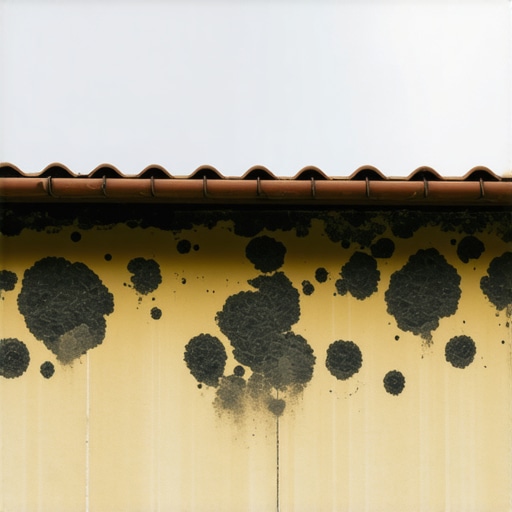
Walking on a roof shouldn’t feel like navigating a marsh, yet that is exactly what I encountered last month during a forensic inspection. The homeowner thought they just had a few loose shingles; in reality, I was standing on a structural disaster waiting to happen. Walking on that roof felt like walking on a sponge. I knew exactly what I’d find underneath before I even pulled my pry bar out. When we finally peeled back a square of asphalt, the OSB decking was so saturated with fungal growth it crumbled like a wet biscuit. This isn’t just a maintenance issue anymore; as we head into 2026, roofing companies are seeing a surge in advanced mold colonization driven by increasing humidity and failing ventilation systems in the Southeast. If you don’t understand the physics of how moisture moves through your attic, you’re essentially living under a giant Petri dish.
The Anatomy of an Infestation: Mechanism Zooming
Mold doesn’t just appear; it is engineered by poor craftsmanship and physics. In our tropical climate, the enemy is vapor pressure. When your attic hits 130°F and the humidity is sitting at 90%, the air holds a massive amount of water. If your local roofers didn’t calculate the Net Free Venting Area (NFVA) correctly, that moisture has nowhere to go. It seeks the coolest surface—usually the underside of your roof deck at night—and undergoes a phase change back into liquid. This isn’t a splash of water; it’s a microscopic soaking. The spores find the glue in your plywood, which is basically a buffet for fungi. Once the hyphae—the root-like structures of the mold—penetrate the wood fibers, the structural integrity of your home begins to evaporate. This process happens silently, hidden behind fiberglass batts and darkness, until the day your foot goes through the deck.
“Attic ventilation is required to provide a means for the escape of moisture that can lead to rot and mold.” – International Residential Code (IRC), Section R806
Sign 1: The ‘Ghosting’ Shingle Shadow
The first sign of the 2026 mold wave isn’t green or black; it’s a subtle change in how your shingles lay. I call it ‘Ghosting.’ When mold takes over the decking, the wood swells unevenly. From the ground, you might notice a slight hump or a shadow that wasn’t there last season. This happens because the moisture is wicking into the edges of the plywood sheets. The edges swell first, creating a teeter-totter effect for the shingles. If you see a repetitive pattern of raised lines every four to eight feet, your roofing is screaming at you. The mold is gorging on the organic material in the deck, causing the wood to expand and pull the nails—what we call ‘shiners’—loose. Once those nails start backing out, you’ve lost your wind uplift rating, and the next storm will peel your roof like an orange.
Sign 2: The Eave-Drip Staining and Clogged Soffits
Look at your drip edge. Many roofing companies slap on a new layer of shingles but ignore the intake. If you see dark, weeping stains coming from the soffit vents or the fascia boards, the mold has already won the attic and is now looking for an exit. This is usually caused by ‘Bypass Air.’ Warm, moist air from your bathroom or kitchen is leaking into the attic through light fixtures or poorly sealed top plates. Instead of being exhausted through the ridge vent, it’s hitting the cold perimeter and dripping down. I’ve seen houses where the insulation was blown so thick it completely choked the soffit vents. No intake means no airflow. Without airflow, the attic becomes a pressurized steam room. You can spend $20,000 on the best roofing materials in the world, but if your local roofers don’t clear those baffles, that roof will rot in six years.
“A roof is only as good as its flashing and its ability to breathe.” – NRCA Manual of Quality Control
Sign 3: The Ammonia-Musty Hybrid Odor
By the time you smell it in the hallway, the situation is forensic. Mold in 2026 isn’t just a ‘basement smell.’ It has a sharp, almost chemical ammonia tang when it starts digesting the resins in modern OSB. If you open your attic hatch and get hit with a wall of hot, sour air, the microbial volatile organic compounds (mVOCs) are at dangerous levels. At this stage, the mold isn’t just on the wood; it’s in the insulation. Cellulose insulation acts like a giant wick, pulling moisture from the air and holding it against the drywall of your ceiling. This creates a secondary mold colony that you can’t see until the brown circles start appearing on your bedroom ceiling. At that point, you’re not just looking at a roofing job; you’re looking at a full-scale remediation project that involves tearing out every square of contaminated material.
The Forensic Fix: Beyond the Shingle
Don’t let a ‘trunk slammer’ tell you that more shingles will fix a mold problem. A new roof on top of moldy plywood is like putting a clean shirt on a sweaty body. The surgery requires a total tear-off. We have to strip it to the rafters, treat the wood with an antimicrobial encapsulate, and then redesign the ventilation. This means calculating the intake from the soffits to match the exhaust at the ridge. It means installing a ‘cricket’ behind wide chimneys to prevent water from pooling and seeping into the structure. It means using stainless nails that won’t succumb to galvanic corrosion in our salt-heavy air. Roofing is a system of physics, not just a pile of shingles. If your contractor doesn’t talk about dew points and thermal bridging, find one who does. The cost of waiting is the difference between a simple replacement and a structural collapse.