
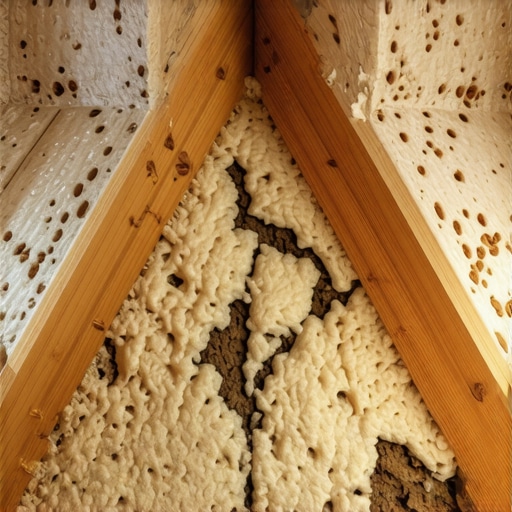
The Anatomy of a Failing Roof: Why 2026 is the Breaking Point
I’ve spent thirty years on a ladder, and if there is one thing I’ve learned, it’s that water is the most patient predator on earth. It doesn’t need a hole the size of a fist to ruin your home; it just needs a microscopic path and a little bit of physics. When I stepped onto a ranch-style home last week, the shingles looked decent from the curb. But the moment my boots hit the deck, it felt like walking on a sponge. I didn’t even need to see the ceiling inside to know the OSB was rotting. I knew exactly what I’d find underneath because I’ve seen this movie a thousand times. Many roofing companies are slapping on ’30-year’ shingles that won’t last ten because they ignore the attic’s ecosystem.
As we head toward 2026, we are seeing the fallout from the ‘boom-time’ installations of a few years ago—roofs installed in a hurry by local roofers who didn’t understand thermal bridging or vapor drive. If your roof was installed between 2018 and 2022, your attic is likely a ticking time bomb. Let’s look at the three forensic signs that your roof is already failing from the inside out.
1. The ‘Shiner’ and the Ghost of Condensation
In the trade, we call them shiners. These are nails that the installer missed the rafter with. They stick through the plywood into the attic space, their silver tips gleaming in the dark. But in 2026, those shiners are more than just bad aim; they are thermal bridges. When the temperature drops in the North, that metal nail becomes a popsicle. Warm, moist air from your bathroom or kitchen—thanks to a poorly sealed attic bypass—hits that cold nail and turns into frost. When the sun hits the roof the next morning, that frost melts and drips onto your insulation.
You might think you have a leak in the shingles, but you actually have a ventilation disaster. This ‘ghost leak’ creates a cycle of wet-and-dry that destroys the R-value of your fiberglass batts and starts the slow rot of your roof deck. If you see rusted nail tips in your attic, your local roofers didn’t just miss a board; they failed to seal your home’s envelope.
“A roof is only as good as its flashing.” – Old Roofer’s Adage
2. Capillary Action and the ‘Sodden Valley’
Water doesn’t just run downhill. Through a process called capillary action, water can actually travel upward between two tight surfaces, like the overlap of a shingle. Most roofing companies think a valley is just a place to dump water, but it’s actually a high-pressure hydraulic zone. If the valley isn’t lined with a heavy-duty ice and water shield and the shingles aren’t clipped back properly, water gets pulled sideways under the ‘headlap.’
Look at the plywood in the valleys from inside your attic. If you see dark staining or the wood feels soft to a screwdriver poke, your valley is ‘bleeding.’ This usually happens because the installer didn’t use a cricket or failed to maintain the proper offset. By 2026, the cheap organic felts used by ‘trunk slammers’ will have turned to pulp, leaving your home’s structural corners vulnerable to every rainstorm. The heat of a 140°F attic speeds up this degradation, baking the life out of the asphalt until it’s as brittle as a cracker.
3. The Delaminated Deck and Thermal Shock
The third sign is the most dangerous because it’s often invisible until it’s too late: delamination. Asphalt shingles act as a heat sink. In the Southwest or even during blistering northern summers, the roof deck goes through thermal expansion and contraction every day. If the roofing is installed without a proper 1/8-inch gap between the plywood sheets, the boards have nowhere to go but up. They buckle, creating ‘ridges’ in your shingles that catch the wind like a sail.
Once those shingles are lifted, wind-driven rain is forced underneath. Forensic investigation often shows that the ‘leak’ isn’t a hole at all, but a failure of the material to stay flat against the deck.
“The primary purpose of a roof is to shed water, but its secondary purpose is to manage the energy of the building.” – NRCA Technical Manual
If your attic smells like a damp basement or if you see white ‘efflorescence’ on the underside of the wood, you are looking at a system failure. You don’t need a patch; you need a surgeon who understands how to balance intake and exhaust ventilation to prevent the ‘pressure cooker’ effect that kills modern roofs.
The Cost of Waiting: Surgery vs. Band-Aids
I’ve seen homeowners try to fix these issues with a tube of caulk and a prayer. That’s a Band-Aid on a gunshot wound. By 2026, the cost of OSB and labor will only rise. If you catch the ‘shiners’ or the valley rot now, you might save the square—the 100 square feet of roofing—before it spreads to the rest of the house. Don’t trust a guy who just gives you a price over the phone. You need a veteran who is going to get into that hot, cramped attic and look for the physics of failure. Your roof is a shield, but if the back of that shield is rotting, the battle is already lost.