
The Anatomy of a Slow Motion Disaster
You don’t need a hurricane to destroy a roof; you just need a handful of maple seeds and a little bit of physics. Most homeowners think of gutters as an accessory, like shutters or a mailbox. To me, a forensic roofer with twenty-five years of looking at rotted sub-fascia, gutters are the primary defense against the total structural collapse of your eave system. When local roofers talk about ‘gutter maintenance,’ they aren’t just trying to upsell you a cleaning service. They are trying to prevent water from defying gravity. My old foreman used to say, ‘Water is patient. It will wait for you to make a mistake.’ And a clogged gutter is the biggest mistake you can offer.
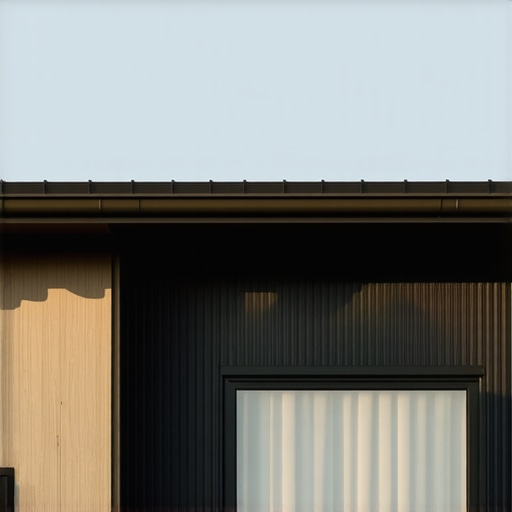
When debris sits in your troughs for a season, it doesn’t just block flow; it creates a biological sponge. This mass of decaying organic matter holds moisture against the metal or plastic, but more importantly, it raises the water level until it reaches the edge of your roof deck. This is where the physics of failure begins. [IMAGE_PLACEHOLDER]
1. The ‘Tiger Stripe’ and the Physics of Capillary Action
The first sign of a looming 2026 gutter crisis isn’t a waterfall over the front; it’s the subtle dark streaks on the face of the gutter itself, often called ‘tiger striping.’ But if you look behind that gutter, you’ll find the real crime scene. When water cannot exit through the downspout, it seeks the lowest point of least resistance. Often, that is the gap between the gutter and the fascia board. Here, a process called capillary action takes over. Because water molecules are cohesive, they can actually ‘climb’ upwards or sideways through tight spaces. If your roofing companies didn’t install a proper drip edge or if that drip edge isn’t tucked correctly, the water wicks upward into the plywood roof deck.
“A roof is only as good as its flashing, and the gutter is the final destination for every drop that hits a square of shingles.” – Old Roofer’s Adage
I have stood on countless roofs where the shingles looked perfect from the ground, but the moment I stepped near the eave, my boot sank three inches. That’s because the water had been backing up under the starter shingle for years. The plywood becomes the texture of wet cardboard—what we in the trade call ‘oatmeal.’ You aren’t just looking at a gutter cleaning; you are looking at replacing the bottom two feet of your roof deck around the entire perimeter of the house.
2. Thermal Bridging and the 2026 ‘Ice Dagger’ Effect
In colder climates, a clogged gutter in late 2025 becomes a ticking time bomb for 2026. When leaves and silt block the downspout, the standing water freezes. This ice is heavy—we’re talking eight pounds per gallon—and it starts to pull the gutter spikes or brackets out of the rafter tails. But the real damage is thermal. The ice creates a bridge that allows cold to penetrate deeper into the eave than it would otherwise. This leads to condensation inside your attic. When that warm attic air meets the sub-zero temperature of the ice-clogged gutter, you get moisture on the underside of your sheathing. I’ve seen attics where the rafters were covered in black mold solely because the gutters were full of oak tassels. It’s a chain reaction of neglected maintenance that leads to a $20,000 bill from roofing companies for a full tear-off and mold remediation.
3. The Foundation Splashback and Siding Saturation
The third sign is found on the ground, not the roof. If you see a trench or a line of displaced mulch directly beneath your gutters, you have a flow problem. When gutters overflow, the water hits the ground with enough force to splash back against your siding or brick. This is especially dangerous for houses with wooden siding or EIFS. That constant splash-back saturates the bottom plate of your wall framing. I once investigated a home where the owner complained of a ‘musty smell’ in the living room. We pulled the siding and found that the studs had completely rotted away because the gutters had been overflowing for three straight years. The water wasn’t just hitting the ground; it was bouncing back and feeding a colony of wood-destroying fungi inside the wall cavity.
“The roof shall be designed and constructed to provide a secondary drainage system where the roof perimeter construction would trap water if the primary drains allow buildup.” – International Residential Code (IRC)
The ‘Band-Aid’ vs. The Surgery
Most people think a quick blast with a leaf blower is the ‘fix.’ It’s not. If you have standing water, you likely have a pitch issue caused by the weight of previous clogs. You can clean the gutter, but if it’s sagging, it will just fill up again. You need a pro who understands ‘crickets’ and ‘kick-out flashing’ to ensure that water is diverted away from the house entirely. Don’t fall for the ‘lifetime warranty’ gutter guards that some roofing companies push. Many of those systems just hide the clog, making it impossible to see the rot until your gutters literally fall off the house, taking the fascia board with them. You need a system that allows for inspection and ensures the water is moving at the correct velocity to clear the downspouts. If you ignore the signs in 2026, you won’t be calling local roofers for a cleaning—you’ll be calling them for a structural rescue.
This post really highlights how crucial gutter maintenance is for preventing costly damages down the line. I’ve always thought of gutters as just a quick cleaning task, but after reading this, I realize that proper installation and inspection are vital. I particularly found the section on thermal bridging and the ‘Ice Dagger’ effect eye-opening—it’s an aspect I hadn’t considered, especially here in colder regions where ice build-up can cause serious structural issues. I’ve noticed some subtle tiger striping on my gutters but wasn’t sure if it was a red flag. Now I understand that it signals water backup and potential hidden problems. Has anyone found effective ways to prevent ice build-up in gutters besides regular removal of debris? I’d love to hear about proactive solutions that work in real homes because tackling this early can save thousands of dollars in repairs.