
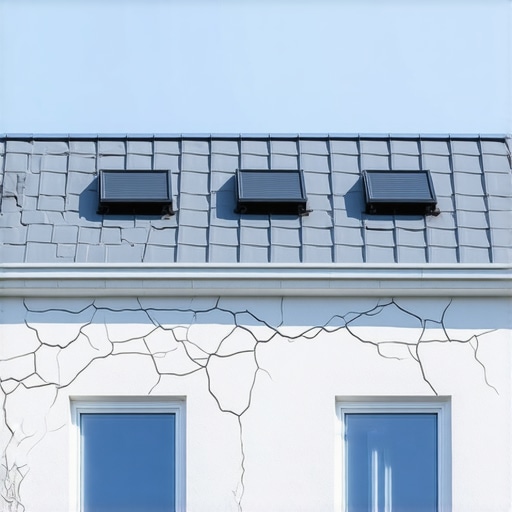
The Ghost in the Attic: A Forensic Look at Modern Vent Failure
You smell it before you see it. That unmistakable scent of damp insulation and moldering 7/16-inch OSB. I’ve spent twenty-five years crawling through crawlspaces and walking ridge lines from Phoenix to El Paso, and 2026 is shaping up to be the year of the ‘Plastic Plague.’ When homeowners call their local roofers complaining about a leak in the guest bathroom, they expect a missing shingle. What we’re finding instead is a forensic crime scene: injection-molded vents that have literally shattered under the relentless 115-degree heat. My old foreman used to say, ‘Water is patient. It will wait for you to make a mistake.’ In 2026, the mistake isn’t just the installation—it’s the physics of the materials we’re being forced to use. Walking on a roof today, you can hear the components groaning. It’s the sound of thermal expansion fighting against a substrate that doesn’t want to move. When you step near a vent and it crunches like a dry autumn leaf, you know the polymer chains have unzipped. This isn’t just a leak; it’s a systemic failure of the roof’s respiratory system.
The Physics of the Snap: Thermal Shock and Expansion
The first reason roofing companies are being flooded with warranty calls involves the brutal reality of thermal shock. In the high-desert climates, a roof deck can swing 70 degrees in a single twelve-hour cycle. Imagine the plastic flange of a roof vent nailed down tight with galvanized ring-shanks. As the sun beats down, that plastic wants to grow. But it’s pinned. It has nowhere to go. The internal stress builds until the material reaches its yield point. We call it ‘oil canning’ when it’s metal, but with the 2026-grade recycled polymers, it doesn’t just bulge—it snaps.
“A roof is only as good as its flashing.” – Old Roofer’s Adage
This cracking usually starts at the nail hole. A ‘shiner’—that’s a nail missed by the installer that hits nothing but air—actually does less damage here than a well-driven nail. The well-driven nail acts as a literal anchor for a fracture line. Once that crack initiates, capillary action takes over. Water doesn’t just fall into the hole; it’s sucked upward and sideways under the shingles, riding the felt paper all the way down to your top plate.
UV Degradation: The Solar ‘Sunburn’ of 2026
The second culprit is the accelerated degradation of UV stabilizers in newer vent models. Many roofing manufacturers pivoted to ‘eco-friendly’ recycled plastics a few years back, and we are now seeing the long-term bill come due. The UV radiation in the Southwest doesn’t just fade colors; it physically reorganizes the molecular structure of the vent. I recently inspected a square of roofing where the vents looked like they had been hit with a hammer. In reality, the solar radiation had simply rendered the plastic so brittle that even the vibration of a passing truck was enough to spider-web the housing. When these vents crack, they create a direct conduit for wind-driven rain. You’re not just looking at a drip; you’re looking at a pressurized injection of water into your attic every time a monsoon rolls through.
“Proper ventilation is a vital component of a durable roof system, as it helps regulate temperature and moisture levels within the attic space.” – NRCA (National Roofing Contractors Association)
Without that structural integrity, the vent becomes a bucket instead of a shield.
The Installer’s Sin: The ‘Shiner’ and the Over-Driven Nail
Finally, we have to talk about the human element. The surge in demand for local roofers has led to a lot of ‘trunk slammers’ entering the market who don’t understand the nuance of a valley or the necessity of a cricket. If an installer uses a pneumatic nail gun set to 120 PSI on a hot afternoon, they aren’t just fastening the vent; they are micro-fracturing the flange before the job is even finished. These ‘stress risers’ are invisible to the naked eye during the final walkthrough. But fast forward to 2026, after two years of vibrating in the wind and baking in the sun, those micro-fractures turn into gaping maws. I’ve seen roofing companies try to smear some ‘mookie’ (roof cement) over these cracks as a ‘Band-Aid’ fix. That’s surgery with a crayon. The only real fix is a full tear-off of the affected area, replacing the brittle unit with a heavy-duty lead or high-grade aluminum alternative that can actually handle the thermal load.
The Surgery: Moving Beyond the Band-Aid
If you find water on your dining room table, don’t let a contractor tell you a little caulk will fix a cracked vent. That’s a lie. The structural integrity of the polymer is gone. You need ‘the surgery.’ This involves carefully removing the surrounding shingles—without breaking the adhesive strips on the healthy ones—and installing a new vent with proper ‘offset’ nailing to allow for future movement. If your roofing professional isn’t talking about expansion room, they aren’t fixing the problem; they’re just resetting the clock on the next failure. Waiting costs double. A $500 vent replacement today prevents a $5,000 mold remediation and drywall repair tomorrow. Don’t wait for the wood to turn to oatmeal.