
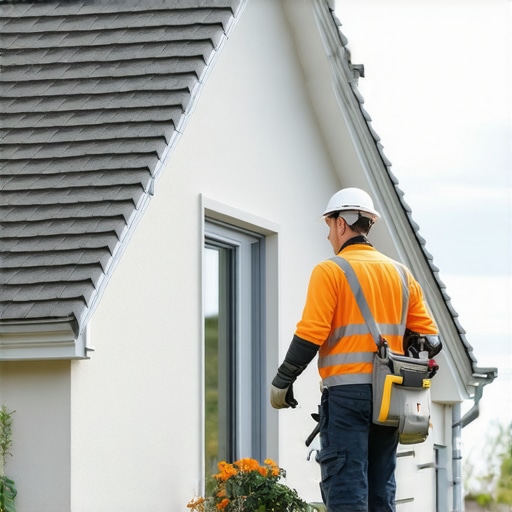
The 2 AM Drip: A Forensic Autopsy of Hail Failure
Walking onto a roof after a high-plains hailstorm feels like walking on a field of broken glass and disappointment. I remember a specific tear-off in a high-altitude suburb where the shingles looked fine from the ground. The homeowner was convinced the local roofers were just fishing for a check. But once I got my boots on the pitch, I knew exactly what I’d find. Every footstep had that sickening, crunching sound—the sound of displaced granules grinding against fractured fiberglass. Underneath the surface, the asphalt matting had been pulverized by 1.5-inch stones, leaving the plywood deck wide open to the next rain. It wasn’t a leak yet, but the ticking clock was deafening.
When we talk about roofing in hail-prone regions, most roofing companies focus on the ‘Class 4’ sticker. But a sticker doesn’t stop a 90-mph chunk of ice from shattering your home’s primary defense. You have to understand the physics of impact. When a hailstone hits an asphalt shingle, the kinetic energy has to go somewhere. In a standard ‘builder-grade’ shingle, that energy snaps the brittle oxidized asphalt and the thin glass-fiber mat. This is the ‘bruise’—a localized failure where the waterproofing is compromised long before the shingle actually falls off the roof.
“Reroofing shall be done in accordance with the manufacturer’s instructions. Each shingle shall be fastened with not less than four nails.” – International Residential Code (IRC), Section R905.2.6
The Physics of the Smash: Why Most Shingles Fail
Think of your roof as a shock absorber. Standard shingles are made of ‘blown’ or oxidized asphalt. To make them, manufacturers blow hot air through the bitumen to harden it. It makes the shingle stiff, but it also makes it brittle. It’s like a cracker. When hail hits a cracker, it shatters. To survive 2026-level storms, you need something that acts more like a rubber ball. This brings us to SBS (Styrene-Butadiene-Styrene) modified bitumen. This is asphalt blended with synthetic rubber. When hail strikes an SBS shingle, the mat stretches and rebounds. The granules stay embedded because the ‘oil’ in the rubberized asphalt holds onto them like glue.
The 3 Best Shingles for Hail Resistance in 2026
1. The Heavyweight Champ: Malarkey Legacy
If you ask any forensic investigator about durability, Malarkey is usually at the top of the list. They don’t just use a sprinkle of SBS; their entire shingle is built on a rubberized platform. The Legacy line is a heavyweight laminate that excels in ‘granule retention.’ Why does that matter? Granules are the UV armor for your roof. Once the sun bakes the bare asphalt, it’s game over. Local roofers love the ‘NailLine’ feature here because it prevents ‘shiners’—those missed nails that cause leaks five years down the road. The ‘mechanism of defense’ here is pure elasticity. The shingle absorbs the impact, preventing the micro-fractures that lead to rot.
2. The Reinforcement King: Owens Corning Duration Storm
Owens Corning took a different approach. Instead of just making the asphalt rubbery, they integrated their ‘SureNail’ technology with a triple layer of reinforcement in the nailing zone. In a hailstorm, wind is often the partner in crime. Hail weakens the shingle, and the wind rips it off at the nail line. The Duration Storm uses a patented fabric strip that acts like a seatbelt for the shingle. Even if the shingle takes a beating from ice, it isn’t going anywhere. For roofing companies, this is a go-to because it survives the ‘pull-through’ force that destroys cheaper products during high-velocity wind events.
3. The Climate Specialist: CertainTeed NorthGate ClimateFlex
CertainTeed’s NorthGate is the ‘luxury tank’ of shingles. It combines the aesthetic of a thick, architectural shingle with the cold-weather flexibility of SBS. This is vital because hail doesn’t always hit on a warm day. If hail hits a cold, brittle shingle, the damage is catastrophic. The ClimateFlex technology allows the shingle to remain pliable down to temperatures where other shingles would crack if you just stepped on them. It’s a thick, heavy product—meaning more ‘square’ weight for your money—which translates to a higher thermal mass and better resistance to the thermal shock that kills roofs in the Southwest and Midwest.
“The roof shall be covered with materials that are compatible with the environment and the slope of the roof deck.” – National Roofing Contractors Association (NRCA) Handbook
The Storm Chaser Trap: Don’t Get Scammed
After a storm, you’ll see trucks with out-of-state plates swarming the neighborhood. They’ll offer a ‘free roof’ or promise to ‘cover your deductible.’ This is where homeowners get burned. These companies aren’t looking at the flashing or the drip edge; they are ‘slamming’ squares as fast as possible. They use cheap ‘starter strips’—or worse, they use three-tab shingles turned sideways as a starter. If your roofer doesn’t install a proper starter strip and a code-compliant ‘cricket’ behind your chimney, it doesn’t matter if you have the most expensive shingle in the world. Water is patient. It will find the ‘shiner’ or the poorly flashed valley and sit there until your rafters turn into mush.
The Forensic Inspection: What to Look For
If you’re checking your own roof, don’t look for holes. Look for ‘halos.’ A halo is a circular pattern of granule loss where the hail hit. Run your hand over it. If it feels soft or like a sponge, the matting underneath is broken. Check your gutters. If they are filled with what looks like coffee grounds, that’s your roof’s armor washing away. You also need to inspect the ‘butt joints.’ If the shingles were installed too tight, thermal expansion will cause them to buckle, making them even more vulnerable to impact. A real pro will look at the ‘lap’ of the shingle to ensure the offset is correct, preventing water from traveling sideways via capillary action into the nail holes.
Final Verdict for 2026
Choosing between roofing companies often comes down to who actually understands the science of the ‘square.’ Don’t just settle for the cheapest bid. Look for a contractor who talks about ‘ventilation ratios’ and ‘ice and water shield’ membranes. A hail-rated shingle is only 50% of the equation; the other 50% is the system—the underlayment, the ventilation, and the craftsmanship of the flashing. If you live in the hail belt, spending the extra 15-20% on an SBS rubberized shingle like the Malarkey Legacy or CertainTeed NorthGate isn’t an upgrade; it’s insurance against the next 2 AM drip.