
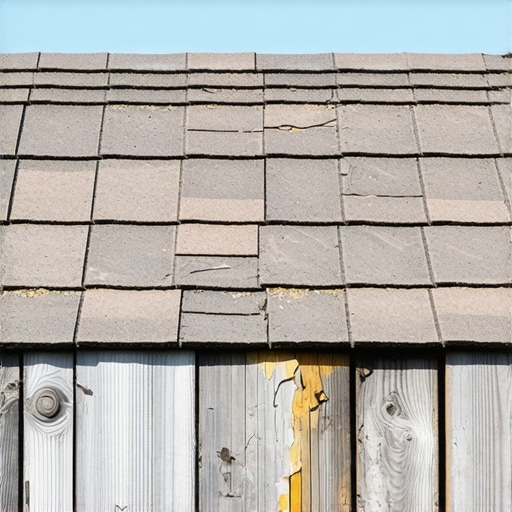
That soft, sickening dip under your boot is a sound every forensic roofer knows. It is the sound of structural surrender. When I walk onto a roof in the damp corridors of the Northeast, I am not looking at the shingles first; I am feeling for the skeleton. Most homeowners think a roof leak means water dripping into a bucket in the kitchen. In reality, the most dangerous leaks never reach your ceiling. They stay trapped in the dark, chewing through your CDX plywood until the wood has the structural integrity of a wet graham cracker. Most local roofers will slap a second layer of shingles over this mess just to win a low-bid contract, but that is how you end up with a collapsed ridge during the first heavy snow of February.
The Forensic Scene: Walking the Sponge
I remember a call-out in a suburb just outside of Boston. The homeowner complained about a ‘slight ripple’ near the chimney. From the ground, it looked like a standard flashing issue. But as soon as I stepped off the ladder, my right foot sank three inches. Walking on that roof felt like walking on a sponge. I knew exactly what I’d find underneath before the first shingle was even popped. When we finally performed the tear-off, the plywood didn’t even require a crowbar; it crumbled into black, fibrous dust. The culprit wasn’t a hole in the roof; it was a decade of attic condensation and a complete lack of proper ventilation that had turned the attic into a slow cooker. This is why you need a forensic approach to roofing, not just a guy with a hammer.
“A roof is only as good as its flashing, but it is only as strong as the deck it sits upon.” – Old Roofer’s Adage
The Physics of Decay: How Plywood Fails
To understand decay, you have to understand capillary action. Water doesn’t just fall; it climbs. If your shingles are lifting—something you can spot if you know how—water gets sucked upward under the courses. Once it hits the plywood, the clock starts. Standard roofing plywood is made of layers of wood veneer glued together. When moisture is introduced, the glue bonds undergo delamination. This isn’t just ‘getting wet’; the wood fibers actually expand and pull apart. In cold climates, this is exacerbated by the freeze-thaw cycle. Water enters the grain, freezes, expands the wood cells, and then thaws, leaving behind a larger void for more water. If you are seeing issues now, you might want to check the 7 hidden costs of roof replacement in 2026 to see how much this structural damage adds to the bill.
Sign 1: The ‘Shadow Wave’ and Shingle Buckling
The first sign of hidden decay is rarely a hole; it’s a shadow. When plywood begins to rot, it loses its ability to hold a flat plane. It starts to ‘dish’ between the rafters. In the low light of early morning or late evening, look at your roof from the curb. If the surface looks wavy or you see a ‘picture-frame’ effect where you can see the outline of every 4×8 sheet of plywood, you have a problem. This often leads to shingle buckling. When the wood expands from moisture, it pushes the nails out—we call these ‘shiners’ or ‘nail pops.’ These nails then lift the shingle above them, creating a perfect entry point for wind-driven rain. You can learn more about how to avoid shingle buckling in 2026 to prevent this cycle from starting.
Sign 2: The Rusty ‘Shiner’ and Attic Condensation
You don’t always have to get on the roof to find rot; sometimes you need to go into the attic with a flashlight. Look at the tips of the nails poking through the underside of the deck. If they are rusted or have white ‘frosting’ (mineral deposits) on them, you have a moisture problem. This is often caused by thermal bridging. Warm, moist air from your bathroom or kitchen leaks into the attic—an ‘attic bypass’—and hits the cold plywood. It condenses, turns into liquid water, and drips onto the rafters. Over time, this leads to microbial bloom (mold) and wood rot. Professional roofing companies will tell you that a roof is a system, and if the ventilation isn’t right, the deck will rot from the inside out. If you see sagging between the rafters, you need to check 4 things to do if attic decking rafters sag immediately.
“Enclosed attics and enclosed rafter spaces… shall have cross ventilation for each separate space to prevent moisture accumulation.” – International Residential Code (IRC) R806.1
Sign 3: The ‘Black Edge’ on the Fascia
The most hidden decay happens at the very edge of the roof, right at the gutters. If your roofer didn’t install a ‘drip edge’ properly—or at all—water will wick back under the shingles and soak the edge of the plywood. This is the Mechanism of Capillary Draw. From the ground, you might notice the fascia boards look dark or the paint is peeling. If you poke that wood with a screwdriver and it’s soft, the decay has likely already spread six to twelve inches up the roof deck. This is why 4 fixes for loose rotted fascia often involve more than just a piece of trim; they involve cutting back the roof itself. If the underlayment was poor, this decay happens even faster. I’ve seen brand new roofs fail in three years because of poor underlayment practices.
The Fix: Surgery vs. The Band-Aid
If you find rot, you cannot ‘seal’ it. You cannot ‘paint’ it. You must perform surgery. This means a full tear-off of the affected area, at minimum. A reputable local roofer should provide a square-foot price for plywood replacement in their quote. If they don’t, they are planning to hide the rot. When replacing the deck, ensure they use H-Clips between the sheets to allow for thermal expansion. Without these, the boards will buckle against each other the first time the sun hits them. Also, insist on a synthetic shingle felt pad instead of old-fashioned organic felt; it provides a much better secondary water barrier against the rot we’ve discussed. Don’t let a ‘trunk slammer’ tell you a ‘Lifetime Warranty’ will cover this—most warranties explicitly exclude damage caused by poor ventilation or pre-existing rot. Read the truth about if a 30-year warranty is actually worth it before you sign that check.
Summary of the Forensic Walkthrough
Identifying hidden decay requires a mix of sensory observation and an understanding of building science. Look for the waves, feel for the soft spots, and smell for the musty scent of damp wood in your attic. If you catch it early, you might only be replacing a few squares of decking. If you wait until your foot goes through the roof, you’re looking at a full structural overhaul. Always vet your roofing companies for their knowledge of ventilation and ice and water shields, especially in cold climates where ice dams are the primary enemy of the plywood deck.