
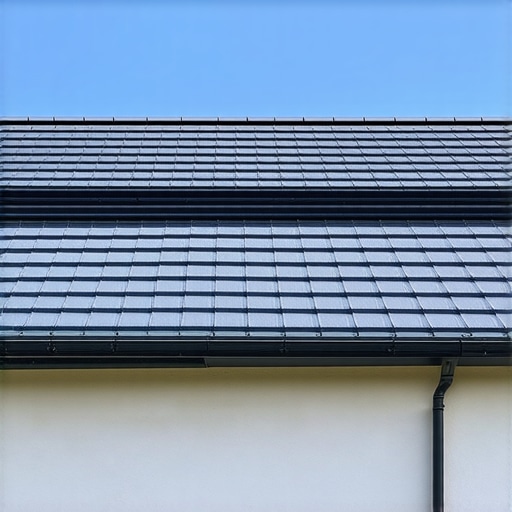
The Great Roofing shell Game: Why You Are Overpaying
I have spent nearly three decades crawling over scorching hot ridge vents and peeling back layers of gross, water-logged felt. If there is one thing I have learned, it is that most homeowners are being sold a bill of goods. You do not always need a brand-new roof replacement that costs as much as a luxury SUV. As we head toward 2026, the economics of the job site are shifting. Material costs for shingles and metal are climbing, and the labor pool is getting thinner than a cheap 15-pound felt paper. This is where roof coatings enter the picture, but before you think this is just a bucket of expensive paint, let me set you straight.
The Wisdom of the Old Guard
My old foreman used to say, ‘Water is patient. It will wait for you to make a mistake.’ He was right. Most people think a leak is a sudden event, like a window breaking. In reality, a leak is the final stage of a years-long battle between your roof and the sun. Especially in our climate, where the UV radiation is relentless, your roof is literally being baked. The oils in the asphalt or the plasticizers in your single-ply membrane are evaporating. By the time you see a brown spot on your ceiling, the roof has been failing for five years. Local roofers who actually know their physics will tell you that a coating is about stopping that evaporation before the ‘oatmeal’ phase begins.
“The primary purpose of a roof coating is to provide a sacrificial layer that protects the underlying membrane from the degradation caused by ultraviolet radiation and temperature extremes.” – Roofing Industry Standards Manual
The Physics of the Sun: Why Your Roof is ‘Cooking’
Let’s talk about Thermal Shock. During a typical afternoon, your roof deck can hit 160°F. When a sudden thunderstorm rolls in, that temperature drops to 70°F in minutes. That rapid contraction pulls at every nail, every shiner (those missed nails sticking through the wood), and every seam in your valleys. Over time, the materials lose their elongation—the ability to stretch and snap back. They become brittle. If you walk on a sun-baked roof and it sounds like you are crunching potato chips, you are already in trouble. A high-quality silicone or acrylic coating applied by roofing companies who understand mil thickness acts as a reflective shield. It reflects up to 85% of that solar energy, meaning your roof stays within 10 degrees of the ambient air temperature. No more thermal shock, no more ‘cooking’ the plywood underneath.
The 2026 Economic Pivot
Why am I talking about 2026? Because the supply chain for petroleum-based products—like asphalt shingles—is increasingly volatile. If you wait until your roof is a total loss, you are at the mercy of whatever the current square price is for a full tear-off. A restoration coating in 2026 is going to be the ‘smart money’ move because it is classified as maintenance, not a capital improvement. This means tax advantages for some, but for everyone, it means you aren’t paying for the labor-intensive process of ripping off thousands of pounds of debris and hauling it to a landfill. You are keeping the structural integrity and just reinforcing the skin.
The ‘Trunk Slammer’ Trap: Don’t Get Scammed
Now, here is where my cynical side comes out. You will see local roofers advertising ‘miracle sprays’ for five hundred bucks. Walk away. A real coating job requires forensic-level prep. If a contractor doesn’t spend two days cleaning the substrate, treating the ponding water areas, and reinforcing the seams with fabric, they are just ‘slapping goo over rot.’ You cannot coat a wet roof. You cannot coat a dirty roof. I’ve seen guys spray over bird droppings and loose granules; six months later, the coating peels up like a bad sunburn. You need a moisture scan. You need to know if the insulation underneath is dry. If it’s wet, a coating is like putting a plastic bag over a wet foot—it’s just going to rot faster.
“A roof is only as good as its flashing.” – Old Roofer’s Adage
Silicone vs. Acrylic: Choosing Your Weapon
Not all coatings are created equal. If you have a flat roof with ponding water (those puddles that stay for 48 hours), acrylic is useless. It will re-emulsify and turn back into liquid. You need high-solids silicone. It’s expensive, it’s hard to apply, and it’s slippery as a greased pig, but it is waterproof. If you have a sloped roof and just want UV protection, a high-quality acrylic is fine. But don’t let a salesman tell you there is a one-size-fits-all solution. Every roof has a different pitch and different drainage needs. A cricket might need to be installed to divert water before any coating even touches the surface.
The Myth of the ‘Lifetime’ Warranty
I hate to break it to you, but ‘Lifetime’ is a marketing term, not a technical one. Read the fine print. Most of those warranties are prorated and don’t cover labor. A real coating system installed by reputable roofing companies usually comes with a 10, 15, or 20-year NDL (No Dollar Limit) warranty. That is what you want. It means the manufacturer has inspected the job and trusts the local roofer’s work enough to back it up with their own checkbook. If the contractor can’t get the manufacturer to sign off on the job, that tells you everything you need to know about their skill level.
The Forensic Walkthrough: What to Look For
When you are interviewing local roofers, watch how they walk your roof. Are they looking at the drip edge? Are they checking the flashing around the chimney? If they just stand in the driveway and use a drone, fire them. You need a human being up there feeling for soft spots in the deck. A coating will not fix a structural failure. It will not fix rotten fascia. It is a preventative measure, not a resurrection. The cost savings in 2026 come from catching the roof in its ‘middle age’ and extending that life by another two decades, effectively doubling your ROI on the original installation.