
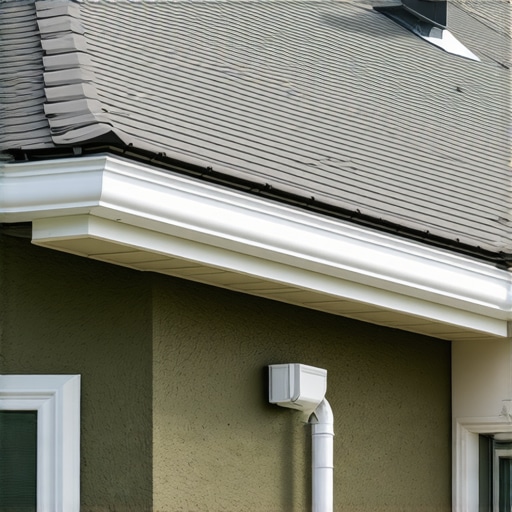
The Anatomy of a Silent Disaster: Why Your Gutters Are Killing Your Roof
I was standing on a roof in a quiet suburban neighborhood last Tuesday, the kind of place where the lawns are manicured and the shingles look fine from the street. But as I shifted my weight near the eave, the deck gave way. It didn’t break; it compressed. It felt like walking on a giant, water-logged sponge. I didn’t even need to pull my pry bar to know what I was looking at. I knew exactly what I’d find underneath: a plywood graveyard. The culprit wasn’t a hole in the roof or a missing shingle. It was the gutters. Specifically, it was the owner’s refusal to acknowledge that their gutter system had become a dam rather than a drain. By the time I peeled back the starter strip, the smell hit me—that unmistakable, cloying scent of wet, fermented wood rot and black mold. This is the reality many homeowners face when they ignore the science of water shedding.
As we head toward 2026, the stakes for your home’s exterior have changed. We aren’t just dealing with a few leaves anymore. We are seeing more aggressive weather patterns, micro-bursts that dump three inches of rain in twenty minutes, and a labor market where local roofers are stretched thin. If you aren’t thinking about professional-grade gutter guards now, you’re basically inviting water to move into your attic by 2026. Water is patient. It doesn’t need a massive opening; it just needs physics and time. When gutters clog, water doesn’t just spill over the front; it uses capillary action to climb up the fascia board and under your shingles, bypassing your drip edge entirely. This is where the forensic failure begins.
The Physics of the ‘Over-Pour’ and Capillary Action
Most homeowners think a clogged gutter just means a messy walkway. They don’t see the hydrostatic pressure building up. When a gutter is packed with grit from asphalt shingles and decaying organic matter, it holds weight it wasn’t designed for. A single square (that’s 100 square feet in trade talk) of roofing can shed gallons of water during a heavy downpour. If that water has nowhere to go, it creates a pool. Through a process called capillary action, the water is drawn upward into small gaps between the roof deck and the fascia. It finds every shiner—those nails that missed the rafter and are just hanging out in the open—and uses them as a highway straight into your soffits.
“A roof is only as good as its flashing and its ability to shed water away from the structure. Once water stops moving, the building starts dying.” – Old Roofer’s Adage
In the trade, we see this constantly. The water sits against the wood, the sun heats the attic to 140°F, and you’ve effectively created a steam room for your roof deck. The plywood delaminates, the glue fails, and suddenly your ‘lifetime’ roof is a structural liability. This is why roofing companies are increasingly insisting on integrated gutter protection systems. It’s not a luxury upgrade anymore; it’s a sacrificial layer designed to keep the primary defense—the roof—dry.
The 2026 Shift: Why Gutter Guards are No Longer Optional
Why am I pointing to 2026? It’s simple: the cost of materials and the complexity of modern roofing systems. By 2026, the building codes in many jurisdictions are expected to tighten around moisture management. We are moving toward a ‘sealed attic’ philosophy in many regions, and if your gutters fail in a sealed system, the rot happens twice as fast because the wood can’t breathe. When local roofers install a new system today, we are looking at the cricket behind the chimney and the valleys where water concentrates, but the gutter is the final exit point. If the exit is blocked, the whole system backs up like a clogged artery.
“Gutters and downspouts shall be installed such that water is discharged a minimum of 5 feet from the foundation or into an approved drainage system.” – International Residential Code (IRC) R305.1
If you’re still using those cheap plastic snap-in guards from the big-box stores, you’re actually making it worse. Those things are ‘debris traps.’ They let small seeds and shingle grit in but don’t let them out. They create a compost pile right against your roofline. Professional guards—specifically stainless steel micromesh—are designed with a specific surface tension that allows water to ‘stick’ to the mesh and pull through into the gutter while the debris slides off the edge. It’s the difference between a surgical mask and a chain-link fence.
The Forensic Breakdown of Material Choice
When you call roofing companies to discuss your options, don’t let them sell you on ‘maintenance-free.’ Nothing on a house is maintenance-free. But you want ‘low-intervention.’ In the cold climates of the North, we worry about ice dams. A clogged gutter is the foundation of a massive ice dam. When the snow melts on the upper roof and hits the frozen slush in your gutters, it has nowhere to go but back up the roof, under the shingles, and into your bedroom ceiling. In the South, we deal with high-volume tropical downpours where a standard 5-inch gutter is often insufficient. By 2026, the industry standard is shifting toward 6-inch K-style gutters paired with high-flow micromesh guards to handle these intense rain events.
Choosing Your Defense: Don’t Get Scammed
I’ve seen too many ‘trunk slammers’ show up after a storm, slap some cheap aluminum covers over dirty gutters, and disappear with a check. If a contractor doesn’t inspect your fascia and your drip edge before installing guards, kick them off the property. You cannot protect a rotten foundation with a shiny new lid. A real pro will check for those shiners I mentioned earlier, ensure the pitch of the gutter is still correct—because gutters sag over time—and make sure the downspouts are sized to handle the increased velocity that guards can sometimes create. As we approach 2026, demand a system that is screwed into the gutter lip, not tucked under the shingles, which can void your roof warranty and create more points for water entry.