
The Ghost of Failures Past: Why 2026 is Your Roof’s Reckoning
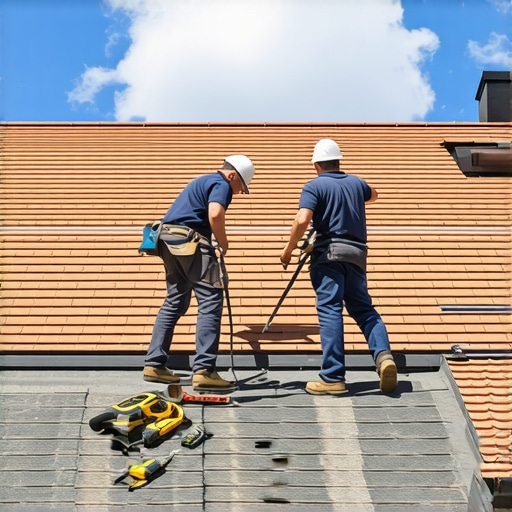
I was standing on a roof last Tuesday in the humid heat of the coast, and it felt like I was walking on a trampoline. It wasn’t a trampoline. It was a 40-square system where the plywood had basically turned into a prehistoric peat bog. The homeowner was baffled. They’d hired a crew three years ago because they were cheap, but those local roofers forgot one thing: water is a patient predator. It doesn’t need a hole the size of a fist; it just needs a shiner—a missed nail—and a little bit of capillary action to start the slow rot. As we look toward 2026, the roofing industry is hitting a bottleneck of aging materials and shifting climate codes. If you think you can just call roofing companies next year and get a fair price on a quality install, you’re dreaming. You need to understand the physics of what’s over your head before the next storm season turns your attic into an indoor pool.
The Anatomy of a Southeast Failure: Wind, Salt, and Pressure
In our region, the enemy isn’t just rain; it’s the atmospheric pressure that forces water uphill. When a tropical gust hits your gables, it creates a pressure differential. That water doesn’t just fall; it crawls. It finds the valley where the flashing was skimped on and hitches a ride under your shingles. I’ve spent twenty-five years performing forensic autopsies on roofs that should have lasted decades but died in five years because the installer didn’t understand secondary water resistance.
“A roof is only as good as its flashing.” – Old Roofer’s Adage
The Material Truth: Asphalt vs. The World
When you start vetting roofing options for 2026, you’re going to get a lot of slick talk about ‘Lifetime Warranties.’ Let me give you the cynical truth: a warranty is often just a piece of paper designed to make you feel better while the manufacturer’s lawyers find a way to blame your ventilation. If you’re in a high-wind zone, your standard architectural shingle is a gamble unless it’s installed with a six-nail pattern and high-profile starter strips. We’re seeing more homeowners move toward standing-seam metal, and for good reason. It’s not just about the look; it’s about the lack of exposed fasteners. Every hole you punch in a roof is a potential failure point. In the 140°F heat of a mid-summer attic, those fasteners expand and contract. Over time, that ‘thermal walk’ backs the nail out, creating a tiny gap. That’s all the wind-driven rain needs.
The 2026 Planning Horizon: Don’t Get Caught in the Surge
Why am I talking about 2026 now? Because the supply chain for high-quality underlayment and specialized roofing components is still volatile. The ‘trunk slammers’ will tell you they can get it done next week with whatever is sitting in the back of their rig. Avoid them. A real pro is already booking out. When you’re interviewing local roofers, ask them about their cricket installation. If they don’t know that a cricket is a small peaked structure behind a chimney to divert water, show them the door. You’re paying for the details, not just the shingles.
“The building official shall require that the roof-covering system be designed to resist the wind loads.” – International Residential Code (IRC) R905.1
The Forensic Checklist for Your Next Replacement
Before you sign a contract, look for these non-negotiables: 1. Stainless steel nails if you’re within ten miles of the salt air. Galvanized nails will turn to dust in a decade. 2. Ice and Water shield in all valleys and around all penetrations, regardless of what the minimum code says. 3. A detailed plan for attic ventilation. If your roofer isn’t looking at your soffits, they are setting your new roof up for a ‘fried shingle’ death. A hot attic cooks the asphalt from the inside out, making it brittle and prone to granule loss long before its time. If you want to avoid being the next horror story I tell, start your research now. A roof isn’t a purchase; it’s a structural defense system. Treat it like one.