
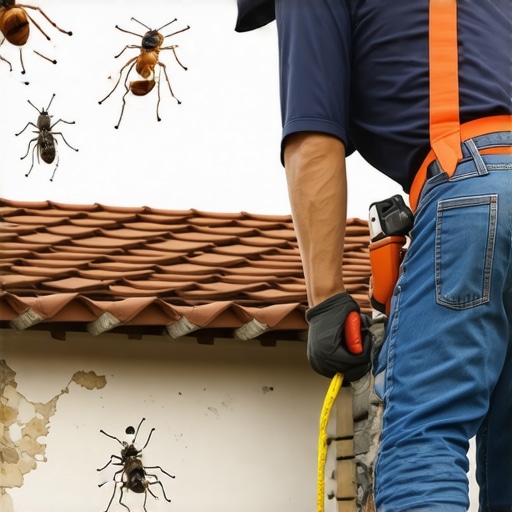
The Scent of a Failed System
The first thing you notice when you climb onto a roof that was installed by one of these modern-day ‘roof pests’ isn’t the shingles; it’s the smell. It’s that heavy, cloying scent of wet OSB and decomposing felt that’s been trapped in a 140°F attic oven. For twenty-five years, I’ve been the guy homeowners call when the ‘deal of a lifetime’ starts dripping onto their breakfast table. In 2026, the local roofers landscape is crawling with a new breed of pest—the fly-by-night outfit that uses fancy drone footage to distract you from the fact that they don’t know a valley from a cricket. I’ve seen more shiners—nails that missed the rafter entirely—in the last six months than I saw in the entire 90s. These nails act like little lightning rods for condensation; during a cold snap, they frost over, and when the sun hits the roof, they ‘rain’ inside your attic. My old foreman used to say, ‘Water is patient. It will wait for you to make a mistake.’ And boy, is he right. Water doesn’t need a hole; it just needs a lapse in judgment and a little bit of capillary action to suck itself uphill under a poorly lapped shingle.
The Physics of the ‘Cheap’ Install
Most folks think a roof is just the colorful stuff on top. In reality, that’s just the skin. The guts—the underlayment, the flashing, and the ventilation—are where the battle is won or lost. When I see local roofers skimping on ice and water shield in a climate where the mercury dips, I know exactly what’s going to happen. Without that thick, self-sealing membrane at the eaves, ice dams will form, forcing water backward under the shingles. This isn’t just a leak; it’s a structural assault. The water sits there, saturating the roof deck until the plywood turns into something resembling wet oatmeal. I recently inspected a job in a damp northern suburb where the contractor had ‘saved’ the homeowner two grand by skipping the drip edge. Three years later, the fascia boards were so rotten you could stick a screwdriver through them with one finger. That’s the true cost of a roof pest. They leave you with a ticking time bomb while they change their company name and move to the next county.
“A roof is only as good as its flashing.” – Old Roofer’s Adage
The Material Truth: Asphalt vs. Reality
We’re seeing a lot of marketing fluff about ‘lifetime’ warranties these days. Let me tell you something from the trenches: a warranty is only as good as the guy who installed the product. If a local roofer installs a 50-year shingle but uses galvanized nails in a salt-air environment, those nails are going to experience galvanic corrosion long before the shingle even starts to fade. The 2026 market is flooded with synthetic underlayments that promise the world, but if they aren’t integrated correctly with the step flashing around a chimney, they’re useless. Water will find the path of least resistance, often traveling ten feet sideways along a horizontal lap before it finally finds a gap to drop through. This is what we call ‘Mechanism Zooming’—you have to understand the surface tension of a water droplet. If the shingles aren’t overhanging the drip edge by at least half an inch, surface tension will pull that water right back against the wood. It’s basic physics, yet it’s the first thing these new ‘experts’ get wrong.
The Anatomy of a Scam
How do you spot these roofing companies before they wreck your biggest investment? First, look at their valleys. A pro knows how to weave a valley or install a clean open-metal valley that allows debris to wash away. A pest will just ‘California cut’ it because it’s faster, leaving a lip that catches needles and leaves, eventually creating a dam. Second, check the cricket. If you have a chimney wider than 30 inches and there isn’t a small peaked structure behind it to divert water, your roofer didn’t follow the International Residential Code. That area will collect snow, ice, and leaves, eventually eating through the flashing through sheer volume of moisture. According to the National Roofing Contractors Association (NRCA):
“Proper attic ventilation and insulation are essential components of a roof system’s performance and should not be overlooked during the replacement process.” – NRCA Manual
The 2026 Red Flags
If a company shows up and doesn’t ask to see your attic, walk away. You cannot prescribe a new roof without looking at the underside of the deck. I’ve walked into attics where the R-value of the insulation was so low the heat from the house was literally melting the snow on the roof, causing massive ice dams. A real roofer fixes the thermal bridging, not just the shingles. They look for daylight through the ridge vents. They check if the bathroom fans are venting directly into the attic—a classic move that rots a roof from the inside out by pumping gallons of moist air into the rafters. These ‘pests’ will tell you that a few extra vents will solve everything, but if the intake at the soffits is blocked by insulation, those ridge vents are just going to pull air (and rain) backward into the attic. It’s a vacuum effect that ruins your plywood in a single season. Don’t let a slick salesperson talk you into a ‘square’ price that sounds too good to be true. If they aren’t talking about flashing, ventilation, and deck integrity, they aren’t a roofer; they’re a shingle-installer, and there is a massive difference between the two.
Reading this post really highlights how critical proper installation and attention to detail are in roofing. I had a situation a few years ago where a cheap job resulted in ice dams every winter, leading to ceiling leaks. What struck me most was the importance of attic inspections and proper ventilation, which many homeowners overlook until it’s too late. I’ve also noticed that some roofing companies push cost-cutting options without explaining how those decisions can affect the lifespan of the roof. It makes me wonder, how many other homeowners are unaware of these subtle, but crucial, details like the importance of step flashing or the right use of water shields?
From your experience, what’s the biggest warning sign to look out for during an initial inspection that indicates a roof isn’t up to standard? Personally, I think demanding to see the attic or the flashing installation can save a lot of headaches down the line. Would love to hear other tips on how to spot quality work before the job begins.
This post really underscores how essential it is to pay attention to the details when it comes to roofing—that smell of decomposing felt and wet OSB is such a clear warning sign of underlying issues. I’ve seen cases where shiners, like you mentioned, act as tiny rainmakers, and it’s frightening how many homeowners overlook these basic signs of poor installation. The point about water being patient really hits home because often, the damage shows up years later as rot or ice dams.
From my experience, asking to see the attic is more important than most realize. I’ve walked into attics with minimal insulation and poor ventilation, which create perfect conditions for these hidden problems to develop. Do you recommend any specific questions homeowners should ask during the initial consultation to uncover these issues? I’d also be interested in hearing what other red flags have caught your eye during inspections that could save homeowners from costly repairs down the line.