
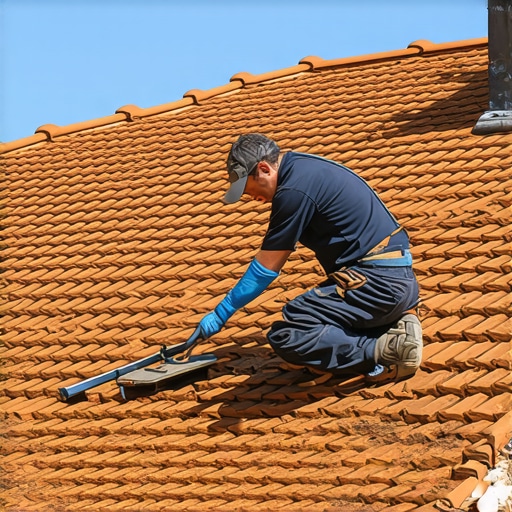
The Bio-Film Invasion: Why Your Roof Looks Like a Swamp
You step out to the driveway, look up at your house, and there they are. Black, oily-looking streaks running down the north side of your roof like mascara on a rainy night. Most homeowners think it is dirt or soot from the nearby highway. It is not. You are looking at Gloeocapsa magma—a hardy, photosynthetic bacteria that has turned your expensive asphalt shingles into an all-you-can-eat buffet. As a veteran who has spent three decades crawling across pitches in the humid Southeast, I have seen these stains shave years off a roof’s life. It is not just an aesthetic nightmare; it is a slow-motion demolition of your home’s curb appeal and structural integrity.
My old foreman used to say, ‘Water is patient. It will wait for you to make a mistake.’ And he was right. But in the case of algae, water isn’t just the enemy; it is the transport system. In places like Houston or Florida, where the air is thick enough to drink, these spores travel on the wind and land on your roof. Once they find a damp spot, they dig in. They do not eat the asphalt; they eat the limestone filler used to give the shingles weight. As they consume the stone, the granules loosen. Once the granules go, the UV rays cook the underlying bitumen, and suddenly you are looking at a ten-year replacement cycle for a thirty-year product.
“Roofing systems must be designed to shed water and minimize the accumulation of moisture within the assembly, as moisture is the primary catalyst for biological growth and material degradation.” – International Building Code (IBC) Section 1503
1. The Copper Ion Shield: Installing Zinc or Copper Strips
If you want to stop the black streaks without climbing a ladder every six months, you need to understand the chemistry of heavy metals. When rain hits a strip of zinc or copper, it creates a metallic salt solution. As this solution washes down the roof, it acts as a permanent herbicide. It kills the spores before they can ever establish a colony. I always tell clients to look at old houses with copper chimney flashing. Notice how the shingles directly below the chimney are perfectly clean while the rest of the roof is filthy? That is the ‘halo effect’ of metal ions. Local roofers who know their trade will recommend installing these strips at the ridge. If you do not have proper ridge vent sealing, you are missing a prime opportunity to integrate these strips during a repair or replacement. A simple six-inch strip of copper tucked under the ridge cap can protect the entire square (that is 100 square feet in roofer-speak) for decades.
2. The Chemical Wash: Professional Low-Pressure Treatment
Never, under any circumstances, let a ‘trunk slammer’ contractor bring a power washer onto your roof. I have seen guys blast the granules right off the mat, effectively aging the roof fifteen years in fifteen minutes. The only way to handle existing stains is a soft-wash system using a sodium hypochlorite solution mixed with a surfactant. This mixture stays on the shingle long enough to penetrate the cellular wall of the algae and kill the root system. However, this is a temporary fix. Without follow-up prevention, the spores will return. You should also consider ways to stop moss from returning, as moss and algae often share the same damp environment. If you see green clumps starting to form in the valley of your roof, the algae has already paved the way for more destructive plant life.
3. The Material Truth: Switching to Algae-Resistant (AR) Shingles
If you are looking at a full replacement, do not settle for the cheapest bundle at the big-box store. Modern roofing technology has given us Algae-Resistant (AR) shingles. These are not just standard shingles with a coating; they have copper-fortified granules baked into the mix. The manufacturers recommend a specific ratio of these granules to ensure the ion release lasts for at least 10 to 15 years. When you compare 2026 warranties, you will notice that the ‘algae warranty’ is often separate from the ‘manufacturer defect’ warranty. Read the fine print. Most of these warranties only cover ‘noticeable’ staining, which is a subjective term that adjusters love to argue about.
“The presence of cyanobacteria on asphalt shingles is a symptom of prolonged moisture retention, often exacerbated by inadequate attic ventilation or excessive shading.” – National Roofing Contractors Association (NRCA)
4. Environmental Management: The Tree Canopy Audit
Algae is photosynthetic—it needs light, but it also needs to stay cool and moist. A giant oak tree overhanging your roof provides the perfect micro-climate. It drops organic debris that traps moisture and creates shade that prevents the sun from drying the shingles after a morning dew. I have investigated countless ‘leaks’ that were actually just rotted decks caused by piles of wet leaves in a valley. Trimming your trees back at least 10 feet from the roof line allows for better airflow and increases the UV exposure that naturally keeps algae in check. While you are at it, check your gutters; if they are clogged, the moisture wicks up the fascia board and keeps the bottom two courses of shingles perpetually damp.
5. The Ventilation Factor: Drying the Shingle from Both Sides
Most people think attic ventilation is just about cooling the house. It is actually about keeping the roof deck dry. If your attic is a sauna, that heat transfers through the plywood and keeps the shingles warm and damp, even at night. This ‘thermal mass’ effect accelerates algae growth. If your attic fan is failing, you are essentially incubating a petri dish on your roof. Proper airflow through soffit vents and ridge vents ensures that the shingles cool down quickly after sunset, reducing the time that dew can sit on the surface and feed the bacteria. A dry roof is a clean roof.
The Trap of the Lifetime Warranty
Be skeptical when roofing companies pitch you a ‘lifetime’ solution for stains. In the humid Southeast, nothing is permanent. The ‘Lifetime’ moniker usually refers to the structural integrity of the shingle, not the color. I have seen homeowners get burned because they thought their warranty covered cleaning costs. It never does. Your best defense is a proactive approach: metal strips, proper ventilation, and regular inspections to catch a shiner or a lifting shingle before it becomes a major problem. If you ignore the stains, you are essentially letting the environment eat your investment. Stop the algae early, or you will be calling local roofers for a full tear-off long before you planned to.