
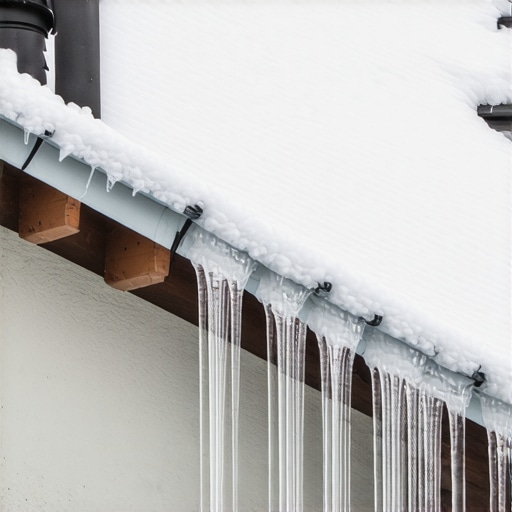
The Anatomy of a Winter Disaster: Why Your Roof is Failing
Walking on that roof in late February felt like walking on a waterlogged sponge. I knew exactly what I’d find underneath before the first shingle was even popped. The homeowner was complaining about a ‘minor drip’ in the guest bedroom, but the reality was a forensic nightmare. Beneath the surface, the OSB had the consistency of wet cardboard, and the fiberglass batts were matted down with a black, fuzzy mold that smelled like a basement left for dead. This wasn’t a product failure; it was a physics failure. Most local roofers will sell you a new layer of shingles and call it a day, but they’re ignoring the thermodynamic war happening between your heated living room and the freezing air outside.
Ice dams aren’t just ‘ice on the roof.’ They are the byproduct of a systemic collapse in the building envelope. When heat escapes your attic—a phenomenon we call an attic bypass—it warms the roof deck. That heat melts the bottom layer of snow sitting on your shingles. That meltwater travels down the slope until it hits the eave, which is overhanging the house and significantly colder. It refreezes, forms a ridge of ice, and then the real damage begins. This is where capillary action takes over. Water isn’t just sitting there; it’s being pulled upward under the shingles by hydrostatic pressure. If your roofing companies didn’t install the right defense, that water is headed straight for your drywall.
“The primary purpose of a roof is to shed water; however, when ice dams occur, the roof is transformed into a reservoir.” – Forensic Engineering Quarterly
1. Stop the Attic Bypass: The Stealth Heat Leaks
If you want to stop ice dams by 2026, you have to stop thinking about the shingles and start thinking about your ceiling. Most local roofers focus on the ‘square’—the 100 square feet of material—but they ignore the ‘shiner’ or the unsealed light fixture. An attic bypass is any hole that allows warm, moist air to migrate into the attic. Think about your recessed ‘can’ lights, the plumbing stack, or the chimney chase. These are thermal chimneys. I’ve seen attics where the heat leakage was so intense it was 40 degrees warmer than the outside air. You need to air-seal these gaps with fire-rated foam or caulk. If you don’t stop the heat at the source, your roofing is just a band-aid on a gunshot wound.
2. High-Performance Insulation and the R-Value Myth
R-Value is a measurement of thermal resistance, but it only works if the insulation is installed correctly. In many older homes, the insulation is blown in right up against the underside of the roof deck, choking off the airflow. This creates a thermal bridge. You want a ‘cold roof’—meaning the temperature of the roof deck should match the outside air as closely as possible. If your insulation is thin or uneven, the heat will create ‘hot spots’ on the roof, leading to uneven melting and aggressive damming. When we talk about roofing in 2026, we are talking about a system that includes at least R-60 in cold climates to keep that heat where it belongs.
3. The Intake/Exhaust Balance: The Breath of the Building
Ventilation is the most misunderstood part of the trade. I see it all the time: a contractor installs a high-end ridge vent but forgets the soffit intake. Without intake air, the ridge vent is useless—it’s like trying to drink through a straw with your finger over the bottom. You need a balanced system that pulls cold air in through the eaves and pushes warm air out through the peak. If your local roofers aren’t checking your baffles—those plastic trays that keep insulation from clogging your vents—they aren’t doing their job. A stagnant attic is a breeding ground for ice dams and rot. If that air isn’t moving, the heat builds up, the snow melts, and your valley becomes a lake.
“Inadequate ventilation and insulation are the two most common causes of premature roof failure in northern climates.” – National Roofing Contractors Association (NRCA)
4. Ice and Water Shield: The Last Line of Defense
Let’s talk about ‘The Surgery.’ If you’ve already got damage, you can’t just throw more asphalt at it. You need a high-temperature, self-adhering underlayment—commonly known as Ice and Water Shield. In heavy snow zones, the building code usually requires this to extend at least 24 inches inside the interior wall line. I prefer to go higher. If you have a low-slope roof or a complex cricket, you should be running that membrane even further. This material seals around every nail that passes through it, creating a waterproof gasket. If a ‘trunk slammer’ tells you that standard felt paper is enough, show them the door. Felt paper will saturate and tear; a true membrane will hold back a pond of water while you wait for the spring thaw.
5. The Gutter Trap and Thermal Shock
Gutters don’t cause ice dams, but they sure do make them worse. If your gutters are full of debris, they hold water that freezes into a solid block of ice. This adds immense weight to your fascia boards, often causing them to pull away and create even more gaps for water to enter. Furthermore, the constant freezing and thawing cycle causes thermal shock to your shingles. The granules—those little rocks on top of the asphalt—get scrubbed off by the movement of the ice, leaving the underlying bitumen exposed to UV rays. Once those granules are gone, your shingles are toast. You need to ensure your gutters are pitched correctly and cleaned every single autumn, or you’re just building an ice shelf for the winter.
The Forensic Truth: Why Your Warranty is Likely Useless
Most roofing companies will brag about a ‘Lifetime Warranty.’ Read the fine print. Those warranties almost never cover damage caused by ice damming because ice damming is considered a ‘maintenance’ or ‘ventilation’ issue. It’s a loophole big enough to drive a shingle truck through. This is why the forensic approach is the only one that matters. You aren’t just buying shingles; you’re buying a managed thermal system. If you ignore the physics of your attic, you’ll be calling another crew in five years to replace the same rotten plywood. Stop looking for the cheapest bid and start looking for the contractor who brings a thermal camera to the estimate. That’s the person who understands why your roof is actually leaking. Waiting until the water is dripping onto your dining table is the most expensive mistake you can make. The cost of ‘The Surgery’—stripping the eaves, air sealing, and re-insulating—is a fraction of what you’ll pay for mold remediation and structural repairs later.