
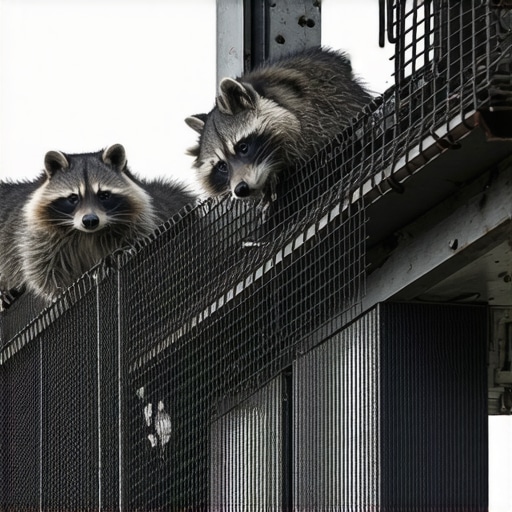
The 3:00 AM Scratch: A Forensic Look at Roof Failure
You’re lying in bed, the house is quiet, and then you hear it—the sound of something heavy dragging itself across your ceiling. It isn’t a mouse. It isn’t even a squirrel. It’s the sound of twenty pounds of muscle and teeth deciding that your attic is the best place to wait out the winter. As a roofing veteran with over two decades on the ladder, I can tell you that by the time you hear that scratching, the damage isn’t just starting; it’s already catastrophic. I’ve seen local roofers slap a piece of sheet metal over a hole and call it a day, but that’s like putting a Band-Aid on a sucking chest wound. My old foreman used to say, ‘A raccoon doesn’t need a door; it just needs a loose shingle and a reason.’ And in 2026, with urban wildlife getting bolder and more adapted to our building materials, the reasons are multiplying.
When I walk a roof for a forensic inspection, I’m not just looking for missing granules. I’m looking for the physics of the breach. A raccoon doesn’t just ‘get in.’ It uses leverage. It finds a shiner—one of those missed nails that’s poking through the deck—and uses the resulting moisture pocket to soften the wood. Or it finds a weak drip edge where a ‘cheap’ roofing company skipped the T-style flashing to save five cents a foot. Once they get their claws under that leading edge, they have enough torque to peel back a square of shingles like they’re opening a tin of sardines. This isn’t just about pests; it’s about the structural integrity of your home’s first line of defense.
“Roofing assemblies shall be designed and installed in accordance with this code and the applicable manufacturer’s installation instructions.” – International Residential Code (IRC) R903.1
1. The Soffit Stronghold: Beyond Thin Aluminum
Most modern homes use thin-gauge aluminum soffits. To a raccoon, that’s about as secure as a wet paper bag. They find the junction where the soffit meets the roofline—the ‘Eave’—and simply push upward. The aluminum buckles, the staples pop, and they are into your attic bypass in seconds. To stop this, roofing companies need to install blocking. We’re talking 2×4 pressure-treated lumber installed behind the soffit panel at the corners. This creates a hard stop. When the raccoon tries to push, he hits wood instead of air. Without that leverage point, he can’t create the gap needed to slide his body through. I’ve crawled into 140°F attics where the insulation was matted down with ammonia-heavy urine because a contractor didn’t want to spend ten minutes installing a block. Don’t let that be your house.
2. Ridge Vent Reinforcement: The Plastic Trap
Standard plastic ridge vents are a favorite entry point. The mechanism is simple: the raccoon grabs the overhanging lip of the vent and pulls. Most local roofers use 1.75-inch nails to secure these vents. That’s barely enough to bite into the plywood once you factor in the thickness of the vent and the cap shingle. A determined raccoon will rip the entire vent off the peak. For 2026 standards, we’re recommending heavy-duty, metal-reinforced ridge vents or, better yet, individual low-profile ‘static’ vents with internal steel mesh. This mesh is the key. Even if they chew through the plastic outer shell, their teeth hit galvanized steel. They hate it. It’s the difference between a secure vault and a screen door.
3. The ‘Cricket’ and Valley Defense
Water is patient, and so are raccoons. They often congregate in the valleys of your roof, where two slopes meet. This is where debris like leaves and twigs collect, trapping moisture and rotting the wood beneath. A ‘punky’ roof deck is soft. A raccoon can smell that rot through the shingles. They will dig through the asphalt layers into the OSB (Oriented Strand Board) until they’ve made a hole. If your roof has a large chimney, you must have a cricket—a small false roof built behind the chimney to divert water. Without a cricket, water pools, wood softens, and raccoons find a five-star hotel entrance. When I see a chimney without a cricket, I don’t see a roof; I see a ticking time bomb for wildlife intrusion.
4. Drip Edge Integrity and the ‘Gutter Gap’
One of the most common failures I see from ‘trunk slammer’ local roofers is the omission of a proper drip edge. The drip edge is a metal flange that supports the shingles and directs water into the gutter. Without it, the edge of the plywood deck is exposed to ‘wicking’ or capillary action, where water moves sideways and upwards into the wood. This rot starts at the very edge, hidden by the gutter. Raccoons look for this. They grab the gutter, use it as a ladder, and then use their paws to pull the softened wood away from the fascia. By the time you see a leak in your living room, the raccoon has likely been living in your attic for months, shredding your R-value insulation into a nest.
“A roof is only as good as its flashing.” – Old Roofer’s Adage
5. The Perimeter: Tree Pruning and Thermal Imaging
You can have the best roof in the world, but if you have an oak tree limb overhanging the shingles, you’ve given the enemy a bridge. I’ve watched raccoons jump six feet from a branch onto a roof. Once they land, the impact can crack older, brittle shingles in Southwest climates or loosen tiles. You need a ten-foot clearance. Furthermore, reputable roofing companies are now using thermal imaging to detect ‘heat signatures’ leaking from your roof. Raccoons are attracted to heat. If your attic isn’t properly sealed—if you have ‘attic bypasses’ where warm air from your house leaks into the attic—the roof stays warm. Raccoons feel that heat through the snow and target those warm spots. Sealing your air leaks doesn’t just save your energy bill; it takes the target off your back.
The Bottom Line: Don’t Wait for the Scratch
Walking on a roof that has been compromised by animals feels like walking on a sponge. The structural rafters might be fine, but the sheathing is toast. If you ignore the signs, you’re looking at a full tear-off rather than a simple repair. In 2026, the cost of materials isn’t going down. Replacing a few sheets of plywood and a square of shingles today is cheap. Replacing your entire attic insulation and your HVAC ductwork because a raccoon family moved in? That’s the kind of bill that keeps homeowners awake at night. Hire local roofers who understand animal forensics, not just guys who know how to swing a hammer. They should be looking for ‘rub marks’ (dark oils from raccoon fur) and checking the tension on your soffits. If they aren’t checking the perimeter, they aren’t doing their job.