
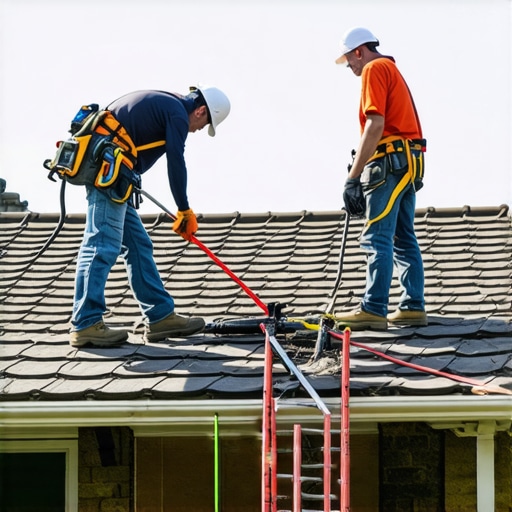
The Price of Gravity and Greed: Navigating 2026 Estimates
Listen, I’ve spent more time on a 10/12 pitch than I have on level ground, and I’ve seen the industry transform from guys with hammers and leather pouches to sales reps in khakis carrying iPads. As we look toward 2026, the cost of human hands on a shingle is skyrocketing. Most roofing companies are padding their bids to cover the rising cost of insurance and the scarcity of actual craftsmen. If you want to keep your hard-earned cash from vanishing into a contractor’s overhead, you have to stop thinking about a roof as a purchase and start seeing it as a forensic assembly. My first foreman, a crusty veteran named Miller, used to pull me aside when I was rushing a valley. He’d say, ‘Son, water is a patient thief; it’ll wait ten years for you to leave a door open.’ That door is usually a lack of oversight on labor-intensive details.
“A roof is only as good as its flashing.” – Old Roofer’s Adage
In our climate, where the freeze-thaw cycle treats asphalt like a stress ball, labor isn’t just about banging nails. It’s about managing the physics of thermal bridging and moisture migration. If you’re looking to save on labor in 2026, you don’t cut corners on the guys; you cut the complexity and the timing. Here is how you keep your bank account intact without ending up with a shiner—that missed nail that acts as a conduit for frost—dripping into your attic insulation.
1. The Shoulder-Season Tactical Strike
Most homeowners wait for the first drip on the dining table or the first major storm of the spring to call local roofers. That is a mistake that costs you a 20% premium. By 2026, labor demand will be hyper-seasonal. The smartest move for your wallet is the late-autumn or late-winter install. While the air is crisp, the physics of the roof change. We have to be more careful with shingle cracking, but the labor pool is hungry. In a cold climate, the ‘thermal set’ of a shingle’s adhesive strip takes longer, but a skilled crew knows how to hand-seal tabs to prevent blow-offs. By scheduling when the phones aren’t ringing off the hook, you eliminate the ‘scarcity tax’ that roofing companies bake into their summer quotes.
2. Forensic Simplicity: Eliminating Labor-Heavy Geometries
Every time you add a dormer, a cricket, or a complex intersection, you’re adding four to six hours of high-skill labor. If you’re planning a renovation alongside your roof replacement, simplify the roofline. I once investigated a leak in a brand-new build where the architect had designed a ‘dead valley’—a spot where water had nowhere to go but up. The plywood underneath looked like wet cardboard within six months because the installer didn’t understand hydrostatic pressure. By choosing a simpler roof geometry, you reduce the specialized man-hours required for custom metal work and complex flashing. A straight run of shingles is fast; a roof with ten ‘hips’ and ‘valleys’ is a labor trap.
3. The Material-Labor Paradox: Going Synthetic
In 2026, labor is more expensive than material. It sounds counter-intuitive, but spending more on a high-quality synthetic underlayment or a heavy-duty Ice & Water shield can actually save you labor costs over time. Why? Because these materials are more forgiving and faster to install correctly than traditional organic felts. Traditional felt puckers and ripples if it gets a hint of dew on it, forcing the crew to wait for it to dry or risk a ‘telegraphing’ look through the shingles. Synthetic underlayment lays flat and stays flat. You’re paying for the crew’s time—don’t make them spend it fighting inferior products. You want them focused on the ‘starter strip’ and the ‘drip edge,’ not wrestling with 15-lb paper that wants to tear under their boots.
“The building envelope must be continuous and durable to prevent the unintended movement of air and moisture.” – International Residential Code (IRC)
4. The ‘Prep-it-Yourself’ Myth and the Real Cleanup Savings
Don’t try to tear off the roof yourself to save a square (100 square feet) on labor. You’ll likely damage the deck or leave a stray nail that will cause a leak later. Instead, save on labor by handling the logistics. Make your property ‘Roofer Friendly.’ Clear the driveway, move the planters, and handle the debris permit yourself. When a crew shows up and doesn’t have to spend two hours moving your patio furniture or navigating around a maze of garden gnomes, they stay focused on the roof. Labor efficiency is lost in the ‘fringe’ tasks. If you provide a clear, unobstructed ‘drop zone’ for the old shingles, the tear-off goes 30% faster. That is 30% less time you’re paying for a six-man crew to stand on the ground.
5. Exposing the ‘Lifetime Warranty’ Labor Trap
Every local roofer in 2026 will try to sell you a ‘Lifetime Warranty.’ Here is the forensic truth: those warranties almost never cover the full cost of labor after the first few years. They cover the ‘shingle,’ which is the cheapest part of the system. To truly save, negotiate a ‘Labor-Only’ guarantee from the contractor themselves. A company that is willing to stand behind their handiwork for 10 years without a manufacturer’s middleman is a company that didn’t hire ‘trunk slammers’ to do the job. Ask them about their fastening pattern. If they can’t explain the difference between a four-nail and a six-nail pattern for high-wind zones, walk away. You aren’t paying for the asphalt; you’re paying for the integrity of the fastener in the wood.
The Physics of the 2026 Roof: A Final Warning
When you look at your roof, you’re looking at a system designed to shed energy and water. In the North, we deal with ice dams. This happens because of ‘warm air leakage’ from your attic hitting the underside of the roof deck. If your roofing company doesn’t talk about R-value and ventilation, they are just shingle-changers, not roofers. You’ll end up paying the labor twice when the first winter turns your gutters into ice blocks and pushes water back under the shingles through capillary action. Invest in a crew that understands attic bypasses. It’s more expensive upfront, but it prevents the forensic nightmare of rotting rafters three years down the road. Demand a ‘Nail-Standard’ inspection where you personally check the valleys for high-nailing. It’s your house; don’t let the 2026 labor market dictate the quality of your shelter.