
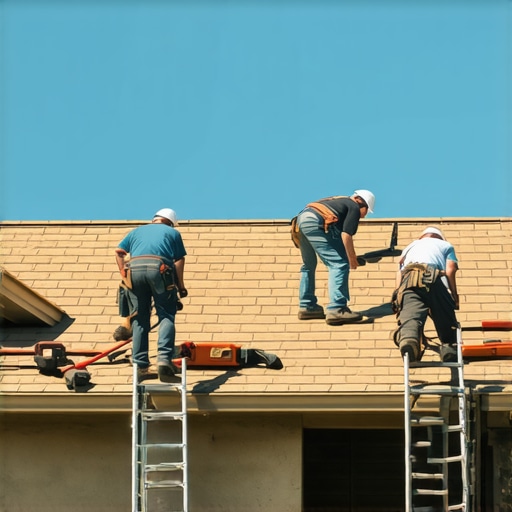
Walking on that roof felt like walking on a sponge. I knew exactly what I would find underneath before I even pulled my first pry bar. It was a classic case of a local roofer ignoring the physics of the Northeast climate. The homeowner thought they had a 30-year protection plan, but the decking was rotting from the inside out because of a failure to understand thermal bridging and attic bypasses. As we move into 2026, the technology for shingles has evolved, but the fundamental mistakes made by roofing companies remain the same. If you are looking at a replacement this year, you need to look past the shiny brochures and understand the forensic reality of how a roof actually survives a decade of snow, ice, and fluctuating temperatures.
1. The Myth of the Lifetime Warranty and Material Reality
In the world of roofing, ‘Lifetime’ is often a marketing term that carries more weight in a sales pitch than it does on your rafters. By 2026, we are seeing shingles engineered with higher polymer modification, but they still face the same enemy: UV degradation and thermal shock. When local roofers talk about a ‘square’ of shingles (that is 100 square feet for the uninitiated), they often gloss over the chemistry. Modern shingles are leaner on asphalt and heavier on limestone filler. This makes them prone to granule loss if they aren’t handled correctly during the cold-weather installs common in our northern zones. You want a material that maintains flexibility at 20°F, otherwise, you’re just installing brittle crackers on your house. Don’t let a contractor talk you into the cheapest line just to hit a price point; you’re paying for the fiberglass mat weight and the quality of the modified bitumen.
“A roof is only as good as its flashing.” – Old Roofer’s Adage
2. The Invisible Defense: Ice and Water Shield Physics
In cold climates, the code requires ice and water shield, but most roofing companies do the bare minimum. They run one course along the eaves and call it a day. A forensic look at most failures shows that capillary action—the way water molecules literally climb upward against gravity—pulls moisture under the shingles during a freeze-thaw cycle. In 2026, the standard for high-performance installation should be at least two courses (six feet) to ensure the transition from the heated wall line is fully protected. If your roofer is skimping on this self-adhering membrane, they are inviting ice dams to renovate your living room. We look for ‘shiners’—nails that missed the rafter and poke through the decking. In the winter, these nails turn into frost-covered spears that drip moisture directly onto your insulation, creating the perfect petri dish for mold.
3. Flashing, Crickets, and the Death of the Chimney
The chimney is the most common failure point I see in my investigations. Water doesn’t just hit a chimney and run off; it pools behind it. This is where a ‘cricket’ comes in—a small peaked structure built behind the chimney to divert water to the sides. Many local roofers skip the cricket to save two hours of labor. Without it, you are relying on a bead of caulk to hold back a river. 2026 installation standards should emphasize ‘step flashing’ over ‘continuous flashing.’ Every single shingle that meets a vertical wall needs its own L-shaped piece of metal. If you see a roofer pulling out a long, single piece of tin, fire them on the spot. They are fighting the expansion and contraction of the house, and the house always wins.
“The roof shall be covered with approved roof coverings in accordance with the manufacturer’s installation instructions.” – International Residential Code (IRC) R905.1
4. The Ventilation Paradox: Why Your Attic is Cooking
I have spent too many hours in 140°F attics where the shingles are ‘baking’ from the underside. Most roofing companies understand intake and exhaust, but they don’t understand the ‘short circuit.’ If you have a ridge vent but also have a power fan or gable vents, you are messing with the airflow physics. The ridge vent will start pulling air from the gable instead of the soffits, leaving the bottom half of your roof deck to rot. Proper 2026 installation requires a balanced system. We use ‘Mechanism Zooming’ to look at the soffit baffles—if those are blocked by blown-in insulation, your new shingles will curl and blister within five years, and the manufacturer will deny your warranty claim because of ‘inadequate ventilation.’ It is not just about keeping the house cool; it is about keeping the roof deck at the same temperature as the outside air.
5. The Fastener Fiasco: Nails vs. Staples
It sounds basic, but the way a nail is driven determines if your roof survives a windstorm or ends up in your neighbor’s yard. I see too many ‘high-nailing’ errors where the roofer hits the shingle above the nail line. This misses the double-layer common bond area, meaning the shingle is only held by a single layer of material. In high-wind zones, this is catastrophic. We also look for ‘over-driven’ nails where the pneumatic gun pressure is too high, blowing the nail head right through the mat. In 2026, reputable roofing companies are moving toward specialized ring-shank nails that provide superior pull-out resistance. If your contractor is still using staples, they are living in 1985, and you are buying a headache. A professional installation means six nails per shingle, driven flush, and positioned perfectly in the strike zone.