
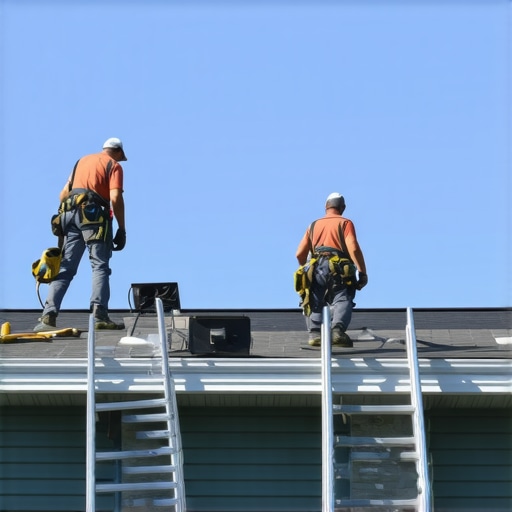
The Forensic Scene: Why Your Roof Feels Like a Sponge
Walking on that roof felt like walking on a damp sponge. I knew exactly what I’d find underneath before I even pulled my pry bar. The homeowner thought a quick coat of ‘cool roof’ paint would solve their problems, but they were literally sealing the rot inside. As a forensic roofer with twenty-five years of chasing leaks across the humid, salt-slicked coast, I’ve seen more failed ‘paint jobs’ than I have successful ones. In 2026, the marketing for roof coatings is slicker than ever, but the physics of water remains undefeated. If you’re looking at local roofers to ‘refresh’ your home, you need to understand that a roof isn’t a bedroom wall; it’s a high-performance shield that handles thermal expansion, UV bombardment, and hydrostatic pressure.
The Physics of the Coating: It is Not Just Paint
When people talk about roof painting, they usually mean elastomeric coatings. In our climate, where the humidity clings to the shingles like a wet blanket and the sun beats down with enough UV to bleach the color out of a brick, the material science matters more than the color. You aren’t just changing the aesthetic; you are changing the permeability of the assembly. I’ve walked onto jobs where a ‘trunk slammer’ used standard exterior latex on a flat square of modified bitumen. Within six months, the ‘paint’ was bubbling up like a bad sunburn. This happens because of moisture vapor drive. Moisture from inside your house wants to move out; if you seal the top with a non-breathable membrane, that water collects on the underside of your decking, turning your plywood into oatmeal. In 2026, we are seeing more high-solids silicone coatings that offer better breathability, but the prep work is where most roofing companies fail. You can’t just blow off the leaves and start spraying.
“A roof system’s performance is dependent upon the integration of its components into a cohesive unit.” – National Roofing Contractors Association (NRCA) Manual
1. The Adhesion Test: The Surgery Before the Band-Aid
Before any reputable local roofers even give you a quote for painting, they should perform an adhesion test. I’ve seen guys spray a beautiful white coat over old, chalking granules, only to have the whole thing peel off in a single sheet during the first tropical gust. We take a small patch, apply the coating and a strip of fabric, let it cure, and then pull it with a scale. If it pulls the granules off the shingle, the roof is too far gone. You’re trying to glue something to dust. If your contractor doesn’t own a pull-tester, show them the door. They aren’t doing roofing; they’re doing arts and crafts on your biggest investment.
2. The ‘Shiner’ and the Cricket: Dealing with Structural Defects
You cannot paint over a problem. I once spent three hours on a 140-degree slope looking for a mystery leak that two other ‘roof painting experts’ couldn’t find. It turned out to be a shiner—a nail that missed the rafter and was backing out, poking through the shingle like a bone through skin. No amount of elastomeric goo is going to stop a mechanical failure like that for long. Similarly, if your roof lacks a cricket—that small peaked structure behind a wide chimney to divert water—painting the valley isn’t going to stop the water from pooling and eventually finding a way into your living room. A real roofer fixes the flashing and the substrate before they even think about the aesthetics.
3. Thermal Shock and the Expansion Gap
In the Southwest or the humid Southeast, roofs go through massive temperature swings. During a summer afternoon, your roof deck might hit 160°F. Then, a sudden thunderstorm dumps 70°F water on it. The resulting thermal shock causes the materials to contract violently. If you’ve used a cheap, rigid coating, it will crack. We look for ‘elongation’ ratings. You want a product that can stretch 300% or more without snapping. This is why many roofing companies are moving toward thermoplastic coatings in 2026; they move with the house. If the guy you hire doesn’t talk about ‘tensile strength’ or ‘perm ratings,’ he’s just a guy with a ladder and a dream.
4. The ‘Lifetime Warranty’ Trap
I’ll tell you what my old foreman used to say: ‘A warranty is only as good as the guy who has to answer the phone.’ Many coating manufacturers offer 20-year warranties, but if you read the fine print, they require annual professional cleanings and inspections to remain valid. Most homeowners forget this by year three. Furthermore, these warranties usually cover the material, not the labor. If the coating peels because of poor prep, the manufacturer will blame the local roofers, and the roofers will blame the manufacturer. You’re left with a peeling roof and a legal headache. Look for a NDL (No Dollar Limit) warranty if you’re doing a large-scale project; it’s the only way to sleep at night.
“Water is patient. It will wait for you to make a mistake, then it will move in and stay.” – Old Roofer’s Adage
5. Choosing the Right Local Roofers in 2026
Don’t just Google ‘roofing companies’ and pick the one with the best clip art. You need a forensic approach to hiring. Ask for their ‘mil thickness’ verification process. A ‘mil’ is one-thousandth of an inch. A proper roof coating needs to be applied at a specific wet mil thickness to achieve the required dry mil thickness. If they are ‘eye-balling’ it, they are ripping you off. They should be using a wet film gauge on every square of the roof. If the coating is too thin, the UV will eat it in two years. If it’s too thick, it can trap gases and bubble. You want a technician, not a painter. When the smell of hot asphalt and the sound of a high-pressure sprayer fill the air, you want to know that the person behind the nozzle understands the capillary action of water and the chemical bond of the polymers they are deploying. Protecting your home isn’t about a fresh coat of paint; it’s about engineering a barrier that can withstand the increasingly brutal 2026 climate cycles.