
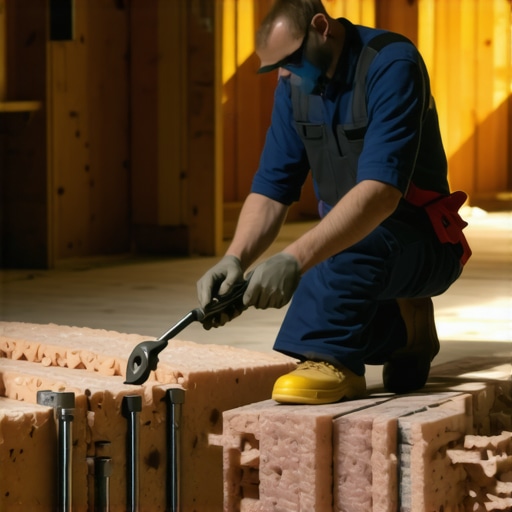
The Forensic Reality of Attic Systems
Walking on that roof in Denver felt like walking on a trampoline. I knew exactly what I’d find underneath before we even pulled a single shingle. The homeowner was convinced the shingles were defective, complaining of ‘soft spots’ and mysterious leaks. But as a forensic roofer with twenty-five years of chasing ghosts in the attic, I didn’t see a material failure—I saw a physics failure. When we finally pried up the decking, the OSB had the structural integrity of a soggy biscuit. The ‘leak’ wasn’t rain; it was the house breathing into its own lungs. This is the reality most local roofers won’t tell you because they’re too busy quoting you for a 30-minute blow-in job. In 2026, if your roofing company isn’t treating your attic like a pressurized vessel, they are setting you up for a catastrophic deck rot five years down the line.
“The primary purpose of attic ventilation is to maintain a cold roof temperature to avoid ice dams and to remove moisture that moves from the conditioned space to the attic.” — National Roofing Contractors Association (NRCA)
1. The Myth of More: Why Bulk R-Value Isn’t a Silver Bullet
The first mistake homeowners make—and many roofing companies encourage—is thinking that adding another foot of fiberglass will fix a cold house. It won’t. If you have air bypasses, your insulation is just a filter for the warm air escaping your living room. Think of it like wearing a heavy wool sweater on a windy day; without a windbreaker, the heat just blows right through the fibers. In 2026, the focus has shifted from bulk thickness to air sealing. We look for the ‘shiners’—those missed nails that act as thermal bridges, pulling frost into the attic. We look for the gaps around the chimney and the plumbing stacks. If you don’t seal the bypasses first, you’re just wasting money on the pink stuff. The physics of convective loops means that warm air will find every crack in your top plate, bypass the insulation entirely, and hit your cold roof deck, where it turns into dew and feeds the mold spores waiting in the plywood.
2. Managing the Eave Chokehold
I’ve seen a thousand ‘professional’ insulation jobs where the crew was so proud of their coverage that they buried the soffit vents. This is an absolute death sentence for a roof. When you choke off the intake at the eaves, the ridge vent becomes a vacuum, often pulling air—and sometimes rain or snow—backward into the attic. You need baffles, or ‘wind washers,’ installed at every single rafter bay. These aren’t suggestions; they are the lungs of your roofing system. A proper local roofer will ensure that the air entering the soffit is directed over the insulation and straight toward the peak. Without this laminar flow, you get stagnant air pockets. In a 140°F summer or a sub-zero winter, those pockets create thermal shock that curls shingles and dries out the oils in the asphalt, turning a 30-year roof into a 12-year scrap heap.
3. The ‘Shiner’ and Thermal Bridging
Let’s talk about the physics of a shiner. When a roofer misses the rafter and leaves a nail exposed in the attic, it becomes a literal heat sink. In a Northern climate, that nail head gets freezing cold. When warm, moist air from your home hits that cold metal, it undergoes a phase change. It’s not a leak; it’s internal rain. Over a winter, these nails grow ‘frost beards.’ When the sun hits the roof the next morning, that frost melts and drips. You see a spot on the ceiling and call a contractor to fix a ‘leak.’ They’ll try to sell you a patch, but the real fix is managing the latent heat in the attic. This is why 2026 insulation projects must address the thermal bridge of the rafters themselves. We are seeing more use of rigid foam over the rafters to break that bridge, ensuring the entire deck stays at a uniform temperature.
“A roof is only as good as its flashing and the air balance beneath it.” — Old Roofer’s Axiom
4. Vapor Retarders vs. Vapor Barriers: The Great Debate
There is a lot of bad information floating around regarding plastic in the attic. In the old days, we’d see guys laying 6-mil poly on the floor of the attic. All that did was trap moisture in the ceiling joists, leading to ‘wet rot’ and structural failure. In 2026, we utilize smart vapor retarders. These materials allow the ceiling to dry out if it gets wet, but stop moisture from migrating upward during the winter. If your local roofing company is still talking about ‘sealing it tight with plastic,’ run. You want a system that breathes. We use the ‘Mechanism Zooming’ approach: we analyze the vapor pressure differential between your humidified indoor air and the dry winter air outside. If that pressure isn’t managed, your roof deck becomes the primary condenser for every gallon of water your family boils or showers with.
5. The 2026 Contractor Red Flags: The Blow-and-Go Trap
The market is currently flooded with ‘blow-and-go’ crews. These are the guys who pull up with a machine, blow in twenty bags of cellulose, and leave in two hours. They don’t check the baffles, they don’t seal the top plates, and they don’t look at the valley transitions. A forensic-grade insulation project takes time. It involves a technician crawling into the tightest spots of the eaves with a can of spray foam and a headlamp. It involves checking the ‘cricket’ on the chimney to ensure there’s no water backing up behind it, which often creates the dampness that insulation then hides. When you’re interviewing roofing companies, ask them how they handle the ‘attic bypass.’ If they look at you sideways, they aren’t the ones you want touching your home. Protecting your investment means understanding that the roof and the attic are a single, symbiotic organ. You can’t fix one while ignoring the other without paying the price in five years when the plywood starts to delaminate and the shingles start to flap in the wind. Don’t let a ‘cheap’ contractor turn your home into a laboratory for mold growth. Ensure they are using stainless fasteners if you’re near the coast, and always insist on a post-installation blower door test to prove the air sealing actually worked. This isn’t just roofing; it’s forensic building science.