
The Forensic Autopsy of a Failing Roof Deck
Walking on that roof felt like walking on a sponge. I knew exactly what I’d find underneath before the first shingle was even pried up. It wasn’t just the sun-bleached asphalt or the granules clogging the gutters like silt in a dried-up creek. It was the give. That sickening, rhythmic dip between the rafters that tells a veteran roofer the structural integrity of the OSB has been compromised from the inside out. When we finally pulled the deck, the wood didn’t just break; it disintegrated. This is what happens when local roofers focus on the shingles but ignore the ecosystem living in the dark, damp space of your attic. In the humid pressure cooker of the Southeast, where moisture levels regularly turn attics into terrariums, 2026 is seeing a massive uptick in under-decking pests that thrive on the negligence of fast-and-loose roofing companies.
“The roof shall be shed of water and designed to prevent the accumulation of moisture within the assembly.” – International Residential Code (IRC) R903.1
The Physics of the Pest Invasion
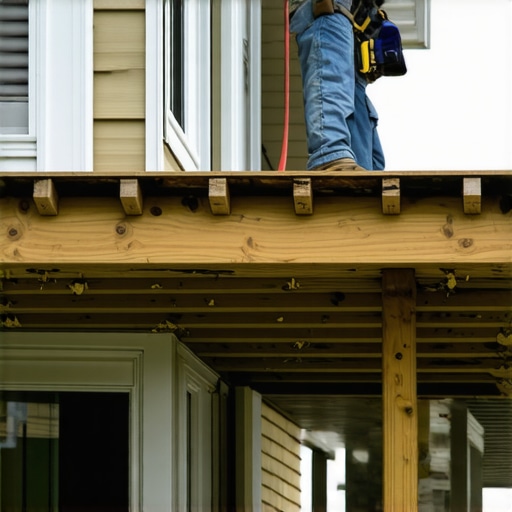
Pests don’t just appear; they are invited by the physics of poor construction. When a roofer leaves a shiner—a nail that missed the rafter and hangs exposed in the attic—it becomes a cold-point. During the humid nights in Houston or Miami, that nail sweats. That single drop of water, repeated over a thousand nights, creates a localized rot spot. This soft wood is a beacon for subterranean termites and carpenter ants. They aren’t just looking for food; they are looking for a regulated climate. By the time you see a swarm, the capillary action of the wood fibers has already sucked moisture three feet away from the initial leak, creating a saturated highway for wood-boring beetles. [image]
Sign 1: The Frass Accumulation (The Dust of Death)
If you find what looks like fine sawdust or coffee grounds on your attic floor, you aren’t looking at dirt. That is frass. Specifically, the excrement of powderpost beetles or carpenter ants. These pests don’t eat the wood for nutrition like termites; they excavate it to build galleries. They prefer the high-moisture environment found under poorly ventilated valleys. When local roofers fail to install a proper cricket behind a wide chimney, water pools, the wood softens, and the beetles move in. This isn’t just a pest problem; it’s a structural failure in the making.
Sign 2: The Hollow Drum Echo
Take a screwdriver handle and tap your roof deck from the inside. A healthy sheet of plywood or OSB should have a sharp, resonant snap. If it sounds like a dull thud or a hollow drum, you have internal delamination. In 2026, we are seeing more ‘re-overs’ where cheap roofing companies just nail new shingles over old ones. This traps heat and moisture, creating a literal oven that bakes the resins in the wood. Pests like silverfish and certain roach species love this ‘delamination gap’ because it offers protection from predators while they feast on the organic glues used in the decking.
Sign 3: Mud Tube Architecture on Rafters
This is the most dangerous sign. Subterranean termites require constant moisture to survive, so they build mud tubes to travel from the ground to your roof deck. If you see brown, vein-like structures climbing your rafters, your roof is being eaten from the bottom up. The drip edge is often the culprit here. If the local roofers didn’t install the drip edge with the correct overlap, water wicks back into the fascia board, providing the perfect moist entry point for these tubes. Once they hit the deck, they can devour a square of plywood in a single season.
Sign 4: Micro-Perforations and ‘Exit Holes’
Look at your decking under a high-lumen flashlight. If you see tiny, pin-sized holes, you have an active infestation of wood-boring insects. These are exit holes. By the time the insect leaves, the damage is done. These holes allow even more humid air to penetrate the core of the wood, leading to thermal bridging issues where your attic’s heat escapes, further condensing against the underside of the cool shingles and accelerating the rot cycle. It’s a feedback loop of destruction that no simple shingle replacement can fix.
Sign 5: The ‘Telegraphing’ Shingle Line
Stand at the curb and look at your roof during the golden hour. If you see the outlines of the plywood sheets (a phenomenon called telegraphing), it means the wood is warping. While heat is a factor, pests are often the hidden catalyst. As insects hollow out the structural layers, the weight of the shingles causes the wood to sag. This creates ‘troughs’ where water sits instead of flowing to the valleys.
“A roof is only as good as its flashing.” – Old Roofer’s Adage
The Surgery: Why You Can’t Just ‘Spray It’
Most homeowners want a quick fix. They want to call an exterminator and call it a day. But if the wood is structurally compromised, no amount of poison will restore the load-bearing capacity of that deck. If your roofer isn’t talking about a full tear-off when these signs are present, they are setting you up for a collapse. A real pro will look for the kickout flashing—the most common point of failure—and ensure the secondary water resistance is integrated into the wall system. Don’t let a ‘trunk slammer’ tell you that a few extra nails will stiffen up a buggy deck. You need to cut out the cancer. Replacing a few sheets of OSB now is cheap compared to a full structural rafter replacement three years down the road when the pests have moved into the bones of the house.