
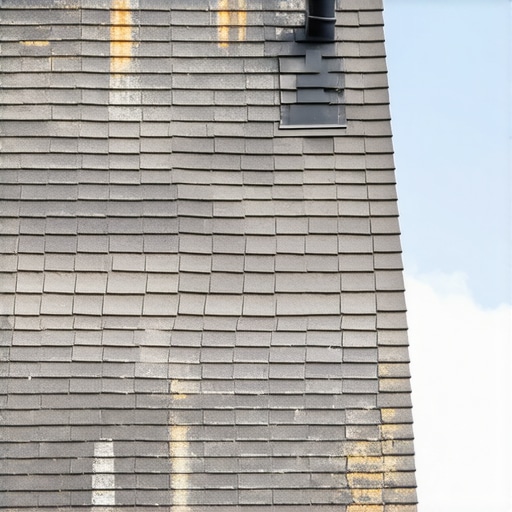
The Autopsy of a Failing Peak
Walking on a roof that is starting to rot from the inside out has a very specific feel. It is not the sharp crack of a broken shingle; it is a sickening, rhythmic ‘thump’ that feels more like walking on a damp sponge than a structural assembly. I was out on a job last week for a homeowner who thought they just had a couple of loose shingles. Within three steps, my boots told me a different story. The ridge line was sagging, and the air coming out of the attic smelled like a swamp. This is the reality many local roofers are starting to see with the 2026 wave of ridge vent decay—a specific era of material failure and installation shortcuts that are now coming home to roost.
When we talk about roofing, most people look at the shingles. They worry about hail or wind. But as a forensic roofer, I look at the breathing. A roof is a living system. If it cannot exhale, it dies. The ridge vent is the primary exhaust port of your home, and when it fails, the physics of your house change for the worse. We are entering a period where ‘modern’ plastic vents installed ten years ago are hitting a wall of UV degradation and thermal fatigue. This is not just a leak; it is a systemic collapse of the attic’s climate control.
“A balanced ventilation system requires equal parts intake and exhaust to prevent the accumulation of moisture within the attic space.” – NRCA (National Roofing Contractors Association)
The Forensic Scene: Why Vents Are Giving Out Now
I recently climbed onto a roof where the ridge vent looked fine from the driveway. But once I got up there and poked a screwdriver near the cap, the plastic snapped like a dry cracker. This is the ‘2026 Decay’—the point where the plasticizers in the ridge vent have completely leached out due to years of baking in 140-degree sun. Local roofers who used the cheap, foam-core or thin-wall plastic vents are seeing their ‘lifetime’ products disintegrate. Water isn’t just falling through these gaps; it’s being invited in through capillary action. When the vent loses its structural integrity, the gap between the shingle and the vent widens, allowing wind-driven rain to crawl horizontally underneath. It doesn’t drop straight down; it migrates. It finds a shiner—a missed nail—and follows that metal rod straight into your ceiling joists.
Sign 1: The Shadow Line Distortion
The first sign of ridge vent decay is often visual, but you have to know where to look. If you stand back from your house and look at the peak, the ridge should be a perfectly straight line. When the internal baffles of a ridge vent begin to collapse, you will see a ‘wavy’ or ‘toothed’ shadow line. This happens because the plastic has warped from the extreme heat of the attic. When the vent warps, it creates an uneven surface for the cap shingles. This isn’t just an aesthetic issue. An uneven ridge vent means the ‘weather-tight’ seal is broken. In the roofing trade, we call this the ‘accordion effect.’ The plastic expands and contracts at a different rate than the wood decking below. If the local roofing companies didn’t use oversized fasteners, those nails start to ‘back out,’ lifting the vent and creating a massive entry point for moisture.
Sign 2: The Rust ‘Tear-Tracks’ in the Attic
If you want to know the truth about your roof, you have to go into the purgatory we call the attic. During a forensic inspection, I look for ‘tear-tracks’—streaks of rust or dark water stains running down the sides of the rafters directly under the ridge. This is the smoking gun of a failing vent. When the ridge vent decays, it fails to keep out wind-driven rain. But even worse, it fails to exhaust moisture. That humid air from your shower and kitchen hits the cold underside of the roof deck and turns into liquid. This is condensation, and it’s more dangerous than a leak because it happens across the entire surface. If you see rusted nail heads (shiners) protruding through the plywood, your ridge vent is no longer doing its job. The air is stagnant, and the wood is drinking that moisture.
“A roof is only as good as its flashing and its ability to manage vapor pressure.” – Old Roofer’s Adage
Sign 3: The Brittle Cap Shingle Syndrome
Take a look at the shingles that sit directly on top of the vent. These are called ‘cap shingles.’ Because a failing ridge vent traps heat, those shingles are being ‘cooked’ from both sides. You’ll notice they lose their granules much faster than the rest of the roof. They might look ‘toasted’ or have curled edges. If you touch them and they crumble, the vent underneath has stopped breathing. When a vent is clogged with dust, debris, or even spider webs, the NFA (Net Free Area) drops to zero. Local roofers often see this in homes near heavy tree cover. The organic matter sits in the vent, stays damp, and rots the plastic while simultaneously baking the shingles above it. It’s a double-whammy of degradation.
Sign 4: The Critter Gap (Structural Gapping)
As the ridge vent decays and warps, it often pulls away from the roof deck. This creates the ‘Critter Gap.’ I’ve done tear-offs where I found entire colonies of wasps or even squirrels living inside the ridge because the vent had bowed up so high. If you can see daylight through the ridge from inside your attic, but it’s not a clean, filtered light, you have a structural gap. This gap is an invitation for the elements. In a heavy storm, the wind hits the side of your house, travels up the roof slope, and is forced into that gap. This is the Venturi effect in reverse. Instead of pulling air out, the wind pushes water in. If your roofing company didn’t install a vent with an internal weather filter, you’re essentially living under a cracked lid.
Sign 5: The ‘Oatmeal’ Decking Effect
This is the final stage of decay. When a ridge vent fails to exhaust heat and moisture for several seasons, the plywood decking directly adjacent to the ridge becomes ‘punky’ or ‘soft.’ In the trade, we call this ‘oatmeal plywood.’ You can actually feel it when you walk the ridge; the roof feels bouncy. This is the result of delamination. The glue holding the layers of plywood together has failed because of the constant humidity. At this point, you aren’t looking at a simple vent replacement; you’re looking at a partial tear-off to replace the structural decking. This is why waiting until 2026 to check a 10-year-old vent is a gamble you’ll likely lose. The cost of a new vent is a few hundred dollars; the cost of replacing four squares of rotted decking and new shingles is thousands.
The Solution: The Surgery vs. The Band-Aid
If you see these signs, do not let a ‘trunk slammer’ come out and just slap some caulk on it. Caulk is a temporary fix for a terminal problem. The only real fix is ‘The Surgery.’ You have to pull the cap shingles, rip out the old, brittle vent, and inspect the wood underneath. If the wood is still sound, you install a high-quality, baffled ridge vent that is rated for the wind loads in your specific area. You also have to ensure your intake—the soffit vents—are not blocked by insulation. If there is no air coming in at the bottom, no air can go out at the top. It’s basic physics, yet many roofing companies ignore the intake entirely. Don’t be the homeowner who ignores the ‘thump’ when walking on the roof. By the time you see a spot on your ceiling, the forensic evidence suggests the damage has been done for years.