
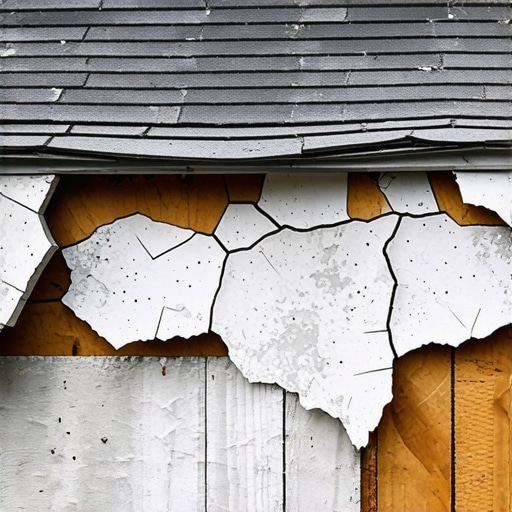
The Forensic Scene: Walking on a Sponge
Walking on that roof felt like walking on a sponge. I knew exactly what I’d find underneath before I even pulled my hammer from the loop. It was a crisp morning, the kind where the frost usually makes the shingles slick, but this deck didn’t have the rigidity of wood anymore. It had the give of wet cardboard. Most local roofers will tell you that you just need a new layer of asphalt, but they aren’t looking at the bones. When the plywood delaminates, the roof is no longer a shield; it is a liability waiting for the next heavy snow load to turn your attic into a skylight. I’ve spent 25 years in the dirt and the heat, and I can tell you that moisture is patient. It doesn’t scream; it whispers until the structural integrity of your home is compromised.
The Physics of the Failure: Why Plywood Falls Apart
Plywood isn’t a solid block of wood. It’s a sandwich of thin veneers held together by phenolic resins. In a perfect world—one where roofing companies actually understand thermodynamics—this sandwich stays dry and stable. But in the real world, specifically in our cold northern climates, the attic becomes a battleground. Warm, moist air from your shower or kitchen leaks through unsealed light fixtures—what we call ‘attic bypasses’—and hits the underside of the cold roof deck. This is where the capillary action begins. The water doesn’t just sit there; it wicks into the edges of the plywood sheets. Over time, the glue bonds break down. This is the mechanism of delamination. Once those layers separate, the board loses its shear strength. It can no longer hold a nail, and it certainly can’t support the weight of a square of shingles plus a foot of snow.
“The roof covering shall be applied in accordance with the manufacturer’s installation instructions. Roofed systems must be designed to withstand the dictated snow and wind loads of the specific region.” – International Residential Code (IRC) Section R905
Sign 1: The ‘Hump and Dip’ Visual
If you stand at the curb and look across the plane of your roof, you shouldn’t see waves. If you see the outlines of the 4×8 sheets of plywood—a phenomenon often called ‘telegraphing’—you are looking at advanced delamination. The wood is swelling at the edges and dipping in the center because the internal glues have failed. Local roofers who try to ‘roof over’ this are committing malpractice. You cannot flatten a warped deck by nailing more weight onto it. You’re just masking a cancer that will eventually eat through the rafters.
Sign 2: The ‘Shiner’ and the Rust Streak
In the trade, we call a missed nail a ‘shiner.’ This is a nail that was driven through the plywood but missed the rafter. In a failing roof, these shiners become lightning rods for condensation. Go into your attic with a flashlight. If you see rusted nails or black rings around where the nails penetrate the wood, the delamination process has started. That moisture is traveling from the nail into the wood fibers, rotting the core of the ply. When roofing professionals see this, they know the deck is compromised. If the wood is dark or stained, it’s already lost its structural R-value and its ability to grip the fasteners.
Sign 3: Granule Loss and ‘Bouncy’ Shingles
When the plywood beneath the shingles begins to soften, it creates a trampoline effect. Every time the wind blows or someone walks on the roof, the shingles flex more than they were designed to. This causes the protective granules to shake loose and wash into your gutters. If you see piles of ceramic granules in your downspouts, don’t just blame the shingles. It might be the deck underneath giving way. A soft deck makes the shingles brittle because they are constantly being stressed by the lack of a firm foundation.
Sign 4: The 2026 Milestone (The ‘Boom’ Era Decay)
Why am I talking about 2026? Because the massive housing boom of the mid-2000s used materials that are now hitting their 20-year expiration date. Much of the oriented strand board (OSB) and plywood used during that period wasn’t treated for the extreme thermal bridging we see today. We are approaching a ‘perfect storm’ where millions of homes will see their roof decks fail simultaneously. If your home was built between 2004 and 2007, you are in the crosshairs. The resins used in that era are reaching the end of their chemical stability under the 140°F heat of a poorly ventilated attic.
Sign 5: Mold and the Smell of the Woods
Your attic should smell like dry wood and insulation. If it smells like a damp forest floor or old mulch, you have an active delamination event. This is the smell of the lignin in the wood being consumed by fungi. By the time you can smell it, the plywood is often ‘oatmeal.’ I once did a tear-off where I could put my finger through the deck just by pressing down. That’s not a repair; that’s a forensic recovery operation. Roofing companies that skip the attic inspection are doing you a massive disservice.
“A roof is not a single component, but a system of balanced ventilation, insulation, and structural integrity. Failure in one is failure in all.” – NRCA Manual
The Surgery: How to Fix a Delaminated Deck
You can’t fix delaminated plywood with a patch. You have to perform ‘the surgery.’ This means a total tear-off down to the rafters. Every sheet of ‘oatmeal’ needs to be pulled and replaced with new CDX grade plywood. We then install a high-quality Ice & Water Shield at the eaves and in the valleys to prevent future moisture intrusion. We also have to look at the cricket behind the chimney and the drip edge to ensure water is being shed away from the wood, not into it. If your contractor doesn’t mention ‘intake ventilation,’ fire them. Without proper airflow, your new plywood will just start rotting the day it’s installed. You need a local roofer who understands that the roof is the hat of your house, and it needs to breathe just as much as it needs to protect.
I found this detailed breakdown on plywood delamination really eye-opening. It’s not just about replacing shingles but understanding what’s happening inside the deck. The part about ‘telegraphing’ as an early warning sign really resonated with me because I’ve seen similar issues in some older roofs I’ve maintained. What’s tricky is that many homeowners might not even realize there’s a problem until it’s too late, especially if the visual signs are subtle. The mention of ‘mold and the smell of the woods’ as an indicator caught my attention; I once noticed a musty smell in my attic, and it turned out to be a sign of delaminating plywood. I’m curious—how do you recommend homeowners perform a safe inspection of the roof and attic to catch these issues early without risking injury? A lot of us are hesitant to climb onto roofs, so any practical tips would be appreciated.