
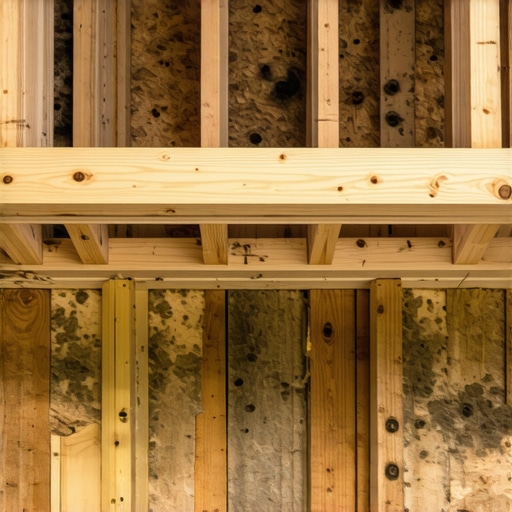
The Black Bloom: A Forensic Look at Why Your Attic is Rotting
Walking on that roof felt like walking on a sponge. I knew exactly what I’d find underneath before I even pulled my pry bar from my belt. It was a mid-July morning, the kind where the humidity sticks to your skin like a wet wool blanket, and the homeowner was complaining about a ‘musty smell’ in the hallway. Local roofers had been there three times, each one slapping more caulk on the flashing and charging five hundred bucks for the privilege. They were looking at the shingles; I was looking at the physics. When I finally crawled into that crawlspace, the stench of stagnant water and decaying OSB hit me. The underside of the roof deck wasn’t just wet; it was furry. A thick, black carpet of Cladosporium was eating the wood. This isn’t just a leak problem; it is a ventilation and thermal dynamics failure that most roofing companies completely ignore. By 2026, we are seeing a massive spike in these cases because houses are being built too tight without the proper respiratory system for the attic. If you want to know if your home is currently a petri dish, you have to stop looking for water on the floor and start looking for the invisible mechanics of moisture.
1. The ‘Shiner’ Forest: How Cold Steel Breeds Mold
The first sign isn’t a puddle; it’s a shiner. In trade talk, a shiner is a nail that missed the rafter and is just hanging out in the open air of your attic. On a cold winter night, that nail becomes a thermal bridge. It’s a direct line from the freezing outside air to the warm, humid air leaking up from your kitchen or bathroom. Physics dictates that moisture will condense on the coldest surface it finds. I have seen attics where every single shiner was covered in a tiny forest of frost. When that frost melts, it drips directly into your fiberglass batts, killing your R-value and creating a damp microclimate where mold thrives. If you see rusted nail tips or white mineral stains on your plywood, your attic is struggling to breathe.
“To prevent the accumulation of moisture, attic ventilation shall be provided in accordance with section R806.1 of the International Residential Code.” – IRC Building Standards
2. The Oatmeal Decking: Structural Degradation from the Inside Out
When I talk about ‘Oatmeal Plywood,’ I’m talking about delamination. Most local roofers today use OSB (Oriented Strand Board). It’s cheap and effective, until it gets wet. Unlike old-school tongue-and-groove planking, OSB acts like a sponge for capillary action. Water doesn’t just sit there; it wicks through the wood fibers. By the time you notice a soft spot while walking on your roof, the structural integrity is gone. The glue holding those wood chips together has dissolved. If you push on your ceiling or the underside of the roof deck and it feels soft or ‘punky,’ the mold has already moved from the surface into the heart of the material. This is why a simple patch job from most roofing companies is a waste of money; you are just covering up a rotting corpse.
3. Ghosting on the Rafters: The Thermal Bridging Trap
Look at your rafters. Do you see dark streaks following the lines of the wood? That’s not just dirt; it’s ‘ghosting.’ This happens when there is a significant temperature difference between the wood and the surrounding air. The rafter stays colder than the air, moisture clings to it, and dust and mold spores stick to that moisture. It’s a forensic roadmap of where your insulation is failing. Many roofing companies will tell you to just spray some bleach on it. That’s like putting a Band-Aid on a gunshot wound. You have to address the stack effect—the way warm air is sucked from your living space into the attic through unsealed light fixtures and plumbing stacks.
4. The Smell of the Grave: Why Your Nose is Your Best Tool
The human nose is surprisingly good at detecting VOCs (Volatile Organic Compounds) produced by active mold colonies. If you open your attic hatch and it smells like a damp basement or wet earth, you have an active moisture problem. This is often caused by hydrostatic pressure in the air. If your soffit vents are clogged with insulation—a classic mistake by lazy local roofers—the air can’t circulate. The hot, wet air gets trapped at the peak, and the moisture is forced into the wood. I’ve seen brand-new 50-year shingles stripped off roofs after only five years because the attic was so poorly vented that the shingles literally cooked from the underside.
5. The Ice Dam Echo: A Winter Warning for Summer Rot
If you had ice dams last winter, you will have mold this summer. An ice dam is a symptom of heat escaping into the attic. That heat melts the snow, which refreezes at the eaves, backing water up under the shingles. But the real damage is what you don’t see: the water that stays trapped in the soffit and the lower valley of your roof. This water saturates the fascia boards and the starter strip. By the time 2026 rolls around, those damp areas become the primary breeding ground for spores that will migrate across the entire deck. A proper fix requires a cricket to divert water and a dedicated ice and water shield, but most importantly, it requires fixing the air leaks that caused the heat to escape in the first place.
“A roof is only as good as its flashing.” – Old Roofer’s Adage
The Forensic Fix: Beyond the Surface
When you call roofing companies, don’t ask them for a price per square. Ask them about their ventilation calculations. Ask them if they check for attic bypasses. If they don’t mention the intake-to-exhaust ratio, they aren’t fixing your problem; they are just selling you a product. You need a contractor who understands that the roof is a system, not a lid. You need to ensure your baffles are clear, your ridge vent isn’t choked by mismatched shingles, and your bathroom fans aren’t venting directly into the attic space—a cardinal sin I still see every single week. Mold is patient. It will wait for you to make a mistake, and it will eat your house from the top down if you let it.