
The Dining Room Waterfall: A Lesson in Neglect
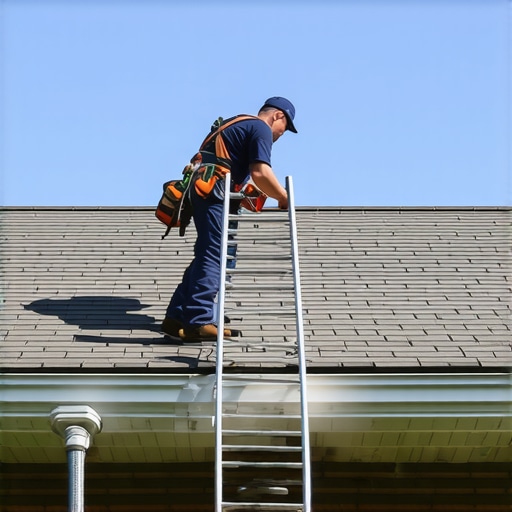
The call came in at 2:00 AM on a Tuesday. The homeowner was hysterical because water was cascading down his dining room wall, right over a family portrait. He thought his roof was toast. He thought a square of shingles had just vanished into thin air. I climbed up there the next morning with my boots crunching on frozen grit, and I didn’t even need to pull my ladder off the truck to see the culprit. It wasn’t the shingles. It was the gutters. Or rather, the three inches of frozen organic sludge and maple seeds that had turned his drainage system into a solid block of ice. Local roofers see this every single year, but 2026 is bringing a new set of challenges that most homeowners aren’t ready for.
Walking on that roof felt like walking on a sponge near the eaves. I knew exactly what I’d find underneath the drip edge. When I finally pried a section of the fascia away, the plywood was so far gone it looked like wet tobacco. This is what happens when you treat gutter maintenance as an optional chore rather than a structural necessity. Water doesn’t just sit there; it migrates. It uses capillary action to defy gravity, pulling itself upward between the gutter back and the wood, slowly digesting your home from the outside in.
The Physics of Failure: How Water Kills a House
Most people think a gutter is just a slide for rain. It’s actually a complex hydraulic system. When those channels get obstructed, we see a phenomenon called hydrostatic pressure. As the water level rises in a clogged gutter, the weight of that water pushes against the fascia board. If your local roofers used cheap zinc nails instead of stainless or high-quality galvanized fasteners, you’re looking at galvanic corrosion. The chemical reaction between the decomposing wet leaves (which are acidic) and the metal fasteners eats the ‘bite’ right out of the wood. Eventually, the whole system sags, changing the pitch and creating a permanent birdbath where mosquitoes and rot-fungi throw a party.
“A roof is only as good as its flashing and its ability to shed water away from the foundation.” – Old Roofer’s Adage
My old foreman used to say, ‘Water is patient. It will wait for you to make a mistake.’ He was right. In our climate zone, the transition from late 2025 into 2026 is predicted to have more frequent freeze-thaw cycles. This is the worst-case scenario for gutters. During the day, the sun hits the shingles, melting the snow. That water runs down into a gutter that is shaded and cold. It freezes instantly. This creates a ‘flash dam.’ Within three days of this cycle, you have a fifty-pound ice spear hanging over your front door and water backing up under your first course of shingles, bypassing the Ice & Water Shield entirely.
5 Reasons 2026 Gutter Maintenance is Non-Negotiable
1. The Rise of Micro-Debris and Shingle Granule Loss
We are seeing an uptick in premature granule loss on modern asphalt shingles due to increased UV intensity. These granules—the tiny rocks on your shingles—don’t just disappear; they wash into the gutters. By 2026, many roofs installed five to seven years ago will have shed enough ceramic coating to fill a gutter halfway with ‘shingle sand.’ This sand is heavy. It creates a dam that traps pine needles and leaves, turning your drainage into a heavy, wet mortar that pulls hangers right out of the rafter tails.
2. Fastener Fatigue and the ‘Shiner’ Problem
I’ve seen it a thousand times: a ‘trunk slammer’ contractor installs gutters with ‘shiners’—nails that missed the rafter and are just hanging out in the air behind the fascia. Over time, the thermal expansion and contraction of the metal gutter pulls these loose nails further out. By 2026, these fasteners reach their breaking point. Without a professional inspection from reputable roofing companies, you won’t know your gutters are held on by a prayer until they are laying in your azaleas.
3. The Foundation Erosion Factor
It’s not just about the roof. If your gutters are overflowing, that water is dropping straight down like a hammer. This creates a trench next to your foundation. In the winter, that water freezes, expands, and cracks your basement walls. You aren’t just paying for gutter cleaning; you are paying to keep your basement dry and your foundation stable. A few hundred bucks for a pro to clear the lines is a lot cheaper than a $20,000 piering job on a cracked slab.
4. Mold, Soffit Vents, and Attic Health
When gutters clog, the water often wicks back into the soffit. These are the vents under your eaves that let your house breathe. Once those vents get wet, they become magnets for black mold. If your attic can’t breathe, your shingles bake from the inside out, reaching temperatures of 160°F or more. This ruins the adhesive bond of the shingles, meaning the next wind storm will peel your roof back like a banana. This is the ‘domino effect’ of poor maintenance.
5. Pest Colonization
A clogged gutter is a five-star hotel for pests. I once pulled a section of gutter down and found a hornet’s nest the size of a basketball hidden behind a clump of oak leaves. Beyond insects, the damp wood of a neglected fascia is an invitation to carpenter ants and termites. They don’t need to find a way in from the ground if you provide them a wet, rotting bridge directly into your attic.
The Band-Aid vs. The Surgery
I see people trying to fix these issues with a tube of cheap caulk and some plastic screens from the big-box store. That’s a band-aid on a gunshot wound. If the wood behind the gutter is soft, you can’t just screw the gutter back into it. You have to perform ‘surgery.’ This means a full tear-off of the gutter system, replacing the rotted fascia with primed cedar or PVC-wrapped lumber, and then reinstalling the system with proper 6-inch spikes or heavy-duty screws that actually hit the rafter tails. Roofing companies that know their trade will tell you that the pitch is everything. If the gutter doesn’t drop a quarter-inch for every ten feet of run, it’s just a long, skinny pond hanging off your house.
“Water is the most common cause of building failure. Control the water, and you control the longevity of the structure.” – International Residential Code (IRC) Philosophy
Don’t wait for the water to show up in your dining room. By the time you see a stain on the ceiling, the damage has been happening for months, maybe years. You need to get someone up there who knows how to look for ‘the tell’—the subtle staining on the underside of the eave, the slight gap between the drip edge and the gutter, or the tiny piles of granules at the base of your downspouts. 2026 is coming fast, and the weather isn’t getting any gentler. Take care of your drainage, or the water will take care of your house for you, one rotted board at a time.