
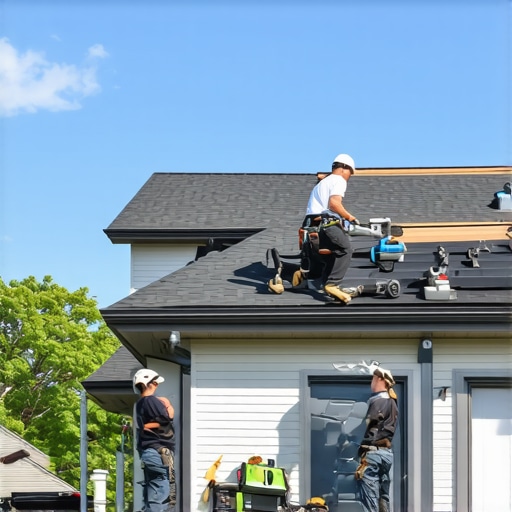
The Smell of a Rotting Deck: Why Your 2026 Asphalt Roof Replacement Is Forensic, Not Aesthetic
Walking on that roof felt like walking on a wet sponge. I knew exactly what I’d find underneath. Before I even pulled my pry bar, the smell of damp, sour plywood—what we in the trade call ‘oatmeal deck’—was wafting through the soffit vents. Most local roofers will pull up in a shiny truck, hand you a glossy brochure of 2026 architectural shingles, and talk about ‘curb appeal.’ I don’t care about your curb appeal. I care about why your last roof died five years early. If you’re looking at roofing companies today, you aren’t just buying a product; you’re hiring a forensic investigator to stop your house from eating itself from the inside out.
“A roof is only as good as its flashing.” – Old Roofer’s Adage
In the cold, damp corridors of the Northeast and Midwest, asphalt shingles face a brutal reality: the thermal tug-of-war. We aren’t just fighting rain; we are fighting the laws of thermodynamics. When your attic hits 130°F because of poor airflow and the outside air is a crisp 20°F, you aren’t just losing heat—you’re creating a literal weather system in your rafters. This leads to condensate rain, where moisture clings to the underside of the deck until it rots the fasteners. If you want to avoid the lowest-bidder blues, you need to ask these five questions before a single square of material hits your driveway.
1. How Are You Managing the ‘Shiner’ Risk and Nailing Patterns?
Let’s talk about the ‘shiner.’ That’s a nail that missed the rafter or the structural meat of the deck, sticking through into the attic like a cold-conducting spear. In winter, that nail becomes a magnet for frost. When it thaws, it drips. Do that a thousand times across 30 squares, and you have a man-made leak that no shingle warranty covers. You need to ask local roofers if they use a six-nail pattern and how they verify the ‘strike zone.’ In 2026, many roofing companies use Lidar to map the deck before a single hammer swings, ensuring the fasteners actually bite into something structural rather than air.
2. Will You Use Bio-Sealants or Standard Petroleum Adhesives?
The asphalt world changed. We used to rely on thick, nasty petroleum strips to keep shingles from flapping in the wind. But as the sun bakes those shingles, the oils migrate out, leaving the seal brittle. I’ve seen ‘hurricane-rated’ shingles peel off in a 40-mph breeze because the thermal bond failed. Ask why 2026 roofing companies prefer bio-sealants. These soy-based or hybrid polymers don’t dry out at the same rate as traditional tar. They stay flexible, allowing the shingle to move during the thermal shock of a summer thunderstorm without snapping the bond. If they are still using the same ‘sticky-back’ tech from 1998, walk away.
3. How Do You Handle the ‘Capillary Creep’ in the Valleys?
Water doesn’t just fall; it climbs. Through capillary action, water can move sideways and upward between layers of shingles. This is why underlayment rot is so common in the valleys. A standard ‘closed valley’ where shingles are woven together is a recipe for trapped debris and damming. I want to hear my roofing companies talk about ‘open valleys’ with pre-painted W-metal or, at the very least, a heavy-duty ice and water shield that extends 36 inches past the interior wall line. If they don’t mention the ‘cricket’—that small peaked structure behind your chimney to divert water—they aren’t roofers; they’re shingle-tossers.
“The roof shall be covered with approved roof coverings… and shall be applied in accordance with the manufacturer’s installation instructions.” – International Residential Code (IRC) R905.1
4. Is the ‘Lifetime Warranty’ Marketing Smoke or Actual Protection?
Listen closely: ‘Lifetime’ usually means the lifetime of the shingle, which the manufacturer defines, not your lifetime. Most of these warranties are pro-rated, meaning after ten years, they aren’t paying for much more than a box of nails. The real failure point isn’t the shingle; it’s the labor. If your local roofers aren’t ‘Certified Master’ or ‘Platinum’ level with the manufacturer, that fancy warranty might not cover a dime of the labor to tear off the failed product. You need to see the paper trail. In 2026, top-tier contractors are moving toward digital audits to document every step, so when the manufacturer tries to blame ‘improper ventilation,’ you have the heat-map data to prove them wrong.
5. What Is Your Plan for Thermal Bridging and Attic Bypass?
A new roof won’t fix a cold house if the roofing companies ignore the attic bypass. These are the holes around plumbing stacks, recessed lights, and top plates that let warm, moist air scream into your attic. This air hits the cold plywood, turns to liquid, and rots your new roof from the bottom up. Ask if they perform an air-seal check as part of the tear-off. If they aren’t looking at your insulation levels and your ridge vent performance, they are just putting a new lid on a boiling pot. You’ll be calling me in five years to investigate why your new ’30-year’ shingles are curling like stale potato chips. Mechanism zooming: when that plywood gets wet, it expands. When it dries, it shrinks. This constant movement pulls the nails loose—the dreaded ‘nail pop’—and breaks the water-tight seal of your shingles. Don’t be the homeowner who pays for a roof twice because they ignored the physics the first time.