
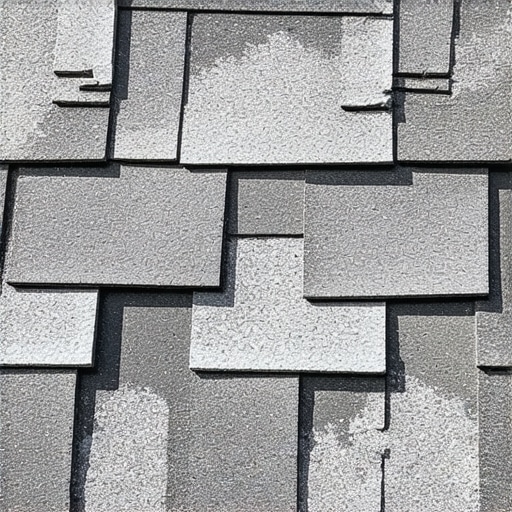
The Afternoon I Found a Sponge on a Slope
Walking on that roof in the humid afternoon felt like walking on a sponge. I knew exactly what I’d find underneath before I even pulled my flat bar out of the pouch. The air was thick enough to chew, and the shingles weren’t just hot; they were soft. Not ‘new asphalt’ soft, but ‘structural failure’ soft. Most local roofers would’ve just seen a few bumps and called it hail damage to chase an insurance check. But I’ve spent 25 years in this trade, and I know the difference between a rock hitting a roof at 60 mph and a roof that’s literally boiling from the inside out. This wasn’t a storm; it was a manufacturing and ventilation disaster waiting to happen. As we look toward the materials coming off the lines in 2026, we’re seeing a shift in how asphalt mats react to our increasingly brutal summers.
The Physics of the Pustule: What is Shingle Blistering?
A shingle blister isn’t a mystery if you understand the basic physics of solar vapor drive. When roofing companies slap down a new square of shingles, they’re installing a multi-layered sandwich of fiberglass, asphalt, and granules. If even a microscopic amount of moisture gets trapped in that sandwich during manufacturing—or if the attic space underneath is sitting at a crisp 150°F because someone skimped on the ridge vent—that moisture turns to gas. Expansion is inevitable. The gas pushes upward, creating a bubble under the granules. This isn’t just a cosmetic ‘pimple.’ It’s the sound of your roof’s lifespan being cut in half.
“Proper ventilation is essential to prevent the premature failure of asphalt shingles caused by excessive heat and moisture buildup.” – NRCA (National Roofing Contractors Association)
1. The ‘Bald Spot’ Anatomy: Granule Loss Patterns
The first way to spot these 2026-era blisters is by looking at the granules. Unlike hail, which usually leaves a clean, round bruise with granules pushed into the mat, a blister pops from the inside out. Think of it like a volcano. The asphalt bubble expands until the top layer of granules just sheds away. If you’re seeing circles of exposed asphalt where the granules look like they were ‘pushed’ off rather than ‘hit’ off, you’re looking at a blister. When those granules are gone, your roof loses its UV protection. Without that armor, the sun cooks the asphalt until it’s as brittle as a saltine cracker.
2. The Depth Perception Test: Pitting vs. Impact
Local roofers who know their salt will get low on the roof—real low—to check the profile. A hail hit has a distinct ‘crush’ to the fiberglass mat. A blister, however, often leaves a raised rim. Even after the bubble pops and the ‘scab’ falls off, you can see where the material was stretched thin. This is where the ‘forensic’ part of my job gets fun. I’ve seen trunk slammers try to pass off these manufacturing defects as storm damage for years. But if the mat isn’t fractured at the bottom of the pit, it’s a blister. It’s the difference between a dent in a car door and a rust hole bubbling from the frame.
3. The Solar Exposure Correlation
If you want to know if you’re dealing with a batch of bad 2026 shingles or just poor installation, look at the compass. Blisters are heat-seekers. You’ll find them concentrated on the south and west-facing slopes—the parts of the roof that take the full brunt of the afternoon sun. If the north side of your house looks pristine but the south side looks like it has the measles, you’ve got a thermal expansion problem. This is often exacerbated by ‘shiners’—nails that missed the rafter and are now acting as heat sinks, conducting the attic’s literal oven-heat directly into the underside of the shingle.
4. The ‘Squish’ Factor and Interlaminar Failure
This brings me back to that ‘sponge’ feeling. When you walk on a roof that’s actively blistering, the shingles feel unstable. In the 2026 market, we’re seeing more ‘volatile migration.’ This is a fancy way of saying the oils in the asphalt are moving around because the shingle is too hot. When you step on a blistered area, you might feel a slight ‘give.’ That’s the delamination of the asphalt from the fiberglass core.
“A roof is only as good as its flashing and its ability to breathe.” – Old Roofer’s Adage
The Trap of the ‘Lifetime’ Warranty
Most roofing companies will sell you on a ‘Lifetime Warranty,’ but read the fine print. Most of these warranties have a ‘pro-rated’ clause that starts kicking in faster than you’d think. And here’s the kicker: they often exclude ‘improper ventilation.’ If your local roofers didn’t calculate the Net Free Ventilating Area (NFVA) correctly, the manufacturer will wash their hands of your blistering shingles before the first repair truck even arrives. You’re left holding a bag of crumbling asphalt and a bill for a full tear-off.
The Surgery: Fixing the Root Cause
You can’t just ‘caulk’ a blister. That’s a band-aid on a gunshot wound. If the blistering is widespread, you’re looking at the ‘surgery’—a full replacement. But if you don’t fix the attic bypasses and the airflow, you’re just going to kill the next roof too. You need to ensure your intake vents (soffits) aren’t clogged with insulation and that your exhaust (ridge or gable vents) isn’t being blocked by a poorly installed cricket. Don’t let a contractor tell you that more shingles will solve a heat problem. Physics doesn’t work that way. Water is patient, but heat is aggressive. It will find the weak spot in your shingles and push until it breaks through. If you’re seeing these signs, don’t wait for the dining room ceiling to start dripping. By the time the water gets inside, the plywood deck is already turning into something you could put a finger through.