
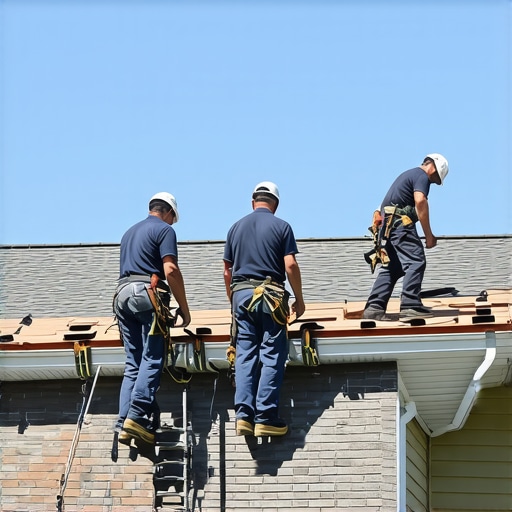
The Seductive Lie of the Quick Fix
Every few years, the same bad idea circles back around the industry like a recurring leak in a poorly flashed valley. Homeowners in the Northeast, from the wind-whipped coast of Maine down to the damp suburbs of Pennsylvania, start hearing the pitch from certain local roofers: ‘Why tear it off when we can just go over it?’ It sounds like a win. You save three grand on labor and disposal, the job is done in a day, and you get a fresh look. But after twenty-five years of performing forensic tear-offs, I can tell you that an overlay is often just a fancy way to bury a crime scene. My old foreman used to say, ‘Water is patient. It will wait for you to make a mistake, and an overlay is just a bigger target for it to aim at.’ He was right. When you layer shingles, you aren’t just adding protection; you’re changing the thermodynamics of your entire home.
1. The Physics of the ‘Oven Effect’ and Thermal Degradation
In our climate, we deal with massive temperature swings. When the sun beats down on a roof in mid-July, the surface temperature of a standard architectural shingle can easily hit 160°F. On a single-layer roof, that heat migrates through the shingle, hits the deck, and (ideally) escapes through a well-ventilated attic. When local roofers install a second layer, you’ve created a heat sink. The bottom layer of old, brittle shingles acts as an insulator, trapping heat against the underside of the new shingles. This is ‘Thermal Shock.’ The new shingles cook from both sides. Within five years, you’ll see ‘volcanoing’ or blistering where the oils in the asphalt have literally boiled to the surface. This isn’t just a cosmetic issue; it’s the functional death of the material. The shingles lose their granules, the fiberglass mat becomes exposed, and the ’30-year’ product you just paid for is effectively dead before it hits double digits.
“New roof coverings shall not be installed without first removing all existing layers of roof coverings where the existing roof has two or more applications of any type of roof covering.” — International Residential Code (IRC) R908.3
2. The ‘Shiner’ Epidemic and Fastener Failure
One of the most overlooked aspects of roofing is nail length and ‘draw.’ When we install a fresh roof on a clean deck, we use 1-1/4 inch galvanized nails. They bite into the 1/2-inch CDX plywood and stay there. In an overlay, local roofers have to use 1-3/4 inch or even 2-inch nails to penetrate two layers of asphalt and still hit the wood. Here is where it gets ugly. If that nail hits a gap in the old shingles or a knot in the wood, it doesn’t seat properly. We call these ‘shiners’ when they miss the rafter or fail to grab, but even worse is when they ‘back out.’ Over one winter-summer cycle, the expansion and contraction of the wood push those long nails upward. I’ve seen overlays where the nails literally lifted the second layer of shingles, creating a series of tiny tents that allow wind-driven rain to blow right underneath. This is capillary action at its worst; the water doesn’t just fall; it gets sucked upward into the fastener holes.
3. The Ice Dam Disaster: Why Overlays Fail in the Cold
If you live in a zone where the thermometer drops below freezing, your roof deck is your primary defense against ice dams. A proper roof replacement includes the installation of an Ice & Water shield—a thick, rubberized membrane that adheres directly to the plywood at the eaves and in the valleys. You cannot install this over old shingles. When local roofers do an overlay, they are skipping the most vital waterproofing component of the modern roof. When snow melts on your roof and refreezes at the cold eave, it creates a pool of standing water. Without that membrane bonded to the wood, the water backs up under the shingles, through the old layer, and finds the nail holes. I once investigated a forensic scene where the homeowner had a ‘brand new’ overlay, but their living room ceiling was on the floor. The ice had simply bypassed the new shingles and traveled through the old, dried-out felt paper underneath. It was like trying to stop a flood with a screen door.
“A roof is only as good as its flashing and its connection to the deck.” — Old Roofer’s Adage
4. Structural Load and the ‘Telegraphing’ Trap
A single ‘square’ (100 square feet) of asphalt shingles weighs between 230 and 320 pounds. For a standard 30-square home, you are talking about adding 9,000 pounds of dead load to your rafters. If your house was built in the 1970s or earlier, those rafters weren’t designed for a five-ton hat. I’ve walked on overlay roofs that felt like walking on a sponge; that’s the sound of rafters groaning and plywood sagging under the weight. Furthermore, shingles are flexible. If the old roof has any ‘fish-mouthing’ (curled edges) or humps, the new layer will ‘telegraph’ those imperfections. Within six months, your new roof will look just as lumpy and haggard as the old one. If you want a roof that actually protects your equity, you have to see the deck. You have to check for rot. You have to ensure the roofing companies you hire are looking at the ‘bones’ of the house, not just the skin. A shingle overlay is a temporary mask, not a permanent solution.