
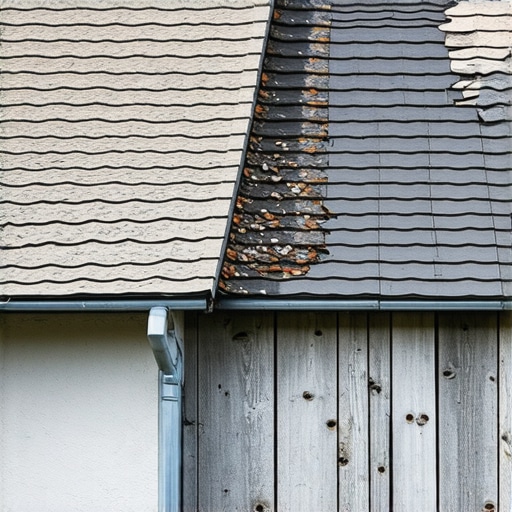
The Forensic Reality of the Ridge Line
The smell hits you first—that heavy, mushroomy scent of damp OSB and moldy insulation wafting through a soffit vent. By the time most homeowners call local roofers, the battle is already lost; we’re just there to perform the autopsy. I’ve spent twenty-five years climbing ladders, and if there is one thing I have learned, it is that the peak of your house is the most vulnerable square foot of real estate you own. It takes the brunt of the UV radiation, the highest wind speeds, and the most extreme thermal shifts. When we talk about ridge decay in 2026, we are looking at the consequences of the record-breaking heatwaves and erratic freeze-thaw cycles of the last few seasons finally catching up to aging materials. If you think a roof is just shingles slapped on plywood, you are the prime target for a ‘trunk slammer’ to take your money and run.
“The ridge of a sloped roof system is the primary point of exhaust for attic ventilation and must be protected against water infiltration through proper overlapping and specialized cap materials.” – National Roofing Contractors Association (NRCA) Guidelines
Walking on a roof that is suffering from advanced ridge decay feels like walking on a stale loaf of bread. I remember a call last November—a forensic scene if I ever saw one. The homeowner complained of a ‘small brown spot’ on the master bedroom ceiling. I climbed up, and as soon as my boot hit the ridge, the whole peak compressed three inches. I knew exactly what I would find underneath: a ridge vent that had been installed with 1-inch ‘shiners’—nails that missed the rafters entirely and were currently acting as tiny, rusted straws, sucking water directly into the structural timber. The ridge board was so rotted it looked like wet charcoal. That is the reality of neglecting the peak.
1. The ‘Scalloped’ Silhouette: Thermal Deformation
The first sign of 2026 ridge decay isn’t a leak; it is a visual distortion. When you stand back at the curb and look at your roofline against the sky, it should be a razor-sharp line. If it looks wavy or ‘scalloped,’ you are looking at the physics of thermal expansion gone wrong. Modern ridge caps are often made of a thicker, high-profile asphalt, but in high-heat zones, the constant 140°F attic temperatures cause the underlying plastic ridge vent to warp. This creates ‘fish-mouth’ gaps where the shingle lifts away from the vent. Once that gap exists, capillary action takes over. During a heavy rain, water doesn’t just fall; it clings to the underside of the shingle and travels uphill, sucked into the attic by the pressure differential created by your HVAC system. It is a slow, silent killer of roofing systems.
2. Granule Avalanches in the Gutter
Look at your downspout exits. If you see piles of granules that look like coarse coffee grounds, your ridge caps are likely balding. Because the ridge is the highest point, it receives ‘perpendicular solar impact’—the sun hits it at a direct 90-degree angle for hours. By 2026, many of the budget-grade shingles installed during the 2020 housing boom are reaching a critical failure point. When the granules fall off, the underlying bitumen (the oils that make the shingle waterproof) is exposed to UV rays. Within months, the asphalt dries out, cracks, and becomes as brittle as a potato chip. Professional roofing companies know that once the ridge loses its armor, the rest of the roof will follow within eighteen months.
3. The ‘Shiner’ Rust Bleed
A ‘shiner’ is a roofer’s term for a nail that missed the mark. On a ridge, these are lethal. If you go into your attic with a flashlight and look at the underside of the ridge board, you might see rows of rusted nail tips. In the winter, these nails become freezing cold. When warm, moist air from your house rises into the attic (due to poor air sealing), it hits those cold nails and condenses into frost. This is ‘attic rain.’ As the frost melts, it drips onto the insulation, leading to mold and wood rot. If you see rust streaks on your fascia boards or coming from under the ridge cap, the fasteners are failing. This isn’t just a repair; it is a structural warning sign that the local roofers you hired years ago didn’t understand the ‘stack effect’ of attic physics.
“Water is patient. It will wait for you to make a mistake, and once it finds a path, it will never stop following it.” – Old Roofer’s Adage
4. Compressed Ventilation Baffles
The 2026 climate has been brutal on cheap plastics. Many ridge vents installed a decade ago are made of injection-molded polymers that become brittle over time. Under the weight of heavy snow or even the repeated expansion of the roof deck, these vents can compress or ‘pancake.’ When the vent flattens, it chokes off the airflow. Your attic becomes a pressure cooker. This heat bakes the shingles from the inside out, leading to ‘blistering’—small bubbles in the asphalt that eventually pop and leave the mat exposed. If your second floor feels five degrees warmer than the first, or if your AC never stops running, your ridge ventilation has likely collapsed. You aren’t just paying for a roof repair; you are paying a massive ‘heat tax’ on your utility bill every single month.
The Band-Aid vs. The Surgery
When you call roofing companies to look at these issues, beware the man with a caulk gun. Smearing ‘black jack’ or silicone over a decaying ridge is like putting a band-aid on a gunshot wound. It might stop the drip for a month, but it traps the moisture inside the wood, accelerating the rot. A forensic-level fix involves stripping the ridge down to the square, inspecting the decking for structural integrity, and installing a high-flow ridge vent with stainless steel fasteners that can withstand galvanic corrosion. Anything less is just a countdown to the next disaster. In this trade, you get what you pay for—and if you pay for cheap, you will pay for it twice.
How to Inspect Your Ridge for Decay
A step-by-step guide for homeowners to identify ridge failure before it causes internal damage.
Visual Perimeter Check
Use binoculars to scan the ridge line from the ground. Look for lifted shingles or a ‘sawtooth’ appearance where caps should be flat.
Attic Light Test
On a sunny day, turn off the attic lights. If you see pinpricks of daylight along the ridge that aren’t uniform, you have gaps in your waterproofing.
The Gutter Audit
Check the base of your downspouts for excessive asphalt granules, which indicates the ridge caps are losing their protective layer.