
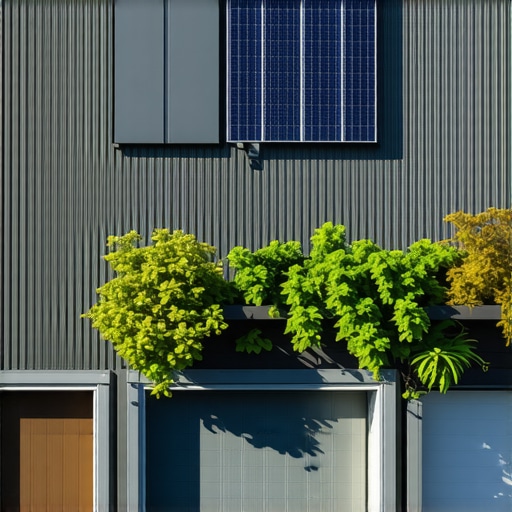
The Garage Roof: Not Just a Storage Cover
Most homeowners treat their garage roof like a forgotten stepchild until water starts dripping onto the hood of their car or their expensive power tools. Having spent over two decades in the trade, I have seen it all: from DIY disasters to ‘pro’ installs that leaked within a month. My old foreman used to say, ‘Water is patient. It will wait for you to make a mistake.’ As we look toward 2026, modernizing a garage roof isn’t about cosmetic upgrades; it is about forensic physics and resisting the increasingly erratic weather patterns hitting our region. Whether you are searching for roofing companies to handle a full tear-off or looking at local roofers for a structural upgrade, you need to understand the mechanics of what makes a roof survive. In the cold, damp climates we face, a roof is a multi-layered defense system. If one layer fails, the whole thing is just a timed fuse. Using roofing techniques from twenty years ago is a recipe for rot. Modernizing means looking at the garage as a conditioned or semi-conditioned space, especially since many people now use them as home offices or gyms.
1. The Science of the Substrate: Moving Beyond Felt
The biggest mistake I see when assessing a failing garage roof is the reliance on old-school organic felt paper. In 2026, a modern roof must utilize high-performance synthetic underlayments. Organic felt is basically paper soaked in asphalt; it becomes brittle, it absorbs moisture, and it tears during installation. When a roofer leaves a ‘shiner’—that is a nail that missed the rafter and sticks out through the plywood—it acts as a thermal bridge. In a cold climate, warm air from the garage hits that cold nail, moisture condenses, and it drips. If you have old felt, that moisture sits against the deck. Eventually, that plywood turns to mush. I have seen decks so soft they felt like walking on a sponge.
“The roof shall be covered with approved roof coverings in accordance with the manufacturer’s instructions.” – International Residential Code (IRC)
Modernizing means using a self-healing ice and water shield at the eaves and in any valley. We are talking about a rubberized asphalt membrane that grips the nail. When the temperature drops and the ice dams start to build, that membrane is the only thing standing between your structural rafters and a total loss. Capillary action is a beast; water can actually travel uphill under a shingle if the wind is right. A modern underlayment stops that physics experiment before it ruins your garage.
2. High-Performance Materials: Impact Resistance and Thermal Gaps
When you call local roofers, don’t just ask about the price per square. Ask about the Class 4 impact resistance rating. In 2026, the cost of asphalt is tied to oil prices, but the cost of a second replacement after a hail storm is even higher. Modernizing your garage roof involves choosing materials that can handle thermal shock. In the North, your roof might hit 140°F in the summer sun and then drop to -10°F in the winter. This expansion and contraction cycle creates stress at the fastener points. A modern shingle with a reinforced nail zone prevents ‘blow-offs.’ If you are looking at metal roofing, ensure it is installed with a thermal break. Without it, the metal ‘sweats,’ and you will have a rainstorm inside your garage even when the sun is out. I have walked onto many forensic scenes where the homeowner blamed a leak, but the culprit was actually massive condensation from a poorly planned metal roof modernization. We also need to talk about the cricket. If your garage is attached to the house and has a chimney or a large wall intersection, a properly framed cricket is essential to divert water. Without it, you are just building a swimming pool on your roof.
3. The Ventilation Engine: More Than Just a Ridge Vent
Modernizing a garage roof requires a total rethink of airflow. Most garages are under-ventilated. This leads to heat buildup that bakes the shingles from the inside out, effectively cutting their lifespan in half.
“Proper ventilation is as critical to roof performance as the shingles themselves.” – National Roofing Contractors Association (NRCA)
A 2026-spec garage roof needs a balanced system of intake and exhaust. If you have closed soffits, your ridge vent is useless. It is like trying to breathe through a straw while someone holds your nose. You need to ensure the roofing companies you hire are calculating the Net Free Ventilating Area (NFVA). If you are insulating the garage, you must maintain a 2-inch air gap between the insulation and the roof deck using baffles. Without that gap, you create a ‘hot roof’ scenario that voids most manufacturer warranties and leads to rapid shingle degradation. I have seen ‘modern’ garages where the plywood was charred black from heat—not from a fire, but from decades of slow cooking in a stagnant attic space. Modernization means installing smart vents or solar-powered fans that trigger based on humidity levels, not just temperature. This protects the structural integrity of your garage for the next thirty years, not just the next five.
The Warranty Trap and Choosing Your Contractor
Do not be fooled by ‘Lifetime Warranties.’ In the roofing world, those are often marketing fluff. They cover the material but not the labor, or they are pro-rated so heavily that by year ten, they are worthless. The true value is in the workmanship warranty. When searching for roofing pros, look for those who don’t just quote a price but explain the ‘why’ behind the system. If they aren’t talking about drip edges, starter strips, and ventilation ratios, they are just ‘trunk slammers’ looking for a quick buck. A modern roof is an investment in your home’s envelope. If you cut corners on the garage, it is only a matter of time before the rot spreads to the main structure. Take the time to vet local roofers by asking for their forensic approach to moisture management. It is the difference between a roof that lasts and a roof that just looks good for a season.