
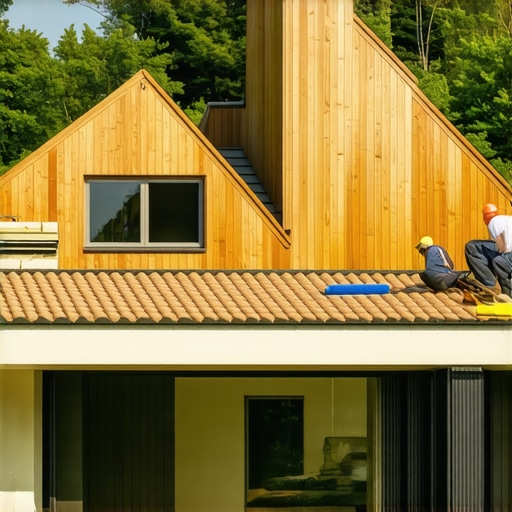
The Scent of Cedar and the Sting of Reality
If you have spent twenty-five years on a ladder like I have, you know the specific, earthy smell of a damp wood shake roof on a Tuesday morning. It is the smell of tradition, sure, but in the Pacific Northwest or the humid corridors of the Northeast, it is often the smell of money evaporating. I have spent decades performing forensic tear-offs where I found the previous crew—usually some ‘trunk slammers’ looking for a quick check—nailed the shakes directly to the plywood without a hint of interlayment. My old foreman used to pull me aside on those jobs and say, ‘Water is patient. It will wait for you to make a mistake, and then it will live in that mistake for ten years until the ceiling falls in.’ He was right. Wood shakes are a shedding system, not a waterproof barrier, and if your local roofers aren’t treating them with the respect physics demands, you are just buying a very expensive pile of mulch for your attic.
The Physics of Failure: Why Traditional Shakes Are Losing the War
To understand how to modernize a wood roof in 2026, you have to understand the ‘Mechanism of Decay.’ A standard cedar shake undergoes a constant cycle of expansion and contraction. When the sun hits a wet roof, the top of the shake dries faster than the underside. This creates ‘cupping’—that curling effect that looks charming in a painting but is a death sentence for a roof. As the shake curls, it creates a gap. Wind-driven rain then uses capillary action to climb upward under the shake, defying gravity. If there isn’t a heavy-duty 30-pound felt interlayment to catch that water and direct it back out, it hits the deck. Once that moisture is trapped between the wood and the deck, fungal spores move in. They don’t just sit there; they digest the lignin that holds the wood fibers together. By the time you see a leak in the kitchen, the structural integrity of the roof ‘square’ is already compromised.
“The roof covering shall be installed in accordance with the manufacturer’s installation instructions and the requirements of this section.” – International Residential Code (IRC) R905.1
Modernization Way 1: The Transition to High-Performance Synthetic Composites
In 2026, the best way local roofers are modernizing the ‘wood look’ is by ditching the wood entirely in favor of advanced polymer composites. These aren’t the cheap plastic shingles of the early 2000s. We are talking about materials engineered with UV inhibitors that prevent the ‘thermal shock’ common in the Southwest or the high-altitude sun of the Rockies. When I inspect these roofs, I’m looking for a Class A fire rating—something a natural cedar shake can only dream of without heavy chemical leaching. These synthetic shakes mimic the deep grooves and hand-split texture of real cedar but won’t absorb a drop of water. This means no moss, no rot, and no more worrying about the ‘taper’ of the wood failing after a decade of service. For roofing companies, this is the gold standard because it eliminates the ‘call-back’ culture caused by natural wood’s unpredictability.
Modernization Way 2: The ‘Breather’ System and Cold-Roof Design
If you are a purist and insist on real Western Red Cedar, the modernization happens underneath the wood. The old way of nailing shakes to solid sheathing is a relic of the past. Modern roofing requires a ‘Cedar Breather’ or a matrix-style venting mat. This creates a 1/4-inch air space between the shake and the deck. It allows the wood to dry from both sides simultaneously, drastically reducing the cupping and splitting that leads to leaks. In colder climates, we also look for ‘thermal bridging’ in the attic. If your attic is pumping heat into the roof deck, you get ice dams. The water melts, runs down to the cold eave, freezes, and backs up under the shakes. A modernized wood roof uses a heavy-duty ice and water shield at the eaves and a ventilated ridge to keep the entire system at the ambient outdoor temperature. If your roofing contractor doesn’t talk about ‘intake and exhaust’ balance, they are just shingle-flippers, not roofers.
Modernization Way 3: Stainless Steel Fasteners and Zinc Strips
I cannot tell you how many ‘shiners’ I have seen on wood roofs. A ‘shiner’ is a nail that missed the rafter or the batten and is just hanging out in the attic space, acting as a cold rod that collects condensation and drips onto your insulation. But even worse is using galvanized nails on a cedar roof. Cedar contains natural tannins—it’s what makes it rot-resistant—but those tannins are acidic. They will eat through a standard galvanized nail in fifteen years. You’ll see those ugly black streaks running down the roof; that’s the metal literally dissolving. Modernizing in 2026 means using 304 or 316 stainless steel ring-shank nails. They won’t corrode, and they have the ‘withdrawal resistance’ to stay put during high-wind events. Furthermore, we now integrate zinc or copper strips at the ridge. When it rains, a tiny amount of metallic carbonate washes down the roof, killing algae and moss spores before they can take root in the wood fibers.
“A roof is only as good as its flashing.” – Old Roofer’s Adage
The Trap of the ‘Lifetime’ Warranty
Every local roofer is going to throw the word ‘Lifetime’ at you. In the trade, we know that ‘Lifetime’ usually refers to the expected life of the product under laboratory conditions, not a real-world environment where a 100-foot oak tree is dropping acidic leaves on your North-facing slope. When you are looking at roofing companies, ignore the glossy brochure and look at their ‘flashing’ details. Are they using ‘Step Flashing’ at the sidewalls, or are they lazily running a single strip of ‘L-metal’ and gobbing it with caulk? Caulk is a maintenance item; it is not a roofing material. A modernized wood shake system relies on mechanical water shedding—metal tucked under wood, layered correctly to ensure gravity is always on your side. If you see a roofer reach for a tube of sealant to fix a ‘valley’ transition, fire them on the spot. Valleys are the high-traffic highways of your roof; they need wide, open metal channels to move water off the structure as fast as possible.
The Final Forensic Verdict
Modernizing a wood shake roof in 2026 isn’t just about the aesthetics; it is about outsmarting the elements. Whether you go with a synthetic composite that can withstand a hail storm or a traditional cedar system with a 21st-century ‘breather’ mat, the goal is the same: moisture management. Don’t let a contractor tell you that wood is ‘old school’ and doesn’t need a plan. It needs a better plan than any other material because it is organic and it wants to return to the earth. Invest in the stainless fasteners, demand the proper interlayment, and ensure your ventilation is balanced. Anything less is just waiting for the rot to start.