
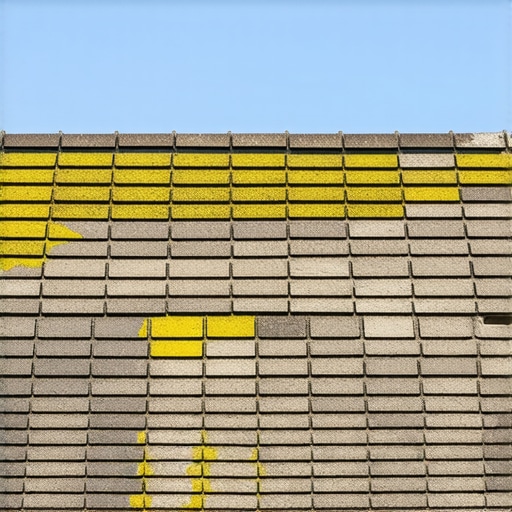
The Crime Scene on Your Rafters: A Forensic View
Walking on a roof that is reaching its expiration date doesn’t feel like walking on a building component; it feels like walking on a sponge that has been left in the sun for a month. I remember a job last October where the homeowner swore the roof was fine because they couldn’t see any leaks in the attic. I stepped onto the north-facing slope and my boot didn’t just grip; it sank. I knew exactly what I’d find underneath: a ecosystem of rot fueled by two decades of slow, patient water infiltration. You see, water is the most patient predator on earth. It doesn’t need a hole the size of a fist; it just needs a microscopic fracture and the law of capillary action to pull itself uphill against gravity. By the time you see a brown circle on your ceiling, the ‘crime’ happened years ago. In the world of local roofers, we aren’t just installers; we’re investigators. As we look toward the housing stock hitting its mid-life crisis in 2026, you need to understand the physics of failure before you’re staring at a $30,000 deck replacement bill.
“A roof system shall be designed and installed in accordance with this code and the manufacturer’s installation instructions.” – International Residential Code (IRC), Chapter 9
1. The Bitumen Divorce: Granule Loss and UV Oxidation
The first sign of 2026 shingle aging isn’t a leak; it’s a pile of ‘sand’ in your gutters. Those granules aren’t there for aesthetics. They are the sacrificial armor of the shingle. Their job is to block UV radiation from reaching the asphalt (bitumen) underneath. When the sun hits an unprotected shingle, it triggers a chemical process called oxidation. The oils that keep the asphalt flexible begin to evaporate, leaving behind a brittle, carbon-heavy shell. Think of it like a loaf of bread left on the counter. Once that moisture is gone, it cracks the moment you bend it. When you look at your roof, don’t just look for missing shingles. Look for ‘bald spots.’ When the granules are gone, the sun cooks the fiberglass matting. Once that mat is exposed, it acts like a wick. It literally sucks water into the core of the shingle through surface tension. Any roofing companies worth their salt will tell you that once you see the shiny fiberglass fibers peeking through, the shingle’s hydrophobic properties are dead. It’s no longer a roof; it’s a filter.
2. The Thermal Curl: Why Molecular Migration Matters
Shingles don’t just sit there; they breathe. They expand in the 140°F heat of a summer afternoon and contract in the bitter cold of a winter night. This thermal cycling eventually leads to ‘curling’ or ‘cupping.’ This isn’t just an ugly look; it’s a structural failure of the shingle’s internal chemistry. As the plasticizers—the chemicals that allow for flexibility—migrate out of the shingle due to heat, the top layer of the asphalt shrinks faster than the bottom layer. This creates a mechanical tension that pulls the corners upward. Once those corners lift, you’ve lost your seal. Now, a 40-mph wind doesn’t just blow over the roof; it gets *under* the shingle. This is where the physics of uplift comes into play. A curled shingle acts like a sail. It creates a low-pressure zone that can actually pull the shingle right off the nail heads. If you see shingles that look like they’re trying to peel themselves off the roof, you’re looking at a system that has lost its structural integrity. Local roofers often see this on the south-facing slopes first, where the thermal shock is most aggressive.
“The primary purpose of a roof is to shed water, but its secondary purpose is to manage the energy and air flow of the structure below.” – National Roofing Contractors Association (NRCA)
3. The Ghost of the Shiner: Mechanical Fastener Fatigue
Sometimes the aging isn’t in the shingle itself, but in how it’s held down. Let’s talk about the ‘shiner.’ That’s a nail that was driven in crooked or missed the framing member entirely, leaving the shank exposed to the elements. Over twenty years, that nail undergoes a process of thermal bridging. Because the nail is metal, it gets colder than the surrounding wood and shingles at night. Moisture in the attic air condenses on that cold nail head, causing it to rust. That rust then eats away at the hole in the shingle, making it larger. Eventually, the nail ‘pops.’ A popped nail pushes the shingle above it upward, creating a tiny ‘tent’ where water can collect. This is where capillary action is most dangerous. Water hits that tent, moves sideways, and finds the nail hole. From there, it’s a straight shot to your plywood. If your roof looks ‘bumpy’ when the sun hits it at an angle, you’ve got fastener fatigue. It’s not just an old roof; it’s a leaky sieve waiting for the next big storm. Roofing companies that rush their installs often leave dozens of these ‘time bombs’ across a single square (that’s a 100-square-foot area, for the laypeople). By 2026, those mistakes will have had enough time to rot the surrounding OSB into something resembling wet cardboard.
The Surgery: Why You Can’t Just Patch the Future
When I see a roof with these three symptoms, I tell the homeowner the truth: you can’t put a band-aid on a gunshot wound. You can slather caulk on a curled corner, but you aren’t fixing the molecular breakdown of the asphalt. You’re just trapping moisture underneath. The only real fix is a full tear-off. We need to get down to the deck, inspect the cricket—that small peaked structure behind the chimney that diverts water—and ensure the flashing is integrated correctly. If you wait until the water is dripping on your dining table, you aren’t just paying for a roof. You’re paying for new insulation, new drywall, and a mold remediation team. The cost of a roof in 2026 will be significantly higher if the structure underneath is compromised. Don’t listen to the ‘trunk slammers’ who say they can just nail a new layer over the old one. That just traps the heat and doubles the weight, accelerating the death of your rafters. Real local roofers know that a roof is a system, and like any system, when the components reach their physical limit, the only way forward is a fresh start.