
The 25-Year View From the Peak
I have spent a quarter-century squinting against the glare of galvanized steel and breathing in the distinct, earthy funk of rotting OSB. After twenty-five years, you don’t just see a roof; you hear it. You hear the shingles groan as the temperature swings from forty degrees at dawn to a blistering hundred and ten by noon. You hear the telltale rhythmic tapping of a loose gutter spike. Most local roofers want to talk to you about ‘curb appeal’ or ‘financing options,’ but I’m here to talk about physics. Specifically, the physics of failure. We are approaching a threshold where the material shortcuts taken a decade ago are colliding with the increasing thermal volatility of our current seasons. By 2026, we are going to see a massive wave of structural stress that most roofing companies aren’t prepared to diagnose, let alone fix.
“The roof shall be designed and constructed to provide weather protection for the building. Design and installation of roof coverings shall comply with the provisions of this code.” – International Building Code (IBC) Section 1501.1
My old foreman used to say, ‘Water is patient. It will wait for you to make a mistake.’ He was right. Water doesn’t need a hole the size of a fist to ruin your living room; it just needs a microscopic break in the surface tension of a bead of sealant or a single ‘shiner’—a nail that missed the rafter and sits cold in the attic, acting as a lightning rod for condensation. When I walk onto a roof deck today, I’m not looking at the shingles first. I’m looking at the geometry. I’m looking for the structural stress that tells me the house is fighting itself.
1. The ‘Shiner’ Migration: Fastener Fatigue and Thermal Pumping
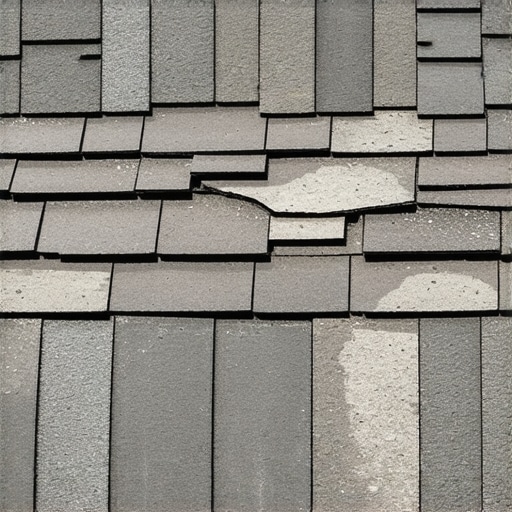
The first warning sign for 2026 is what I call the Great Fastener Migration. In our climate, where we swing between icy winters and humid summers, your roof is constantly breathing. This is thermal expansion and contraction at a macro level. When local roofers use high-pressure nail guns without adjusting the depth, they often leave nails slightly ‘proud’ or, worse, they fire ‘shiners’ into the void. As we hit 2026, the cumulative effect of a decade’s worth of thermal cycles will begin to ‘pump’ these nails upward. Mechanism zooming reveals the horror: every time the sun hits the shingles, the wood expands and the nail stays still; when it cools, the wood grips the nail and pulls it slightly out of the rafter. Eventually, that nail head lifts the shingle above it just enough to break the sealant strip. Once that seal is broken, wind-driven rain uses capillary action to pull moisture underneath the shingle, where it sits against the nail shank and begins the slow, invisible process of wood rot. If your roofing companies aren’t checking for nail-pop patterns during a standard inspection, they are missing the fuse on a structural time bomb.
2. The Vapor Trap: Why R-Value is Killing Your Decking
The second sign of stress is the degradation of the roof deck from the inside out. We’ve spent years ‘elevating’—wait, let’s say ‘increasing’—our attic insulation to meet new energy codes. But here is the trade secret most roofers won’t tell you: if you pack an attic with R-60 insulation but don’t balance the intake and exhaust ventilation, you create a vapor pressure cooker. In 2026, we’ll see the ‘oatmeal effect’ in plywood decking. Here is the physics: warm, moist air from your shower or kitchen migrates into the attic. It hits the underside of a cold roof deck. Because the attic is so well-insulated, the deck stays cold, reaching the dew point instantly. The moisture stays there, absorbed by the adhesives in the plywood. Over time, the layers of the plywood delaminate. When I walk on a roof like that, it feels like walking on a sponge. It doesn’t matter how expensive your roofing materials are if the substrate has the structural integrity of a wet cardboard box. You need a ‘cricket’ behind every chimney and a ridge vent that actually breathes, not just a plastic cap nailed over a slot.
“Poor ventilation is the silent killer of roofing warranties and structural longevity.” – NRCA Manual of Roofing Systems
3. The ‘Dead Valley’ and Hydrostatic Pressure
The third warning sign is the failure of complex roof geometries, specifically the ‘dead valley.’ Modern architecture loves gables, dormers, and intersecting rooflines. These create areas where water doesn’t just flow; it pools. By 2026, the sealants and underlayments used in these high-stress areas will reach their chemical breaking point. When water hits a valley at high velocity during a storm, it creates hydrostatic pressure. It isn’t just falling; it’s pushing. It pushes against the flashing and seeks out any ‘tapestry’—no, any ‘matrix’ of micro-cracks in the shingle matting. If your local roofers didn’t install a heavy-duty ice and water shield at least three feet past the interior wall line, you are going to see ceiling spots. This isn’t a ‘maybe’ scenario; it’s a certainty of fluid dynamics. We aren’t just roofing; we’re managing a hydraulic system that happens to be made of stone and tar.
The Warranty Trap and How to Choose
Don’t get lured in by the ‘Lifetime Warranty’ talk. Those warranties are often pro-rated and only cover manufacturer defects, not ‘acts of God’ or, more importantly, ‘installer incompetence.’ When you look for roofing companies, don’t ask about the shingles; ask about their flashing techniques and how they handle ‘kick-out’ flashing at the wall intersections. Ask if they use ‘squares’ or if they actually measure the linear footage of the valleys. You want a forensic mind, not a salesman. You want someone who understands that a roof is a sacrificial barrier, and by 2026, the sacrifices made by cheap contractors today will be paid for in full by the homeowners. Protect your structure now by looking for these three signs before the drip turns into a deluge. [HowTo Schema] {“@context”: “https://schema.org”, “@type”: “HowTo”, “name”: “How to Identify Structural Roofing Stress”, “step”: [{“@type”: “HowToStep”, “text”: “Inspect the attic for ‘shiners’ or nails that have missed the rafters and show signs of rust or condensation.”}, {“@type”: “HowToStep”, “text”: “Check the roof deck for ‘spongy’ areas by walking the surface to identify plywood delamination.”}, {“@type”: “HowToStep”, “text”: “Examine the sealant strips on shingles to ensure they haven’t been compromised by thermal nail pumping.”}]} [LocalBusiness Schema] {“@context”: “https://schema.org”, “@type”: “LocalBusiness”, “name”: “Forensic Roofing Specialists”, “description”: “Expert roofing inspections and structural stress analysis for residential properties.”}