
The Anatomy of a Dying Roof: Why Your 2026 Replacement is Already Failing
I’ve spent three decades crawling through attics that felt like the belly of a dying whale. I’ve seen plywood that looked like it’d been through a woodchipper because someone thought they could outsmart the laws of physics. My old foreman used to say, ‘Water is patient. It will wait for you to make a mistake.’ He was right. Most local roofers can hammer a nail, but they couldn’t explain the stack effect if their life depended on it. As we push toward 2026, building codes are getting tighter, and materials are getting more sensitive. If you don’t get the balance right, you’re not buying a roof; you’re buying a very expensive science experiment that ends in mold and structural rot.
“Effective attic ventilation requires a balanced system of intake at the eaves or soffits and exhaust at or near the ridge.” – NRCA (National Roofing Contractors Association) Manual
When I talk about an ‘unbalanced’ roof, I’m not talking about the pitch or the aesthetics. I’m talking about the invisible war between air pressure and moisture. A roof is a breathing organism. It needs to inhale cool air from the soffits and exhale hot, moist air through the ridge. When that rhythm breaks, the physics of failure take over. You’ll start to see the signs before the first leak ever hits your ceiling, but by then, the deck is already toast.
Sign 1: The ‘Crispy’ Shingle and Thermal Stress
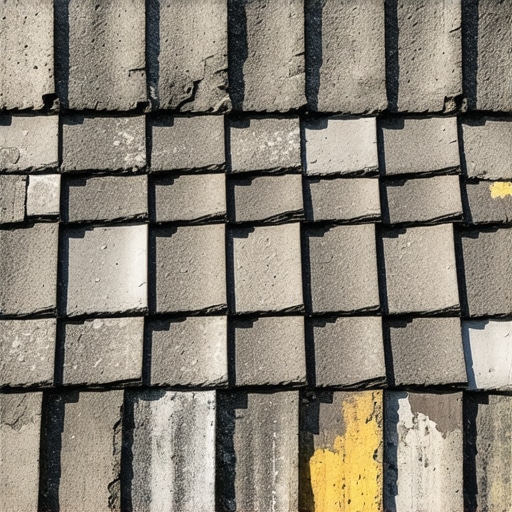
Go outside and look at your roof during a hot afternoon. Do the shingles look like they’re trying to peel themselves off the deck? That’s thermal shock. In an unbalanced system, your attic becomes a pressurized oven. I’ve seen attic temperatures hit 160°F while it’s only 90°F outside. This heat doesn’t just sit there; it attacks the asphaltic oils in your shingles from the bottom up. Local roofers who skip the intake vents are essentially baking your roof. The shingle dries out, loses its granules, and becomes brittle. It’s like a saltine cracker. You’ll see the edges curl—what we call ‘fish-mouthing.’ This isn’t a material defect; it’s a ventilation crime. The heat accelerates the molecular breakdown of the bitumen, leaving you with a 30-year shingle that dies in ten.
Sign 2: The ‘Attic Rainforest’ and Vapor Pressure
This is the one that gets the trunk slammers every time. They seal up a roof too tight without thinking about where the moisture goes. Every time you shower, boil pasta, or even breathe, you’re pumping moisture into the air. That vapor travels upward via capillary action and hydrostatic pressure. If the exhaust is higher than the intake, or if there’s no intake at all, that moisture gets trapped against the underside of your plywood. I’ve walked into attics in the dead of winter where it was literally raining inside. The frost forms on the tips of the ‘shiners’—those missed nails that went through the rafters—and then melts when the sun hits the roof. By the time you see a brown spot on your drywall, the plywood has already turned to oatmeal. You can poke a screwdriver right through it. This is why local roofing companies need to be forensic in their approach to the entire building envelope, not just the shingles.
Sign 3: The Ice Arch and the Stack Effect
In colder regions, an unbalanced roof is an ice dam factory. When heat leaks from your living space into the attic because of poor insulation or blocked intake vents, it warms the roof deck. The snow melts, runs down to the cold eaves, and freezes. But here’s the mechanism zooming you need to understand: it’s the lack of ‘wash’ across the underside of the deck. Without a steady stream of cold air entering the soffits, the heat stays localized. It creates a temperature gradient that forces water to back up under the shingles. I’ve seen dams three inches thick that ripped gutters clean off the fascia boards. If your local roofers didn’t install a cricket behind your chimney or failed to calculate the net free area of your vents, you’re going to be fighting these dams every winter until the wood rots out.
“A roof is only as good as its flashing.” – Old Roofer’s Adage
The Material Truth: Asphalt vs. The World
As we look toward 2026, the ‘standard’ install is changing. You’ve got options, but most of them are garbage if the skeleton is weak. Asphalt shingles are the workhorse, but they are the most susceptible to heat damage. Metal roofing is great for reflecting UV, but if you don’t have a thermal break or proper venting, it turns your house into a giant capacitor, holding onto heat long after the sun goes down. Synthetic slate is the new darling of the industry, but it expands and contracts like crazy. If a roofer pins those down too tight without accounting for thermal expansion, they’ll buckle and pop the nails right out of the deck. I tell my clients: don’t worry about the ‘lifetime’ warranty on the box. That warranty is a marketing gimmick. It doesn’t cover ‘improper installation,’ which is exactly what an unbalanced roof is.
The Math of the ‘Square’
When you’re getting quotes from roofing companies, ask them how many squares they’re bidding and how they calculated the ventilation. A ‘square’ is 100 square feet. If they just eyeball the vents based on what was there before, fire them. The 1:150 rule is the industry standard—1 square foot of ventilation for every 150 square feet of attic floor space. But that has to be split 50/50 between intake and exhaust. If you have too much exhaust and not enough intake, the ridge vent will actually start pulling air from your bathroom fans or, worse, sucking conditioned air out of your house. It creates a vacuum that wastes your money and kills your comfort. You want a roofer who carries a calculator, not just a hammer.
How to Spot a Real Pro in 2026
Stop looking at the fancy trucks and look at the details. A real pro will check your valleys for proper underlayment. They’ll look at the flashing around your dormers. They’ll talk to you about the ‘drip edge’ and why it matters for keeping water away from your rafter tails. If they don’t mention your soffits, they aren’t finishing the job. I’ve fixed enough ‘cheap’ roofs to know that the most expensive roof you’ll ever buy is the one you have to pay for twice. Make sure they use stainless or high-quality galvanized nails to avoid the ‘shiner’ rust-out. Make sure they respect the cricket. Most importantly, make sure they understand that a roof isn’t just a lid—it’s a lung. If it can’t breathe, it can’t protect you.