
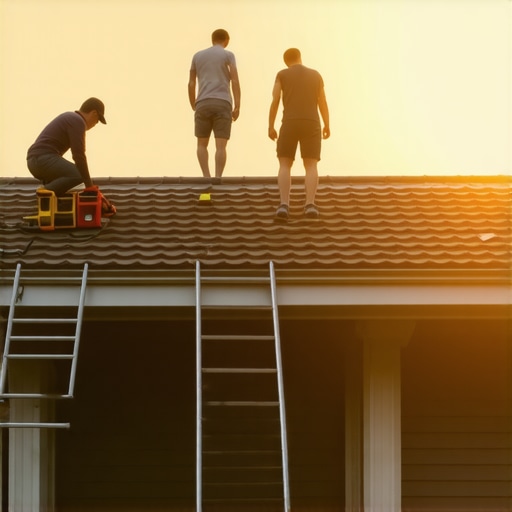
The 140-Degree Attic and the Smell of Wet Pine
I’ve spent the better part of three decades crawling through cramped, dark attic spaces where the air is so thick with the scent of damp sawdust you can almost taste it. In 2026, you’d think we would have solved the basic physics of keeping a house dry, but here we are. I see the same train wrecks every week. Homeowners think they are buying a product—a pile of shingles—but what they are actually buying is a complex managed-pressure system. When that system fails, it doesn’t just drip; it breathes. My old foreman used to say, ‘Water is patient. It will wait for you to make a mistake.’ He was right. Water doesn’t need a hole the size of a fist; it just needs a microscopic path and a little bit of capillary action to turn your expensive vaulted ceiling into a petri dish. If you are looking at local roofers or scrolling through roofing companies, you are likely about to make one of three mistakes that will cost you twenty grand before the decade is out.
Mistake 1: Falling for the ‘Lifetime Warranty’ Shell Game
Let’s get one thing straight: the term ‘Lifetime’ in the roofing industry is a marketing sedative. It’s designed to make you stop asking questions. Most homeowners in the Northeast hear ‘lifetime’ and assume they’ll never see a roofing hammer again. But look at the fine print. In the world of asphalt shingles, that warranty often covers ‘manufacturing defects.’ Do you know how often a shingle actually has a manufacturing defect? Rarely. Most failures are installation-related or environmental. If a shiner—that’s a nail that missed the rafter and is sticking through the roof deck—starts sweating condensation every winter because of thermal bridging, that isn’t a manufacturer defect. That’s a ‘your-roofer-was-in-a-hurry’ defect. When the wind-driven rain gets pushed up under the course because the starter strip was skipped, the manufacturer will laugh you off the phone. The true cost of a roof is the labor and the integrity of the person holding the nail gun. Roofing companies often disappear after five years, leaving you with a piece of paper from a manufacturer that won’t cover a cent of the labor to fix a leak. Asphalt is a petroleum product. In the heat of July, those shingles reach 160 degrees. They expand, they contract, and they shed granules like a dry-skinned dog. By 2026, the chemistry of shingles has changed to meet environmental standards, making them more prone to algae streaks if your local roofers didn’t specify a high-zinc or copper granule content. Don’t buy a warranty; buy a contractor’s reputation for forensic-level detail.
“A roof is only as good as its flashing.” – Old Roofer’s Adage
Mistake 2: Ignoring the Physics of Ice Dams and Attic Bypasses
If you live where the thermometer drops below freezing, your roof isn’t just a lid; it’s a thermal regulator. The biggest mistake I see when people hire local roofers is ignoring what’s happening underneath the shingles. It’s the ‘Ice and Water Shield’ trap. People think that as long as they have that sticky membrane at the eaves, they are safe from ice dams. Wrong. An ice dam is a symptom of a fever. The fever is warm air leaking from your living room into your attic. We call these ‘attic bypasses.’ Think about your light fixtures, your plumbing stacks, or your poorly sealed attic hatch. This warm air rises, hits the underside of the roof deck, and melts the snow sitting on top of the shingles. That meltwater runs down to the cold eave, where it freezes into a block of ice. Then, the water backs up. This is where the physics gets ugly. Through capillary action, that standing water finds its way between the laps of the shingles. If your roofer didn’t install a proper drip edge or if they didn’t account for the R-value of your insulation, you are just building a glacier on your house. I’ve seen 3/4-inch plywood turn to delaminated mush because of a ‘thermal bridge’—where a metal fastener transfers the cold from the outside to the warm, moist air inside, creating a constant drip. It’s a slow-motion disaster. You need to ask roofing companies about their ventilation plan. If they aren’t talking about Net Free Ventilating Area (NFVA) or checking your soffit intake, they aren’t roofers; they are shingle-slappers.
Mistake 3: The ‘Lowest Bid’ Race to the Bottom
The third mistake is the most common: the hunt for the cheapest ‘square’ price. In the trade, a square is a 10-by-10-foot area. You might get a quote that’s three thousand dollars lower than the rest. Why? Because that contractor is cutting the stuff you can’t see. They are reusing old lead boots on your plumbing vents. They are skipping the cricket—that small peaked structure behind a chimney that diverts water. Without a cricket, a chimney is just a dam that catches debris and holds moisture against the masonry. They are using galvanized nails instead of stainless steel in high-salt or high-moisture areas. They are skipping the valley metal and just ‘weaving’ the shingles, which creates a thick, lumpy mess that traps leaves and stays wet for days. Or worse, they are hiring ‘trunk slammers’ who don’t carry workers’ comp. If a guy falls off your roof and he isn’t insured, you aren’t just getting a new roof; you are getting a lawsuit. A professional roofing company in 2026 should be using drone tech for initial measurements, sure, but they still need to get on a ladder and feel the deck with their own feet. Walking on a roof tells you everything. You can feel the ‘give’ where the plywood is thin or the fasteners have backed out. If your local roofers didn’t spend at least twenty minutes on your peak during the estimate, they are guessing. And in roofing, a guess is a leak waiting for a rainy Tuesday.
“The building envelope shall be designed and constructed to prevent the accumulation of water within the wall assembly.” – International Residential Code (IRC)
The Forensic Verdict: How to Protect Your Investment
In 2026, the climate is more volatile. We get more ‘micro-burst’ wind events and heavier snow loads. You need a roof that is over-engineered. This means triple-checking the flashing at every wall intersection. It means ensuring that the ice and water shield goes at least two feet past the interior wall line, not just the first three feet of the roof. It means choosing a material—whether it’s high-impact asphalt, standing seam metal, or synthetic slate—that matches the physics of your specific home. Don’t let a salesman with a tablet talk you into a ‘quick fix.’ A roof replacement is a surgical procedure for your home. If you ignore the small details like the starter course, the ridge vent baffles, or the quality of the underlayment, you’ll be calling me in five years to do a forensic tear-off. And trust me, I’m much more expensive when I have to fix someone else’s mess. Look for local roofers who can explain the ‘why’ behind their technique, not just the ‘how much’ of their price. Your home is a system. Treat the roof like the crown it is, or get ready to buy a lot of buckets.