
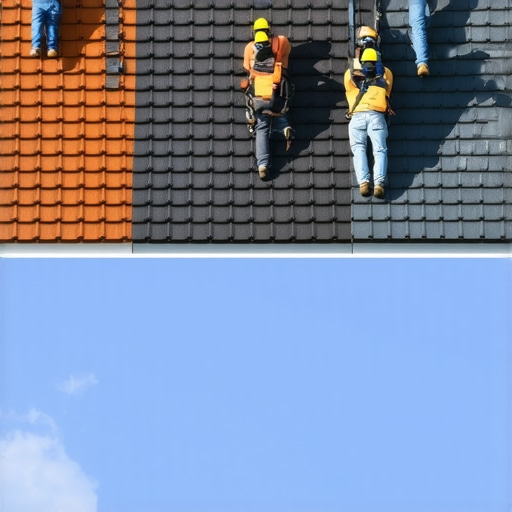
The Aesthetic Trap: Why Color Choice Is a Forensic Decision
Most homeowners pick a shingle color like they pick a shirt—they look at a tiny sample board, squint at the sun, and say, ‘That looks nice.’ As a guy who has spent three decades tearing off those ‘nice’ choices, I can tell you that color is a physical property, not just a design preference. In our northern climate, where the transition from a 90°F summer afternoon to a -10°F winter night happens faster than a homeowner can find their snow shovel, your roof is under constant mechanical stress. I once stood on a roof in a quiet suburb where the shingles felt like a trampoline under my boots. The owner had insisted on a deep, obsidian black to match their modern-farmhouse aesthetic but neglected the attic ventilation. That roof wasn’t just old; it was cooked. The plywood underneath had the structural integrity of a wet cracker. This is the reality of roofing that local roofers won’t always tell you during the sales pitch: the darker the shingle, the higher the thermal load on your decking.
The Physics of Pigment and the 2026 Palette
When we talk about the best shingle colors for 2026, we are looking at a shift toward ‘Muted Naturalism.’ Manufacturers are finally moving away from the stark, high-contrast blends of the early 2000s and toward colors that mimic geological formations. But before you fall in love with a swatch, let’s talk about thermal expansion. Every time the sun hits your roof, those asphalt shingles expand. When the sun goes down, they contract. A darker shingle can reach surface temperatures of 160°F or higher. If your roofing companies aren’t checking your ridge vents and soffit intake, that heat stays trapped, baking the oils out of the asphalt and leading to premature granule loss. You’ll see it in your gutters first—a layer of sandy silt that looks like coffee grounds. That’s the lifeblood of your roof washing away because the shingles couldn’t handle the heat.
“Roofing systems must be designed to withstand the cyclic thermal movements of the materials without loss of function.” — National Roofing Contractors Association (NRCA) Manual
1. Iron Ore: The New Standard for Modern Elegance
For 2026, the first standout color is a deep, matte gray known in the trade as ‘Iron Ore.’ It’s a step away from the harsh jet blacks of the past. From a forensic perspective, this color is a winner because it uses more reflective granules than traditional black. When local roofers install this, they are providing a sophisticated look that hides the shadow lines of the shingles, making the roof look like a monolithic stone surface. However, you must ensure they use a high-quality Ice & Water Shield in the valleys. Because dark colors absorb more heat, they can cause faster snow melt in winter. If that water hits a cold eave, it refreezes, creating an ice dam. If your contractor is ‘saving you money’ by skipping the membrane at the edges, that Iron Ore roof will be the reason your drywall is peeling by February.
2. Frosted Cedar: The Bridge Between Wood and Stone
The second color gaining massive traction for 2026 is ‘Frosted Cedar.’ This isn’t your grandfather’s orange-tinted oak shingle. It’s a complex blend of cool grays, tans, and hints of slate. This is a brilliant choice for homeowners who want the look of natural wood without the fire hazard and the inevitable rot. The beauty of this color blend is its ability to mask thermal bridging. On very cold mornings, you can sometimes see the outline of the rafters on a roof—that’s heat escaping from the house. A multi-toned shingle like Frosted Cedar breaks up those visual patterns. When hiring local roofers for this install, watch their nailing pattern. If they hit a shiner—a nail that misses the framing and stays exposed—the complex color of the Cedar shingle will actually make the rust streak more visible over time. You want a crew that knows how to hit the nail strip every single time, especially on a square (100 square feet) with 400 nails.
3. Bayside Blue: The Cooling Trend
Third on the list is ‘Bayside Blue,’ a slate-blue hybrid that reflects the industry’s move toward ‘Cool Roof’ technology. This color is specifically engineered with infrared-reflective granules. In a forensic audit of energy bills, homes with these lighter, reflective tones often show a 10-15% reduction in cooling costs during peak summer. But here is the trade secret: blue and light gray shingles show algae streaks (Gloeocapsa magma) much faster than darker colors. If you live in a humid area, you must demand shingles with copper or zinc granules embedded in the mix. Without that chemical protection, your beautiful Bayside Blue roof will have black streaks running down it within five years, especially on the north-facing slopes where the sun doesn’t dry the dew quickly enough. Roofing isn’t just about the top layer; it’s about the chemistry of the surface.
“The roof is the most important part of the building envelope, yet it is the most neglected until a failure occurs.” — Architectural Axiom
The Anatomy of a High-Performance Installation
Picking the color is only 10% of the battle. The other 90% is the stuff you can’t see from the curb. When local roofers arrive at your house, they should be talking about more than just a dumpster and a crew. They should be discussing the cricket—that small peaked structure they need to build behind your chimney to divert water. Without a cricket, water pools against the masonry, eventually finding a way through the counter-flashing. I’ve investigated countless leaks where the shingle was brand new and perfectly colored, but the installer treated the chimney like a flat wall. Water is patient; it will find a way through a 1/16th-inch gap in the caulking once the hydrostatic pressure builds up during a heavy downpour.
Then there’s the issue of ‘racked’ vs. ‘stair-step’ installation. Some roofing companies will ‘rack’ the shingles, meaning they install them straight up the roof in a column. It’s faster, but it’s a forensic nightmare. It creates a vertical seam that is prone to water infiltration. A true pro uses the stair-step method, ensuring that every offset is precisely measured. When you’re spending thousands on a new 2026 designer color, don’t let a ‘trunk slammer’ ruin the longevity of the material for the sake of finishing the job four hours early. Ask your local roofers for their staggering pattern before they even tear off a single old shingle.
The Warranty Illusion
You’ll hear the words ‘Lifetime Warranty’ tossed around like candy. In the roofing world, that word is often more about marketing than protection. Most of those warranties only cover manufacturing defects—the shingle itself falling apart. They rarely cover the labor to replace it if the roofing was installed incorrectly. If a ‘shiner’ causes a leak three years from now, the manufacturer will blame the installer, and the installer will be gone. This is why choosing a color for 2026 must be paired with choosing a contractor with a physical office and a track record. You aren’t just buying 30 squares of asphalt; you’re buying the peace of mind that when a 60-mph wind gust tries to lift your new Iron Ore shingles, the uplift rating is actually being met because the nails were driven into the decking, not just the air space in the attic.
How to Filter Your Local Options
When you start calling local roofers, don’t just ask for a quote. Ask for a forensic assessment. Ask them how they plan to handle the drip edge at the raking edges. Ask them if they use synthetic underlayment or the old-fashioned #15 felt that dries out and becomes brittle like parchment paper. A modern roof is a system, not a layer. The 2026 colors are designed to look great, but their performance depends on the airflow beneath them. If your contractor doesn’t pull out a calculator to figure out the NFA (Net Free Area) of your ventilation, they aren’t a roofer—they’re a shingle applicator. There is a massive difference. You want a roofer who understands that a roof needs to breathe just as much as it needs to shed water.
This post offers a really insightful look into the technical and aesthetic aspects of choosing shingle colors. I especially appreciate the emphasis on how darker colors like Iron Ore, while sleek and modern, can contribute to thermal stress during harsh winters — a factor often overlooked by homeowners. I’ve seen firsthand how neglecting proper attic ventilation, combined with a dark roof, leads to rapid deterioration and even interior issues like peeling drywall. The point about the importance of quality installation is dead-on; I’ve noticed even a small mistake, like misplacing a nail, can make complex-colored shingles, such as Frosted Cedar, look unsightly over time. Has anyone here had experiences with Bayside Blue and noticed algae buildup in humid climates? From what I’ve read, copper or zinc granules are key to maintaining its appearance and performance long-term. I wonder how homeowners can best balance these aesthetic and performance considerations when selecting a color? Would love to hear some practical tips from others who have recently gone through this process.