
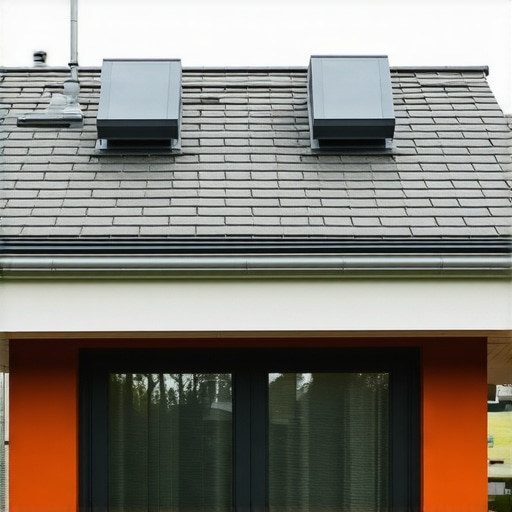
The Forensic Autopsy of a ‘Sweating’ Attic
Last week, I crawled into an attic in a neighborhood where the homes are barely ten years old. The homeowner was complaining about a mystery leak that appeared every winter, right around the time the mercury dropped below freezing. Most local roofers would have glanced at the shingles, slapped some caulk on a pipe boot, and collected a service fee. But as I pushed aside the fiberglass batts, I didn’t see water coming from the sky. I saw water coming from the house. The plywood was weeping. The H-clips were rusted through, and the nail tips—those little ‘shiners’ that missed the rafters—were dripping like miniature stalactites. This wasn’t a roofing failure; it was a respiratory failure. My old foreman, a man who spent forty years chasing leaks in the toughest winters, used to say, ‘Air is like a drunk houseguest—if you don’t give it a clear path to the door, it’ll start tearing up the furniture.’ He was right. Most roofing companies install ridge vents and call it a day, but static ventilation is a 20th-century solution for a 21st-century problem. That is where the 2026 smart vent technology changes the math for every square on your roof.
“Effective attic ventilation is essential for preventing moisture accumulation and heat buildup, which can lead to premature roof deck deterioration and reduced shingle life.” – National Roofing Contractors Association (NRCA)
The Physics of the ‘Attic Rain’ Phenomenon
When we talk about roofing, we usually focus on the shingles. But the roof is a system, and the most volatile part of that system is the volume of air trapped beneath the deck. In a standard setup, you rely on passive convection: hot air rises, exits the ridge, and pulls cool air in through the soffits. It sounds great on paper, but it fails in the real world. Why? Because wind pressure changes. If the wind hits your roof from the wrong angle, it can actually stall the ventilation, creating a stagnant pocket of humid air. This leads to the ‘Attic Rain’ I saw last week. Warm, moist air from your shower or kitchen migrates through the ceiling via capillary action and bypasses, hits the freezing underside of the plywood, and instantly turns to liquid. The 2026 smart vents eliminate this by using active pressure sensors. Instead of waiting for the wind to move the air, these vents detect the delta between internal and external pressure and adjust their baffles to force a cross-breeze, even when the air outside is dead still.
1. Active Psychrometric Management
The first major benefit of the new 2026 smart vent tech is its ability to read more than just temperature. Old-school power vents use a simple thermostat. If it’s hot, they spin. If it’s cold, they sit. But temperature is only half the battle. The real enemy is the dew point. These new units utilize psychrometric sensors that calculate the exact moment when the humidity in your attic is high enough to condense on your rafters. By moving air based on moisture content rather than just heat, these vents prevent the plywood from becoming ‘oatmeal’—that soft, delaminated mess that happens when wood stays damp for months at a time. Local roofers often miss this because they aren’t looking at the science of the air; they’re just looking at the shingles. If your roof deck feels spongy when you walk on it, the damage is already done. Smart vents act like a localized climate control system, ensuring the wood stays at a consistent equilibrium moisture content.
2. Mitigation of Thermal Shock and Shingle Brittleness
In the peak of summer, a roof deck can easily hit 140°F. This isn’t just uncomfortable; it’s a death sentence for asphalt shingles. When the attic is trapped at those temperatures, the heat cooks the oils out of the asphalt from the bottom up. The shingles become brittle, losing their granules and their ability to expand and contract. This leads to ‘thermal shock’—the rapid cooling during a summer thunderstorm that causes the shingles to crack because they’ve lost their flexibility. The 2026 smart vent systems utilize variable-speed fans that ramp up as solar radiation peaks. By keeping the deck temperature within 10-15 degrees of the ambient outdoor air, you’re effectively doubling the life of the shingle mat. You aren’t just venting; you’re preserving the chemical integrity of the material you paid thousands of dollars for.
“The total net free ventilating area shall be not less than 1/150 of the area of the space ventilated.” – International Residential Code (IRC) R806.2
3. Eliminating the ‘Shiner’ Rust and Structural Decay
Every time a roofer drives a nail, there’s a chance they miss the rafter. These ‘shiners’ are a forensic investigator’s best friend. In a poorly ventilated roof, these nails act as heat sinks. They get cold, moisture clings to them, and they rust. Over time, the rust expands, the hole in the plywood gets larger, and the nail loses its ‘withdrawal resistance.’ This is how shingles start flapping or blowing off in a storm. The 2026 smart vents create a constant, low-volume air movement that keeps these metal components dry. It’s the difference between a basement that smells like a locker room and one that has a high-end dehumidifier running. When you hire roofing companies, ask them about ‘net free area’ and ‘pressure balancing.’ If they stare at you with a blank look, they’re just shingle-slappers. You want a contractor who understands that a dry attic is a structural requirement, not a luxury. The cost of a smart vent system is a fraction of what you’ll pay when you have to replace the entire deck because the plywood has turned into a fungus-ridden sponge.
The Surgery: Why Caulk Won’t Save You
A lot of homeowners think a leak is a hole you can just plug. They want the ‘Band-Aid’—a tube of roofing cement and a quick patch. But if the problem is ventilation, the leak is just a symptom of a systemic disease. It’s like trying to fix a burst pipe by mopping the floor while the water is still running. Replacing your old, dumb vents with 2026 smart tech is the ‘surgery’ required to save the house. It stops the moisture at the source. If you wait, the mold will move from the attic into your insulation, killing your R-value and eventually hitting your drywall. By the time you see a brown spot on the ceiling, the forensic evidence in the attic is already a horror story. Don’t let a ‘trunk slammer’ tell you that more vents are always better; the wrong vents can actually fight each other and short-circuit the airflow. You need a system that thinks, reacts, and protects.