
The Forensic Scene: Walking on a Potato Chip
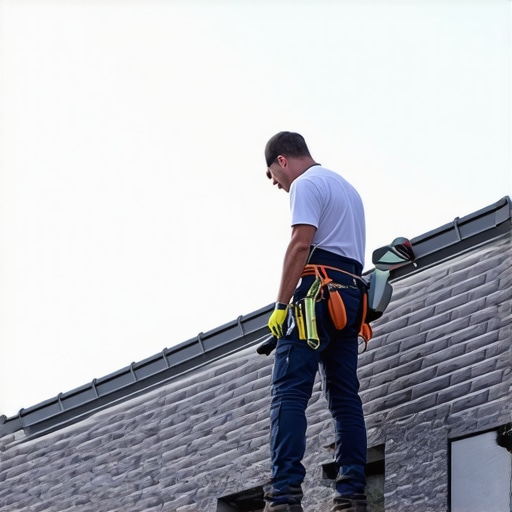
Walking on that roof felt like walking on a giant, sun-scorched potato chip. Every step produced a sickening ‘crunch’ that echoed through my boots. I wasn’t there to sell a new roof; I was there to perform an autopsy. The bitumen—the sticky, oily stuff that gives shingles their life—had been literally baked out by the 115°F desert sun. What was left was a brittle, grey skeleton of fiberglass and dust. I knew exactly what I’d find underneath: a substrate so dry it looked like kindling. This is the reality many local roofers face in our climate, where the UV radiation acts like a slow-motion blowtorch. But as we move toward 2026, the tech in roofing is shifting from ‘rip and replace’ to ‘protect and preserve.’ That’s where the high-solids silicone-hybrids come in. Let’s stop talking about aesthetics and start talking about the physics of why your roof is failing.
1. Stopping the Thermal Accordion Effect
In the Southwest, your roof isn’t static. It’s a living thing that breathes—or rather, it expands and contracts. During the day, surface temperatures on a dark shingle or modified bitumen membrane can hit 160°F. At night, it might drop to 60°F. This 100-degree swing creates what I call the Thermal Accordion. The materials stretch and shrink until the fasteners back out, creating shiners (missed or popped nails) that let water migrate directly into the plywood. The 2026-spec elastomeric coatings are designed with a 600% elongation rating. Imagine a rubber band that never loses its snap. By applying this to a sound substrate, roofing companies are effectively ‘locking’ the roof in a stable state. You’re not just painting; you’re installing a monolithic, seamless skin that handles the expansion without cracking at the valleys or crickets.
“Roof coverings shall be applied in accordance with the applicable provisions of this section and the manufacturer’s installation instructions.” – International Residential Code (IRC), Chapter 9
The Mechanism of Cool Roof Chemistry
Let’s zoom in on the chemistry. Older coatings were basically just white paint. The new 2026 formulations use infrared-reflective pigments that don’t just look white—they actually reject the short-wave radiation before it turns into heat. This isn’t just about your AC bill; it’s about stopping Thermal Shock. When a sudden monsoon hits a 150-degree roof, the rapid cooling can cause the material to fracture. A high-build coating acts as a thermal buffer, keeping the structural deck at a consistent temperature. Local roofers who understand the science aren’t just slapping goop on a roof; they are managing the building envelope’s thermodynamics.
2. Chemical Resistance to Ponding Water and UV Degradation
The biggest lie in the roofing industry is that all ‘waterproof’ coatings are created equal. Most acrylic coatings are water-based, meaning if they sit under ponding water for more than 48 hours, they start to re-emulsify. They turn back into liquid. I’ve seen it a hundred times: a flat roof with a small dip where water collects, and the coating has peeled away like a bad sunburn. The 2026 silicone-hybrid coatings are moisture-cure. They actually use the humidity in the air to harden. Once they are set, they are hydrophobic. Water can sit on them for a month, and it won’t penetrate. This is a massive shift for roofing companies dealing with low-slope commercial properties or residential flat roofs.
[image placeholder]
The UV Death-Spiral
UV radiation is the silent killer. It breaks down the molecular bonds in asphalt shingles, leading to granule loss. Once the granules are gone, the asphalt is exposed, it cracks, and you get leaks. By the time most homeowners call roofing experts, the damage is already done. The benefit of these upcoming 2026 coatings is their ‘high-solids’ content. We’re talking about a thicker dry-film thickness (DFT) that stays flexible for twenty years. You’re essentially putting a sunscreen on your house that never washes off. This prevents the shingles from reaching that ‘potato chip’ stage of brittleness.
3. Avoiding the Landfill: The Economics of Restoration
The industry is hitting a wall with waste. Every year, millions of tons of asphalt shingles end up in landfills. It’s a mess, and it’s expensive. A full tear-off requires labor, disposal fees, and new material costs—all of which are skyrocketing. One of the primary benefits of the 2026 coating technology is that it allows for a ‘Restoration’ instead of a ‘Replacement.’ If the underlying deck is dry and the insulation isn’t water-logged, we can clean the surface, prime it, and coat it for about half the cost of a full replacement. But there’s a catch: you can’t wait until the roof is a disaster.
“The application of a roof coating is not a substitute for the repair of a structurally unsound roof.” – National Roofing Contractors Association (NRCA)
The Anatomy of a Restoration
When I walk a roof for a potential coating, I’m looking for structural integrity. If I find soft spots, I know the plywood is gone, and no amount of silicone will save it. But if the flashings are tight and the field is just ‘weathered,’ we can save it. We treat the seams, reinforce the penetrations with polyester fabric, and then spray-apply the coating. It’s surgery, not a Band-Aid. Local roofers who tell you a coating can fix a rotting deck are the ones you need to run away from. The 2026 standards require a pull-test to ensure the coating is actually bonding to the substrate. If it doesn’t stick, it’s useless.
The Warranty Trap: What to Watch For
Don’t get blinded by ‘Lifetime Warranties.’ In the roofing world, a warranty is often only as good as the company that signs it. Many ‘trunk slammers’ will offer a 20-year warranty, then change their business name in three years when the leaks start. Real protection comes from manufacturer-backed warranties where the chemical company inspects the work of the local roofers. In 2026, we’re seeing more ‘NCD’ (No Dollar Limit) warranties. These are the gold standard. They mean the manufacturer is so confident in the coating’s performance that they will cover the full cost of repairs, regardless of the price of labor or materials at that time. That’s the kind of peace of mind you want when you’re looking at roofing companies.
Final Verdict from the Roof Deck
The days of just nailing down shingles and hoping for the best are over. Between rising material costs and more extreme weather patterns, the ‘Material Truth’ is that we need smarter solutions. Roof coatings aren’t a magic wand, but the 2026 formulations represent a massive leap in chemical engineering. They keep the heat out, they handle the water, and they keep shingles out of the trash. If your roof is still in decent shape but showing its age, stop waiting for the leak to happen. Call a pro who knows how to use a moisture meter and an infrared camera. The goal isn’t just to stop a leak today; it’s to ensure you’re not replacing the whole square again in ten years.