
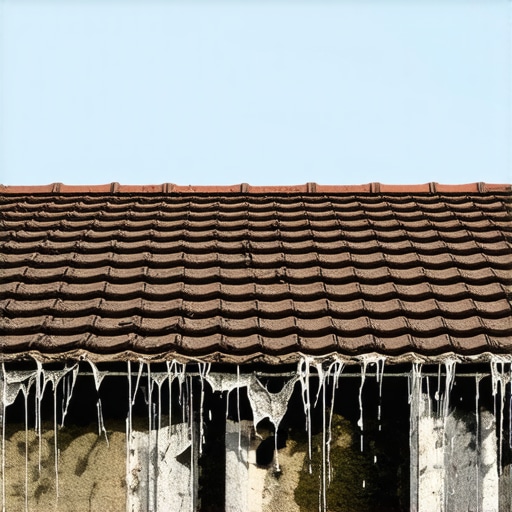
The Anatomy of a Slow Motion Disaster
The drip on your dining room table isn’t the start of the problem; it is the final stage of a multi-year war. By the time you notice a brown ring on your ceiling, the structural integrity of your roof deck has likely been compromised for months, if not years. As a forensic roofer who has spent twenty-five years crawling through fiberglass insulation and baking on 140°F asphalt, I can tell you that roofs don’t just ‘fail.’ They are systematically dismantled by physics, poor installation, and the relentless patience of water. My old foreman used to say, ‘Water is patient. It will wait for you to make a mistake.’ He was right. Most roofing companies will give you a quote for a new layer of shingles, but few will explain the forensic evidence of why your current system surrendered.
1. The ‘Shiner’ and the Ghost Leak: Attic Forensics
One of the most insidious signs local roofers look for isn’t even on the outside of the house. It’s in the dark corners of your attic. We look for ‘shiners.’ A shiner is a nail that missed the rafter or the truss during the original installation. In the dead of winter, these cold metal spikes act as condensation magnets. Warm, moist air from your living space escapes into the attic—a process known as an ‘attic bypass’—and hits that freezing nail. The water vapor instantly turns to frost. When the sun hits the roof the next morning, that frost melts and drips onto your insulation. This isn’t a ‘leak’ in the traditional sense, but it rots your plywood just the same. Over time, the wood turns into something resembling wet cardboard. If your roofing professional isn’t going into your attic with a high-lumen flashlight to inspect the underside of the deck, they aren’t doing an inspection; they’re doing a sales pitch.
“A roof system shall be designed and installed in accordance with this code and the manufacturer’s installation instructions.” – International Residential Code (IRC) R903.1
The physics of the ‘shiner’ is compounded by poor ventilation. If your ridge vents are clogged or your soffits are stuffed with blown-in insulation, the heat stays trapped. In the Mid-Atlantic climate, this creates a pressure cooker effect. The shingles literally ‘cook’ from both sides. The oils in the asphalt gas out, leading to premature brittleness. By 2026, we are seeing more systems fail early because contractors ignore the intake-exhaust balance, focusing only on the aesthetics of the shingle rather than the thermodynamics of the attic space.
2. Granule Migration and the ‘Sandpaper’ Gutter
Go look at your downspout exits. If you see a pile of ceramic-coated granules that looks like dark coarse sand, your roof is effectively balding. These granules aren’t just for color; they are the UV armor for the underlying asphalt. Once the granules are gone, the sun’s radiation hits the raw bitumen. This triggers a process called photo-oxidation. The asphalt becomes rigid and cracks. We call this ‘crazing.’ When you walk on a roof in this condition, it doesn’t feel supple; it feels like walking on dried leaves. You’ll hear a crunching sound. That is the sound of your secondary water barrier shattering. Local roofers who know their trade will measure the ‘depth’ of the remaining granules. In 2026, with the increasing intensity of summer heat waves, this UV degradation is accelerating. We are seeing 30-year shingles ‘bald’ in as little as 12 years because the thermal shock—the rapid expansion and contraction of the roof deck between a 150°F afternoon and a 70°F thunderstorm—tears the granules away from the matting.
3. Capillary Action and the Flashing Failure
The most technical sign of failure occurs at the transitions—where the roof meets a wall, a chimney, or a valley. Most leaks are not field failures; they are detail failures. Water has a physical property called capillary action, which allows it to travel uphill or sideways through tight spaces. If your roofing companies didn’t install ‘step flashing’ (individual L-shaped pieces of metal woven into every shingle course) and instead used a single long piece of ‘L-metal,’ you are on a countdown to a rot. Water gets sucked behind that metal and sits against the wood. It can’t evaporate. It just stays there, chewing through the house wrap and eventually the studs.
“The roof is the most vulnerable part of the building envelope, and its failure can lead to the destruction of the entire structure.” – National Roofing Contractors Association (NRCA)
Another red flag is the ‘cricket.’ If you have a chimney wider than 30 inches and there isn’t a small peaked structure behind it to divert water, you have a debris trap. Pine needles and oak leaves build up, creating a dam. When it rains, the water pools behind the chimney, creating hydrostatic pressure. This pressure forces water *under* the shingles and over the top of the flashing. By the time you see the leak, the framing behind the chimney is usually soft enough to poke a screwdriver through. We see this constantly when homeowners hire ‘trunk slammers’ who skip the custom metal work to save a few hundred dollars on the bid.
The Verdict: Surgery vs. Band-Aids
A ‘Band-Aid’ fix is a tube of caulk. In the roofing world, caulk is a temporary sealant, not a permanent waterproofing solution. If a contractor tells you they can ‘just goop some mastic’ on a leaking valley or a rusted pipe boot, they are setting you up for a catastrophic failure three years down the road. The ‘Surgery’ involves tearing the system back to the deck, replacing the rotten ‘squares’ of plywood, and installing a modern synthetic underlayment that actually breathes. In 2026, the standard for a quality local roofer is the move toward ‘Self-Adhering Membranes’ in all critical areas. This creates a gasket-like seal around every nail penetration. If your roofer isn’t talking about ice and water shields in the valleys and at the eaves, they are stuck in 1995. A roof isn’t just a collection of shingles; it’s an engineered system designed to manage water, heat, and air pressure. When one part of that system fails, the whole thing is compromised. Don’t wait for the dining room ceiling to fall in before you look for the signs.
This post really highlights how insidious roof issues can be, often lurking in hidden areas like the attic long before visible leaks appear. I found the section on ‘shiners’ especially interesting because many homeowners, including myself, wouldn’t think to inspect the attic thoroughly, let alone align with the forensic approach described here. Personally, I’ve dealt with a few roofing contractors who focused solely on surface repairs, such as replacing shingles without addressing underlying ventilation problems or the integrity of flashing. It makes me wonder—how do homeowners effectively verify that their roofing contractor is inspecting all critical areas versus just doing a quick, superficial fix? It seems like asking for detailed documentation or referencing specific standards like ICC or NRCA guidelines might help. Has anyone here experienced a situation where addressing these hidden issues early saved them thousands in future repairs? I’d love to hear about proactive measures or recommendations for homeowners wanting to catch these signs before it’s too late.
This post really underscores how complex and intertwined roof issues can be, especially when you consider how hidden problems like shiners and improper flashing can quietly deteriorate your roof over time. I had a similar experience where a small leak turned out to be caused by delayed flashing installation around my chimney. The repair was definitely more than a quick patch—it involved detailed inspection and reinstallation of proper step flashing, which saved me from a much bigger problem down the road. It’s clear that choosing an experienced, forensic-inclined roofer makes all the difference in preventing catastrophic failures. The part about the importance of proper attic ventilation particularly resonated with me; in my case, improving airflow eliminated frost buildup and halted ongoing rot. For homeowners reading this, what are some questions they should ask potential roofing contractors to ensure they’re qualified to spot these hidden issues? I believe thorough inspections and asking about adherence to standards like NRCA are key steps for peace of mind.
Reading this detailed breakdown of roof failure signs really highlights how important proactive inspections are. I recall my own experience with a minor attic frost issue that ended up being a shiner born from poor ventilation—something I never would have noticed without an in-depth check. It’s alarming how many homeowners overlook these subtle clues until they turn into costly repairs or leaks. I’ve started asking my roofing contractor specific questions about the ventilation systems and their experience with forensic roof assessments. From your perspective, what are some key questions homeowners should ask to ensure their roofer looks beyond the surface? Also, considering climate variations, do certain signs become more critical in specific regions? I believe understanding these nuances can be a real game-changer in preventing premature roof failure. Would love to hear more from people who’ve successfully caught issues early and avoided major replacements.
This article sheds light on how seemingly minor issues like frost in the attic or granule loss can actually point to serious underlying problems that, if left unaddressed, lead to extensive damage. I recall a case where a client ignored small frost patches in their attic for a couple of seasons, assuming it was just seasonal humidity. When I inspected, I found multiple shiners and ventilation blockages that had been silently deteriorating the roof structure for years. What struck me is how crucial proper attic inspection is—not just for the homeowner, but as a standard part of any roof assessment. It makes me wonder how many homeowners might be unknowingly living under compromised roofs simply because they aren’t aware of these subtle signs. Have others experienced or heard of situations where early detection of issues like frost or granule loss prevented costly roof replacements? Also, what’s the best way for homeowners to ensure their contractors are thorough enough in their inspections to catch these hidden clues? I think asking about specific inspection steps and standards could be a good start.
This post really shines a light on how sneaky roof issues can be, sneaking into the attic long before any visible signs appear. I had a similar situation where frost in my attic turned out to be shiners, indicating poor ventilation and a possible cause for future roof damage. It’s fascinating—and a bit alarming—how these subtle clues can predict costly repairs if overlooked. I especially appreciated the emphasis on the importance of proper inspection techniques, like using a high-lumen flashlight to find hidden problems. I’ve often wondered, though, what are some effective questions homeowners can ask their roofing contractors to verify they are qualified to detect these issues? Asking about adherence to standards like the NRCA or ICC guidelines seems like a good start. Has anyone here experienced early detection saving them from a major roof overhaul? Would love to hear about your proactive measures.