
The Sound of a Dying Roof in the Desert Heat
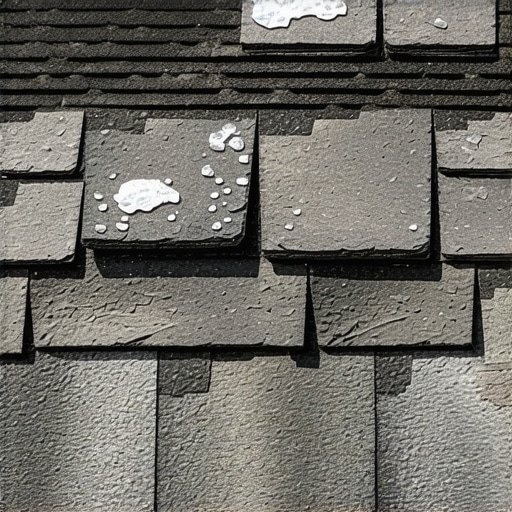
You’re standing in your driveway in the 105-degree Austin heat, looking up at your roof, and it looks like it has a case of the chickenpox. Most folks ignore it. They think it’s just the age of the house showing. But to a forensic roofer who’s spent three decades crawling across scorching fiberglass mats, those little bumps are a scream for help. Walking on that roof felt like walking on a sponge; I knew exactly what I’d find underneath. It wasn’t just old age; it was a systemic failure of physics, likely caused by a combination of manufacturing trapped moisture and a complete lack of proper attic ventilation. When those bumps—what we call blisters—pop, the granules fall away, leaving the asphalt heart of your shingle exposed to the brutal UV rays of the Southwest sun. Once that happens, the clock doesn’t just tick; it races.
The Anatomy of an Outgassing Event
To understand why your roof is breaking out in hives, you have to look at the Mechanism of Failure. Shingle blistering isn’t a surface-level cosmetic issue. It starts deep inside the asphalt layers. During the manufacturing process, if a tiny amount of moisture gets trapped in the fiberglass mat before it’s coated in hot asphalt, you’ve basically built a time bomb. As the sun beats down on your square of roofing, the temperature of the shingle can easily hit 170°F. That trapped moisture expands, turning into gas. This is the outgassing process. The gas pushes upward, creating a bubble. In the Southwest, where thermal shock—the rapid heating during the day and cooling at night—is a daily occurrence, these bubbles are under constant pressure. If your local roofers didn’t install enough intake and exhaust vents, that heat has nowhere to go but back into the shingle. It’s a closed-loop system of destruction.
“Proper ventilation is required to prevent the premature failure of asphalt shingles due to excessive heat buildup in the attic space.” – International Residential Code (IRC) R806.1
The Forensic Difference: Blisters vs. Hail Damage
One of the biggest scams run by roofing companies that chase storms is misidentifying blisters as hail damage. Here is the trade secret: hail creates a bruise that pushes the fiberglass mat downward, often cracking it. A blister, however, is an upward protrusion. It’s a localized explosion from the inside out. If you see a pockmark where the granules are missing but the edges of the crater are raised, you are looking at a popped blister. This isn’t an insurance claim; it’s a maintenance or manufacturing failure. When you see these ‘zits’ appearing across your roof, you’re looking at the loss of the shingle’s sunscreen. Without those granules, the UV light eats the asphalt, making it brittle. Eventually, the shingle will crack, water will find a shiner (a misplaced nail), and follow it down into your decking.
The Capillary Action of a Leaky Blister
Once a blister pops, the physics of water takes over. Water doesn’t just fall straight down; it uses capillary action to move sideways and upwards under the surrounding shingles. It finds the valley where the flashing might be slightly backed up with debris. Because the blister has compromised the integrity of the shingle surface, the water can sit in those small craters, slowly soaking into the mat. Over time, this moisture migrates to the plywood. I’ve seen local roofers try to ‘fix’ this with a tube of caulk, but that’s just putting a Band-Aid on a gunshot wound. You can’t stop the outgassing once the shingles are cooked. The only real ‘surgery’ is a full tear-off to inspect the structural integrity of the deck.
“The service life of any roof membrane is directly related to the thermal environment in which it must function.” – National Roofing Contractors Association (NRCA)
The Thermal Expansion Trap
In regions like Nevada or Arizona, thermal expansion is the silent killer. Materials expand when hot and contract when cold. When shingles are already stressed by internal blistering, this constant movement causes the ‘caps’ of the blisters to shear off. If you’re seeing ‘bald spots’ on your roof, the protective granules are likely sitting in your gutters right now. This is why 2026 is becoming a benchmark year for these failures; many of the shingles installed during the mid-teens are hitting their thermal limit. If you don’t address the ventilation now, you aren’t just looking at a new roof; you’re looking at replacing the cricket behind your chimney and potentially the structural rafters that have been softened by years of attic bake-ovens.
Don’t Be Fooled by the ‘Lifetime’ Marketing
Many roofing companies will sell you on a ‘lifetime’ warranty, but if you read the fine print, those warranties are often voided by ‘inadequate ventilation.’ It’s a catch-22. They install the shingles, leave the old, clogged soffit vents alone, and three years later, when the blistering starts, the manufacturer denies the claim. You need a contractor who understands the Trade—someone who checks the NFA (Net Free Area) of your vents before they ever lay a single shingle. If they don’t talk about your attic temperature, they aren’t roofing; they’re just shingling. Spotting these blisters early is the difference between a minor ventilation upgrade and a $20,000 disaster. Stop looking for the cheapest bid and start looking for the forensic evidence of a pro who knows why roofs actually fail.