
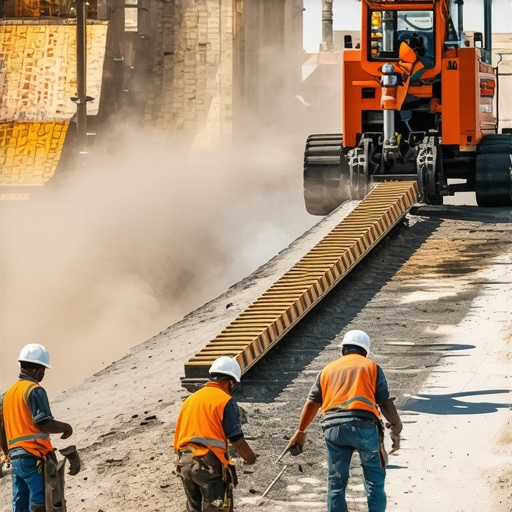
The Anatomy of a High-Stakes Tear-Off
You can smell it before you see it. That pungent, earthy scent of damp wood and stagnant humidity. In the tropical heat of a coastal job site, that smell means one thing: the clock is ticking. For decades, roofing companies relied on brute force and a fleet of guys with pitchforks. But as we move toward 2026, the physics of the roof tear-off have evolved. We are no longer just stripping shingles; we are performing a controlled extraction to prevent the structural decay that turns a simple replacement into a five-figure plywood nightmare.
My old foreman used to say, ‘Water is patient. It will wait for you to make a mistake.’ He was right. If you leave a deck exposed for more than a four-hour window in the Southeast, you aren’t just replacing a roof; you’re inviting the swamp into the attic. Speed isn’t about rushing; it’s about precision. It’s about minimizing the time the skeletal structure of the home is vulnerable to the relentless wind-driven rain that defines our climate. In 2026, the best roofing companies use high-velocity debris management and pneumatic separation to keep the deck dry and the homeowners’ sanity intact.
“When a roof system is replaced, all existing roof coverings shall be removed down to the roof deck.” – International Residential Code (IRC) R908.3
The Mechanism of Failure: Why Old Methods Die
When you watch a crew from a cut-rate outfit, you see them dragging heavy bundles over the roof edge, scuffing the drip edge and potentially cracking the fascia. They use old-school shovels that bite into the plywood, creating gouges that trap moisture later. This is where ‘shiners’—those missed nails that stay behind—become a liability. A shiner left in the deck will eventually conduct heat and cold, leading to condensation drips in the attic that mimic a real leak. By 2026, local roofers have shifted to magnetic-resonance sweepers and hydraulic catchers like the Equipter, which sit right at the roofline to catch every scrap of grit and every rusted nail before they touch the ground.
The Physics of the 2026 Tear-Off
Consider the capillary action of water. In our humid environment, moisture doesn’t just fall; it climbs. If a tear-off takes two days instead of six hours, the humidity gets into the open grain of the plywood. The wood fibers swell, then shrink when the new shingles go on. This ‘thermal movement’ is what causes shingles to buckle and ripple three years down the road. High-speed roofing companies now utilize ‘Secondary Water Resistance’ (SWR) membranes that are rolled out immediately behind the removal crew. We’re talking about a literal race between the stripper and the sealer. The moment a square of shingles comes off, the synthetic underlayment goes down. This prevents the deck from ‘breathing’ in the wet air of the Gulf Coast.
“A roof is only as good as its flashing.” – Old Roofer’s Adage
The 2026 Tech Stack: Drones and Suction
The most advanced roofing companies are now experimenting with vacuum-assisted debris removal. Instead of throwing shingles into a bin, they are sucked through a high-bore hose into a masticating trailer. This eliminates the ‘shingle slide’ that ruins landscaping and siding. Furthermore, AI-driven drone scans are now used mid-job to identify any rot in the ‘cricket’—that small peaked structure behind a chimney—before the new materials are even unboxed. If the cricket is soft, the crew knows exactly how much lumber to bring up before the first shingle is even pulled.
Why Local Roofers Must Adapt
If you hire a team that still thinks a ‘square’ is just a measurement and doesn’t understand the uplift ratings required for 2026 building codes, you’re buying a disaster. Modern roofing requires an understanding of galvanic corrosion. In coastal areas, we’ve seen too many roofs fail because someone used standard galvanized nails instead of stainless steel. The salt air eats the zinc, the nail shrinks, and suddenly your shingles are flapping like a deck of cards in a hurricane. Speed in 2026 isn’t just about fast hands; it’s about a fast, smarter process that respects the physics of the environment. Whether it’s the transition at the valley or the way the starter course is pinned, every second saved in the tear-off is a second of protection for the home’s interior. Don’t settle for a crew that treats your house like a dumpster; find the professionals who treat the tear-off like a surgical strike.