
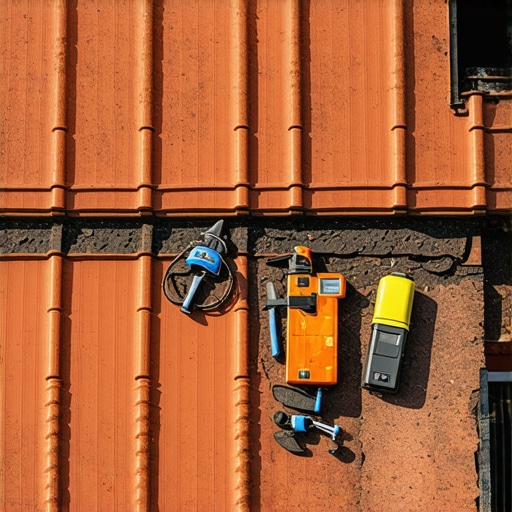
The Forensic Scene: That Sickening Dip in the Ridge Line
Walking on that roof felt like walking on a sponge; I didn’t even need to pull a tape measure to know the ridge was bowing. I knew exactly what I’d find underneath before I even cracked the hatch to the attic. When you’ve spent 25 years looking at the skeleton of a home, you develop a sixth sense for when the structural ‘bones’ are giving up. In the trade, we see it all the time: a homeowner calls because they noticed a ‘little dip’ in their shingles, but when I get up there, I see a roof that’s one heavy snowstorm away from being in their living room. Sagging rafters aren’t just an aesthetic flaw; they are a forensic signature of structural fatigue, moisture-driven rot, or gross negligence by the original framing crew. If your roofline looks like a swaybacked horse, you aren’t looking for a shingle repair; you’re looking for emergency roof services before gravity finishes what the moisture started.
The Physics of Failure: Why Wood Bows and Rafters Fail
Wood is a remarkable material, but it is not invincible. Rafters fail through a process called ‘creep’—long-term deformation under a constant load. In our northern climate, where the weight of a heavy snow pack can add thousands of pounds to your roof’s live load, the cellulose fibers in the wood start to undergo microscopic fractures. This is exacerbated when you have poor attic ventilation. When warm, moist air from your bathroom or kitchen leaks into the attic through an attic bypass, it hits the cold underside of the roof deck. The result? Persistent condensation that turns your rafters into a buffet for wood-destroying fungi. Over time, the internal bond of the wood weakens, and the rafters begin to bow under the weight of the roofing materials. This isn’t just ‘settling.’ It’s the slow-motion collapse of your home’s primary defense system.
“Rafters shall be sized according to the spans and loads specified in the International Residential Code (IRC). Any deviation through moisture damage or structural alteration requires immediate remediation.” – Building Code Standards
The Anatomy of the Sag: Identifying the Culprit
When you call in roofing companies for an inspection, you need a forensic investigator, not a salesman. We look for the ‘Mechanism of Failure.’ Is it a shiner (a nail that missed the rafter and allowed moisture to wick into the wood)? Or is it a lack of collar ties? Many older homes were built with ‘common rafters’ that weren’t designed to support the weight of modern architectural shingles, which can weigh 300 to 400 pounds per square. If you see your plywood delaminating, it’s often because the rafters have bowed so much that the nails are pulling through the deck. You might notice signs of hidden plywood delamination, which is usually the first indicator that the rafters beneath aren’t providing a flat, stable surface. If the rafters are rotting from the top down, it’s often due to a failure in the valley or the ridge vent, allowing liquid water to saturate the framing members.
The Emergency Fix: Bracing vs. Surgery
If you’re currently staring at a ceiling that looks lower than it did last year, you need to know what to do if attic decking or rafters sag immediately. The ‘Band-Aid’ approach is temporary bracing—installing a ‘strongback’ or a purlin to distribute the load to load-bearing walls. But that’s just a stay of execution. The ‘Surgery’ involves sistering the rafters. This means we take a new, structurally sound piece of lumber, glue and bolt it to the failing rafter, and jack the roof back into position. It’s a delicate dance; if you jack it too fast, you’ll crack the drywall throughout the house. If the rot has progressed too far, you’re looking at a full tear-off and replacement of the framing. This is why local roofers who actually know their trade are worth their weight in gold; a ‘trunk slammer’ will just throw more shingles over the sag, hiding the problem until the roof caves in.
“A roof is only as good as its flashing—and the structure that supports it.” – Old Roofer’s Adage
The Hidden Enemy: Attic Ventilation and Ice Dams
In cold regions, rafters don’t just sag from age; they sag from ice. When your attic isn’t properly vented, you get ice dams. The weight of that ice at the eaves puts immense leverage on the rafter tails. Furthermore, a lack of soffit intake means the wood never dries out. If your contractor didn’t take the time to install attic baffles, your insulation is likely choking your ventilation, trapping heat and moisture against those rafters. Over a decade, that moisture softens the wood grain until the rafter can no longer resist the downward force of gravity. We often find that homes with sagging ridges also have rotted roof decking, which creates a dangerous ‘sponge’ effect that allows the whole system to flex and fail. Don’t let a salesman tell you a new layer of shingles will fix it. Shingles don’t provide structural integrity; lumber does.
Conclusion: The Cost of Hesitation
Ignoring a sagging roof is like ignoring a chest pain. It’s not going to resolve itself. The longer you wait, the more the load is transferred to your exterior walls, which can lead to ‘wall spread’—where the weight of the roof literally pushes your house apart at the seams. When you search for roofing companies, ask them specifically about their experience with structural framing and rafter remediation. You need a crew that understands the load-bearing requirements of the IRC and isn’t afraid to get into a 140°F attic to do the heavy lifting. Protecting your home starts with the skeleton; make sure yours is strong enough to carry the weight. [IMAGE_PLACEHOLDER]