
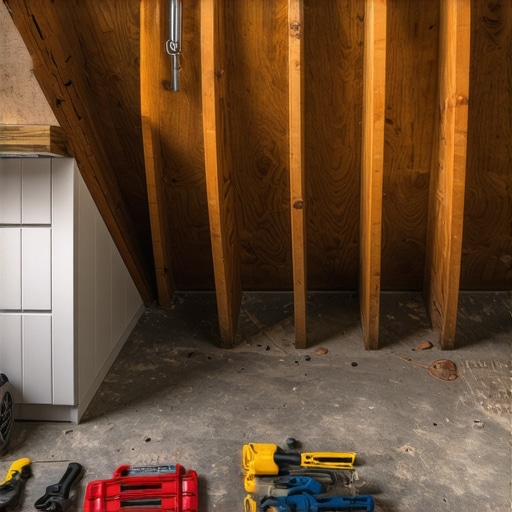
The sound of a roof failing isn’t always a crash; sometimes, it is a slow, agonizing groan that only a veteran roofer hears in their sleep. I remember walking onto a job site in a damp, cold climate where the homeowner complained of a ‘dip’ near the chimney. As soon as my boot hit that section, the world turned into a trampoline. I knew right then that the rafters underneath weren’t just wet—they were structurally compromised, likely from years of improper ventilation and thermal bridging that turned the attic into a slow cooker for wood rot. When you see your roofline dipping or notice the attic decking bowing between the rafters, you aren’t looking at a cosmetic flaw. You are looking at a structural emergency that demands immediate forensic attention before the weight of the next snow or rainstorm brings the whole assembly into your living room.
The Physics of the Sag: Why Rafters Give Up
Wood is a remarkable material, but it has a breaking point dictated by the laws of physics. When we talk about rafters sagging, we are often discussing a phenomenon known as ‘creep.’ This isn’t just about weight; it is about the intersection of moisture, heat, and load. In colder climates, warm air escapes from the house into the attic—a process we call an attic bypass. This warm, moist air hits the cold underside of the roof decking and condenses. Over time, that moisture infiltrates the wood fibers, softening the lignin—the organic glue that holds wood cells together. Once the lignin softens, the weight of the roofing materials (the shingles, the underlayment, and any accumulated snow) begins to permanently deform the timber. This is why roofing companies often find that a sagging roof is actually a ventilation failure in disguise.
“Rafters shall be sized based on the span, species, and grade of the lumber, and shall be capable of supporting the design snow load and dead load without exceeding allowable deflection limits.” – International Residential Code (IRC), Section R802
When you see that sag, the first thing you need to understand is capillary action. Water doesn’t just sit; it moves. If you have a minor leak, the water travels along the grain of the rafter, saturating the wood far from the actual entry point. This is why localized sagging is so dangerous—it hides the true extent of the decay. If you suspect your roof is losing its spine, you need to act fast.
1. Immediate Load Reduction and Assessment
The moment you notice a visible dip in your roofline, your priority is reducing the ‘dead load’ and ‘live load’ on those rafters. In the trade, we call the weight of the roof itself the dead load. If there is heavy snow, debris, or even an old satellite dish located directly over the sag, it needs to be addressed. However, do not climb onto a sagging roof yourself. A compromised rafter can fail under the additional weight of a human. Instead, use a roof rake from the ground to clear snow or debris. This reduces the immediate stress on the timber. From the inside, check for attic decking rafters sag indicators, such as cracked wood or ‘checking’ (longitudinal cracks) in the rafters. If the wood feels soft to a screwdriver poke, the structural integrity is gone.
2. Temporary Structural Bracing (The ‘Mule’ Post)
If the sag is significant, you need to provide a secondary path for the load to travel to the floor joists. This is not a permanent fix, but a forensic ‘band-aid.’ Local roofers will often install temporary shoring, sometimes called a ‘mule’ or a ‘kick-stand,’ which involves placing a 4×4 post under the sagging rafter, supported by a heavy sill plate on the attic floor to distribute the weight. Warning: You must ensure the load is being transferred to a load-bearing wall below, otherwise, you risk cracking the ceiling of the room beneath. This bracing prevents the rafter from reaching its ultimate failure point while you wait for a full repair crew to arrive.
3. Forensic Moisture Control and Drying
A sagging rafter is often a wet rafter. To stop the progression of the rot, you must change the attic’s micro-climate. High-velocity fans and industrial dehumidifiers are the tools of the trade here. By dropping the relative humidity in the attic, you can sometimes arrest the ‘soft rot’ fungi that eat away at the wood. During this phase, roofing experts will look for ‘shiners’—nails that missed the rafter and are now covered in frost or water droplets. These shiners act as tiny heat sinks, pulling moisture out of the air and dripping it directly onto the wood. You might also want to look into stopping attic leaks forever to ensure no external water is contributing to the saturation of the rafters.
4. Permanent Sistering and Decking Replacement
Once the structure is stabilized and dried, the only real ‘surgery’ is sistering. This involves bolting a new, straight rafter directly to the side of the sagging one, effectively taking over the load-bearing duties. We don’t just use nails here; we use through-bolts or structural screws and construction adhesive to create a monolithic beam. If the decking between the rafters is also warped or delaminated, it must be replaced. Plywood that has turned to ‘oatmeal’ from moisture cannot hold a nail, leading to ‘shingle blow-off’ in high winds. If you notice the shingles themselves are starting to lift near the sag, check out hidden shingle lifting signs to see if the underlying wood rot has compromised the fasteners.
“A roof is only as good as its flashing and the bones it sits on.” – Old Roofer’s Adage
The Trap of the Quick Fix
Many ‘trunk slammer’ contractors will tell you they can just ‘level it out’ with some shims and new shingles. This is a recipe for disaster. Shimming a sagging roof merely hides the structural failure under a fresh layer of asphalt. It adds more weight to a system that is already failing. Always insist on a forensic inspection that addresses the root cause—be it a lack of a cricket behind a chimney or a dead valley that is ponding water. If the wood is decayed, it must be reinforced or replaced. Anything else is just putting a fresh coat of paint on a sinking ship. Be sure to verify that any company you hire has valid insurance and a history of structural repair, not just shingle slapping. The cost of a full rafter replacement is high, but the cost of a roof collapse is immeasurable. Stay vigilant, watch your ridge lines, and never ignore a groan from the attic.