
The Forensic Scene: Walking on a Sponge
Walking on that roof felt like walking on a sponge. I knew exactly what I’d find underneath before I even pulled my first pry bar. It was a crisp morning in late October, the kind of day where the air bites at your lungs, and the local roofers were already out in force, slapping shingles down as fast as their pneumatic guns could fire. But this specific roof—a six-year-old tear-off—was dying. As I stepped near the ridge, the decking flexed a good two inches. That’s not supposed to happen. In this trade, we call that ‘the trampoline,’ and it’s the sound of thousands of dollars evaporating because some roofing companies forgot that a house needs to breathe as much as it needs to stay dry. When we finally peeled back the layers, the OSB sheathing didn’t just look wet; it looked like used coffee grounds. It was a victim of 2026-style ventilation failure, where modern insulation standards collide with old-world ignorance.
The Physics of Failure: Why Your Roof is Choking
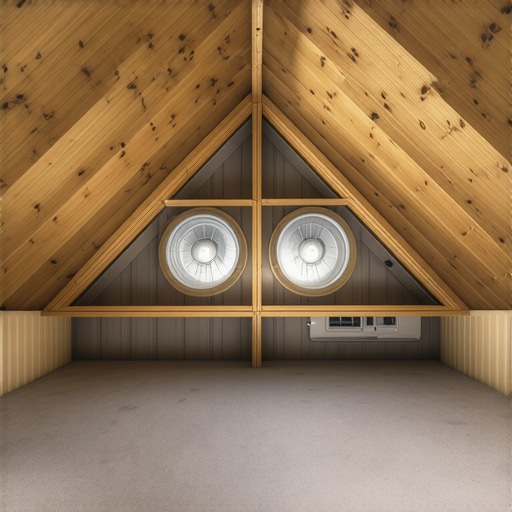
Most roofing companies treat an attic like a storage bin, but to a forensic roofer, it’s a high-pressure laboratory. In cold climates, the enemy isn’t just the snow sitting on top; it’s the warm, moist air rising from your shower, your stove, and your lungs. This air travels upward through ‘attic bypasses’—tiny gaps around light fixtures and plumbing stacks. Once that 70-degree air hits a 20-degree roof deck, physics takes over. It’s called the dew point, and it’s where gaseous water turns back into a liquid or, if it’s cold enough, frost. By 2026, as building codes demand higher R-values and tighter envelopes, this problem is only getting worse. If you don’t have a balanced intake and exhaust system, you are essentially building a mold factory.
“A roof is only as good as its flashing and its ability to shed heat.” – The Independent Roofing Contractors Manual
Sign 1: The Rusty Nail Syndrome (The Shiner)
Go into your attic with a flashlight and look at the points of the nails sticking through the wood. In the trade, we call a missed nail a ‘shiner,’ but even a perfectly driven nail can tell a story. If those nail tips are orange with rust or have white mineral deposits hanging off them, you have a ventilation crisis. What’s happening here is the Mechanism of Condensation. Each nail acts as a cold-sink, drawing the frost to its surface. When the sun hits the roof, that frost melts, dripping onto your insulation. This ‘attic rain’ destroys your R-value and rots the wood from the inside out. If your local roofers didn’t check for this before quoting a replacement, they aren’t looking for the cause; they’re just looking for a paycheck.
Sign 2: The Snow Shadow and the Ice Dam Monster
In the North, we look for the ‘snow shadow.’ If you see a patch of shingles on your roof where the snow melts faster than everywhere else, you’re looking at a thermal bridge. Heat is escaping, warming the underside of the deck, and melting the bottom layer of snow. That water runs down to the cold eaves and freezes, forming an ice dam. By the time 2026 rolls around, these dams will be more destructive because our homes are holding more heat than ever. When the water backs up under the shingles, it uses capillary action to move sideways, defying gravity. Without a heavy-duty ice & water shield and proper intake at the soffits, that water is coming into your bedroom.
“Ventilation is the primary defense against the premature degradation of asphaltic materials.” – National Roofing Contractors Association (NRCA)
Sign 3: Wavy Sheathing and the ‘Accordion Effect’
Plywood and OSB are hygroscopic—they absorb moisture from the air. When an attic isn’t vented, the wood expands. But since it’s nailed down to rafters, it can’t move outward; it moves upward, creating a wavy or ‘rippled’ look on your roofline. If you look down the length of your roof and it looks like an accordion, your roofing is literally being pushed apart by the humidity. This isn’t a material defect; it’s a ventilation failure. Local roofers who just nail over warped wood are setting you up for a total structural collapse in less than a decade.
Sign 4: The Brittle Shingle (Thermal Shock)
Even in cold climates, an unvented attic can reach 150°F on a sunny day. This cooks the asphalt from the bottom up, boiling off the volatile oils that keep the shingle flexible. If your shingles look ‘crisp’ or have lost all their granules in just a few years, they’ve been baked. You’ll see the edges curling up like a potato chip. This is ‘thermal shock,’ and it happens when the temperature differential between the top and bottom of the shingle is too great. A quality roofing company will tell you that a ‘lifetime’ warranty is useless if you haven’t addressed the airflow that keeps the shingles at a reasonable temperature.
Sign 5: The Fungal Shadow
Next time you’re outside, look at the north-facing slope of your roof. Are there black streaks? Most people think it’s just dirt. It’s actually Gloeocapsa magma, a type of cyanobacteria that eats the limestone filler in your shingles. While it’s common, an overgrowth is a sign that the roof deck is staying damp for too long. Poor ventilation prevents the roof from drying out after a rain or dew cycle. If your attic is a swamp, your shingles will never dry, and the algae will feast until your roof is a porous mess.
The Surgery: Fixing the Intake/Exhaust Ratio
The fix isn’t just adding a bigger fan. It’s about the ‘Stack Effect.’ You need cool air coming in at the bottom (soffit vents) and warm air escaping at the top (ridge vents or turtles). If you have one without the other, you’re creating a vacuum that can actually pull conditioned air out of your living space. We see ‘trunk slammers’ install ridge vents all the time without checking if the soffits are painted shut or stuffed with fiberglass. That’s not roofing; that’s malpractice. You need to ensure the baffles are clear and the square footage of intake matches the exhaust perfectly. Don’t let a contractor tell you more is better; balance is better. If they don’t mention the ‘net free ventilating area,’ show them the door. Waiting to fix this is a gamble with your home’s skeleton. By the time you see a leak on the ceiling, the plywood is already oatmeal. Real roofing is about the science of the air, not just the hammer and the nail.