
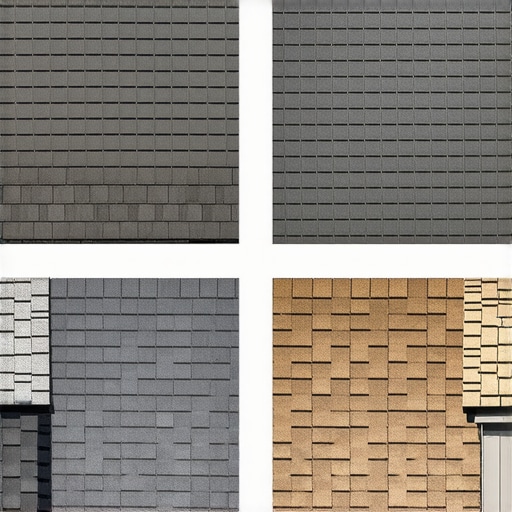
The Low-Slope Trap: Why Most Porch Roofs Fail Before Their Time
I’ve spent twenty-five years peeling back the layers of failed roofing systems, and let me tell you, porches are where the ‘pros’ separate themselves from the ‘trunk slammers.’ You walk onto a porch deck and it feels like a trampoline. You know before you even pull a single nail what happened. The roofing companies that came before didn’t respect the pitch. Most porches have a low-slope geometry—anything below a 4/12 pitch—and if you treat that like a standard house roof, you’re just building a slow-motion swimming pool over your patio furniture. My old foreman used to say, ‘Water has all the time in the world to find your shortcut, so don’t give it a map.’ He was right. Water on a low-slope porch doesn’t just run off; it lingers. It uses capillary action to crawl uphill, wicking under shingles and soaking into the OSB until the wood has the consistency of wet oatmeal and the smell of a swamp. When you’re looking at roofing for porches in 2026, you aren’t just buying a look; you’re buying a drainage strategy. You need a system that handles hydrostatic pressure and the brutal freeze-thaw cycles of the north.
“The assembly of roofing materials must be designed to resist the specific environmental loads of the region, particularly moisture migration through capillary action in low-slope applications.” – National Roofing Contractors Association (NRCA) Guidelines
1. Standing Seam Metal: The ‘Buy Once, Cry Once’ Standard
If you want a roof that outlives your mortgage, standing seam is the king. We’re not talking about the cheap corrugated panels you see on a shed with exposed screws. Exposed fasteners are a ticking time bomb; those rubber washers dry out in the sun, shrink, and suddenly you have a hundred tiny holes for water to enter. Standing seam uses a concealed fastener system. The panels are joined by a vertical leg that is mechanically locked or snapped together. This creates a continuous skin. Because the fasteners are hidden under the metal, they never see a drop of rain. In 2026, we’re seeing advanced PVDF coatings that reflect 70% of solar radiation, keeping that porch 15 degrees cooler in July. The physics are simple: metal sheds snow instantly, preventing the weight load that causes porch headers to sag. When we install this, we ensure a ‘cricket’ is built if the porch meets a chimney or a complex wall junction to divert water away from the ‘dead valley’ where debris usually collects.
2. EPDM Rubber: The Commercial-Grade Workhorse
Ethylene Propylene Diene Terpolymer, or EPDM, is essentially a giant rubber inner tube for your porch. It’s been the standard for flat-roof skyscrapers for decades, and for a porch with a very low pitch (1/12 or 2/12), it’s nearly bulletproof. You can smell the bonding adhesive from a block away when a crew is laying this down—a sharp, chemical scent that tells you that membrane isn’t going anywhere. The beauty of EPDM is the lack of seams. On a standard 10×20 porch, you can often lay one single sheet of rubber. No seams mean no leaks. However, the ‘shiner’—a missed nail from the old roof—is the enemy here. If a roofer doesn’t meticulously clean the deck, a stray nail head will eventually poke through the rubber like a bone through skin. I always tell homeowners: if your local roofers aren’t using a power broom and a magnetic sweep before the rubber goes down, fire them on the spot.
“Roof coverings shall be applied in accordance with the manufacturer’s installation instructions. Flashing shall be installed in such a manner as to prevent moisture from entering the wall and roof through joints in copings, through moisture-permeable materials and at intersections with parapet walls and other penetrations.” – International Residential Code (IRC) R903.2
3. Modified Bitumen: The Multi-Layer Shield
Modified Bitumen (Mod-Bit) is the evolution of the old built-up ‘tar and gravel’ roofs. It’s a bitumen-based membrane modified with either SBS (Styrene-Butadiene-Styrene) for flexibility or APP (Atactic Polypropylene) for heat resistance. For a porch, we typically use a two-ply or three-ply system. The ‘base sheet’ is nailed down, and the ‘cap sheet’ is either torched down or applied with a heavy-duty cold adhesive. This creates a redundant layer of protection. If the top layer gets a puncture from a falling branch, the base sheet acts as a secondary dam. In 2026, the new ‘cool roof’ granules on Mod-Bit are a game-changer for porches that get direct afternoon sun. It has a gritty, sandpaper texture that is durable enough to walk on, making it a great choice if you have a second-story window that needs to be accessed for cleaning.
4. Synthetic Polymer Shakes: High-End Aesthetics with Zero Rot
If your porch is part of a Victorian or a Craftsman home, you probably want the look of cedar shakes or slate but don’t want the maintenance nightmare. Natural wood shakes on a porch are a disaster; they trap moisture, grow moss, and eventually curl up like potato chips. Enter synthetic polymer shakes. These are engineered from recycled resins and are virtually indistinguishable from the real thing from the curb. They carry a Class 4 impact rating, meaning they can take a beating from hail that would shatter traditional tiles. The trick here is the underlayment. Because these are individual ‘shingles,’ you must use a high-temp Ice & Water shield over the entire porch deck, not just the edges. This creates a monolithic waterproof barrier under the decorative shakes. If a roofer tells you that standard felt paper is enough for a low-slope porch replacement, they are setting you up for a forensic investigation ten years from now.
The Forensic Truth About Warranties and Local Contractors
Don’t get blinded by ‘Lifetime Warranties.’ Most of those are marketing fluff that only covers manufacturing defects—which almost never happen. 99% of porch leaks are caused by poor flashing at the ‘headwall’ (where the porch roof meets the house siding). If the roofing companies don’t tuck the flashing behind your siding and instead just ‘caulk and walk,’ that caulk will fail in three years, and you’ll be left with a rotted rim joist. When vetting local roofers, ask them specifically how they handle the ‘drip edge’ and the ‘starter strip.’ If they stutter, move on. A real pro knows that the first six inches of the roof determine the fate of the next twenty years. Protecting your home starts with understanding that water is patient, gravity is relentless, and a porch roof is only as good as the guy holding the hammer.
This article offers a comprehensive overview that really highlights the importance of choosing the right roofing system for low-slope porches, especially in challenging climates. I’ve personally had a project where we initially went with a standard asphalt shingle that failed after just a few years — the water didn’t drain properly, and the wood started rotting. The switch to a proper standing seam metal roof drastically improved the longevity and drainage. I found the detail about the necessity of flashing and proper installation practices particularly insightful because so many contractors overlook these details, leading to costly repairs down the line. I wonder, for homeowners living in extreme freeze-thaw regions, how much additional reinforcement or insulation would you recommend under these roofing systems to prevent ice dam formation? It seems like a critical aspect to consider, especially when dealing with low-slope designs where water and ice have longer contact times. Would love to hear others’ experiences or recommendations on maintaining these roofs in harsher climates.