
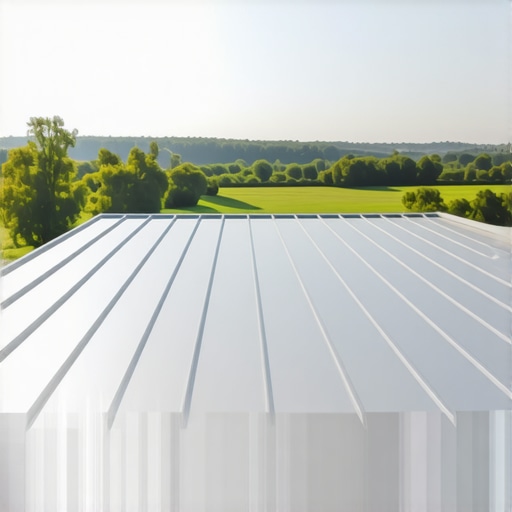
The High-Noon Forensic: Why Your Roof is Turning to Crackers
I remember a call out in the valley three summers back. The homeowner was screaming about her AC being broken. The HVAC guy had already been there twice, swapped the compressor, and checked the coolant. Everything was ‘fine,’ but the house stayed at a miserable 85 degrees. When I finally climbed up there, walking on that roof felt like walking on a tray of burnt crackers. I reached down, grabbed a handful of shingles, and they literally crumbled into dust in my palm. The sun hadn’t just faded the color; it had sucked every ounce of bitumen oil out of the substrate. This is the reality of the Southwest desert climate: your roof isn’t just a lid; it’s a slow-motion chemical fire. Most local roofers will sell you a standard 30-year shingle and tell you you’re good. They’re lying. In this heat, a standard shingle is lucky to hit 15. That’s why the 2026 standards for cool roofing aren’t just a ‘green’ fad—they are a survival mechanism for your home’s structural integrity.
“High-reflectance roofing systems can reduce peak cooling demand by 10-15 percent, particularly in hot-dry climates where solar radiation is the primary driver of attic heat gain.” – National Roofing Contractors Association (NRCA)
Mechanism Zooming: The Physics of Thermal Shock
When we talk about roofing companies pushing ‘cool roofing,’ we need to look at the physics of Thermal Expansion. During a typical July day, your roof surface can easily hit 190°F. Then, a sudden monsoon rain hits, dropping the temperature by 60 degrees in minutes. This is what we call Thermal Shock. The material tries to contract faster than the fasteners (those ‘shiners’ or missed nails) can handle. Over time, this tears the seal strips and creates micro-fissures in the asphalt. The 2026 cool roofing technology uses advanced pigments that specifically target the infrared spectrum. Unlike old-school white roofs that looked like a commercial warehouse, these new materials use multi-layered granules that reflect the heat you can’t see while keeping the color you want. This prevents the roof from becoming a giant radiator that continues to pump heat into your attic long after the sun goes down.
1. Radical Reduction in UV Degradation
The number one killer of roofing in the desert is UV radiation. Think of it like a sunburn that never heals. Standard roofing companies often ignore the ‘Solar Reflectance Index’ (SRI). A cool roof with a high SRI doesn’t just bounce light; it resists the molecular breakdown of the polymers. By 2026, the industry is moving toward PVDF-coated metal and ‘cool granules’ that are embedded, not just coated. When you use a material that stays 50 degrees cooler, you aren’t just saving on energy; you are stopping the oil from leaching out of the shingle. Once those oils are gone, the fiberglass mat is exposed, and your ‘waterproof’ barrier becomes as porous as a screen door. I’ve seen squares of roofing where the granules were completely gone after just seven years because the contractor used a cheap ‘contractor grade’ shingle that couldn’t handle the UV load.
2. Protecting the Attic Micro-Climate
Your attic is the lungs of your house. If the roof is cooking, the attic becomes a pressurized oven. Most local roofers forget about the ‘Attic Bypass’—the tiny gaps around plumbing stacks and light fixtures where that 140°F attic air gets sucked into your living space. A cool roof stops the heat at the gate. By maintaining a lower surface temperature, the radiant heat transfer to the attic floor (and your insulation) is drastically reduced. This means your R-38 or R-60 insulation isn’t being overwhelmed. It also prevents the plywood deck from ‘baking.’ I’ve torn off roofs where the sheathing was so charred and brittle from attic heat that it snapped like a toothpick. That’s a structural failure caused entirely by poor thermal management.
3. The End of the ‘Trunk Slammer’ Warranty Trap
Let’s talk about the ‘Lifetime Warranty.’ It’s the biggest joke in the trade. Most of those warranties cover ‘manufacturing defects’ but specifically exclude ‘normal weathering.’ In the desert, ‘normal weathering’ is a death sentence. The 2026 cool roofing standards are forcing manufacturers to actually back their performance metrics because the materials are engineered for extreme SRI longevity. When you hire reputable roofing companies, they won’t just talk about the shingles; they’ll talk about the Radiant Barrier underlayment. If you aren’t using a reflective underlayment in conjunction with cool shingles, you’re only doing half the job. It’s like wearing a winter coat over a t-shirt in July. You need the whole system to breathe and reflect.
“Buildings shall be designed to minimize solar heat gain through the use of high-albedo materials or external shading devices, particularly in Climate Zones 1 through 3.” – International Residential Code (IRC), Section R303
4. Mitigating the Urban Heat Island Effect
If every house in your neighborhood has a dark, heat-absorbing roof, the ambient air temperature in your block stays 10 degrees higher than it should. This is the ‘Urban Heat Island’ effect. By switching to 2026-compliant cool roofing, you’re actually helping lower the temperature of your entire micro-neighborhood. This isn’t just about being a ‘good neighbor’; it’s about reducing the workload on your specific AC unit. When the air your condenser is pulling in is 115°F instead of 125°F, the mechanical efficiency skyrockets. I’ve seen HVAC units last five years longer simply because the roof was upgraded to a high-reflectivity system.
5. Structural Longevity and the ‘Cricket’ Factor
Cool roofing isn’t just about the flat surfaces; it’s about the details. 2026 standards emphasize better flashing and the use of ‘Crickets’—those small peaked structures behind chimneys that divert water. In high-heat areas, flashing often fails because the metal expands and pulls away from the masonry. Cool roofing systems use integrated expansion joints and high-reflectance coatings on the flashing itself to ensure that the seals stay tight. If your roofer isn’t talking about how the heat affects your valley flashing or your chimney crickets, they aren’t a forensic expert; they’re just a shingle-flopper. Water is patient, but heat is aggressive. It will find the smallest gap created by thermal expansion and let the next monsoon rain right into your dining room.
The Final Verdict: Don’t Buy a Temporary Roof
When you’re looking at roofing, don’t just look at the price per square. A cheap roof in a hot climate is the most expensive thing you’ll ever buy because you’ll be replacing it in a decade and paying 30% more in electric bills every month in between. The 2026 cool roofing technology is the first real leap in material science we’ve had in twenty years. It addresses the forensic reality of why roofs actually fail: heat, UV, and thermal shock. Pick a contractor who understands the physics of your climate zone. If they don’t know what an SRI rating is, or if they try to tell you that a ‘dark gray’ shingle is just as good because it’s ‘heavy,’ show them the door. Your home deserves a shield, not a heat-sink. [IMAGE_PLACEHOLDER]