
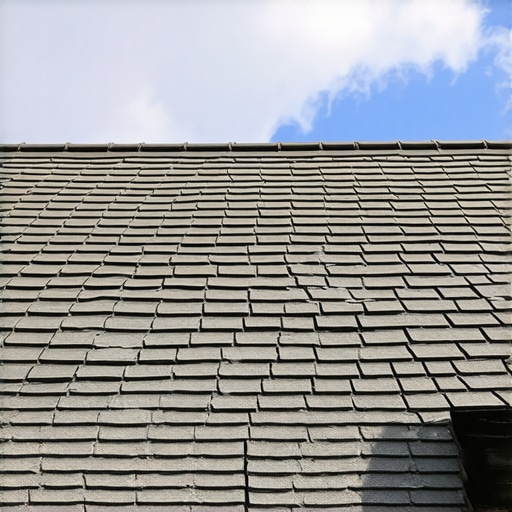
The Forensic Reality of the 160-Degree Roof Deck
Walking onto a roof in the high desert of the Southwest during mid-August isn’t just about the heat radiating through your work boots; it’s about the sound. On a recent inspection in the outskirts of Phoenix, I stepped onto a three-year-old architectural shingle roof and it didn’t give under my weight like a resilient material should. It crunched. It felt like walking on a layer of stale potato chips. I knew exactly what I’d find before I even bent down to pull a sample: premature volatilization of the asphalt oils. The manufacturer had marketed this as a ‘lifetime’ product, but the physics of thermal shock don’t care about marketing brochures. Most local roofers will tell you the roof looks fine from the ground, but up close, the fiberglass mat was already gasping for air. This is the reality we are seeing as we move toward 2026—materials are being pushed to their absolute physical limits by increasing UV radiation and poor attic ventilation.
“Proper ventilation is the prerequisite for material longevity; without it, the roof is essentially being cooked from both sides.” – NRCA Design Manual
1. Thermal Splitting: The Bridge Gap Failure
The first sign of the 2026 shingle crisis is something the trade calls thermal splitting or ‘bridging.’ This isn’t your standard wind damage. It’s a structural failure of the shingle’s internal chemistry. As the sun beats down, the asphalt expands. When the sun drops and the desert air cools by 40 degrees in three hours, the material contracts. If the asphalt has lost its plasticizers—the oils that keep it flexible—it can’t handle the movement. It snaps. You’ll see these cracks running vertically, often straight through the thickest part of the shingle. If a roofing company tells you this can be fixed with a bit of mastic or caulk, they are selling you a lie. That crack is a symptom of a dead system. Once the mat is breached, capillary action takes over. Water doesn’t just fall through the hole; it gets sucked sideways under the shingle, traveling along the top of the underlayment until it finds a shiner—a nail that missed the rafter—and then you’ve got a leak in a room thirty feet away from the actual crack.
2. Spider-Webbing and UV Desiccation
The second sign is more subtle but equally lethal: spider-webbing. This is the 2026 version of aging. Modern shingles often use more limestone filler and less actual asphalt to keep costs down. Under intense UV exposure, the top layer of the shingle begins to shrink at a different rate than the core. This creates a network of fine, hairline fractures that look like a dry lakebed. When you see this, the granules—those little colored stones—start to lose their grip. Once the granules shed into your gutters, the underlying asphalt is exposed to direct sunlight. It’s a death spiral. Without that mineral armor, the sun roasts the remaining oils out of the shingle in a single season. I’ve seen ’30-year’ roofs reduced to paper-thin scraps in less than a decade because the UV defense failed. Roofing companies often ignore this during ‘free inspections’ because it’s hard to see from the ladder, but a forensic pro knows that losing your granules is like losing your skin; infection (leaks) is inevitable.
3. The ‘Claw’ and Edge Curling
The third sign is the ‘claw’—when the corners of the shingle start to turn upward or inward. In our climate, this is almost always a sign of an attic that’s behaving like a kiln. If your local roofers didn’t install enough intake vents at the soffits or a proper ridge vent, the heat builds up in the attic space to 170 degrees or more. This heat bakes the bottom of the shingle while the sun bakes the top. The shingle dries out, shrinks, and the edges begin to curl. This creates a massive problem for wind resistance. A flat shingle is a wind-resistant shingle. A curled shingle is a sail. The next time a monsoon or a high-wind event rolls through, the wind gets under those curled edges and peels the square right off the deck. It’s not a ‘storm damage’ problem; it’s a ‘physics of heat’ problem that started years ago.
“A roof is not a singular object; it is a system of managed physics designed to shed energy as much as water.” – Old Roofer’s Axiom
The Warranty Trap and The Material Truth
When you’re looking at roofing options in 2026, don’t get blinded by ‘Limited Lifetime Warranties.’ Read the fine print. Most of these warranties are heavily prorated after the first ten years, and they often exclude ‘thermal shock’ or ‘lack of ventilation.’ It’s a way for manufacturers to exit their obligations when the roof fails early. If you’re tired of the asphalt cycle, this is where we talk about the ‘Surgery.’ In high-heat zones, asphalt is often the wrong choice. Moving to a concrete tile or a standing-seam metal roof isn’t just an aesthetic choice; it’s a forensic necessity. Metal reflects the UV that destroys asphalt, and with a proper cricket installed behind chimneys to divert water, a metal roof can outlast three asphalt replacements. Don’t let a ‘trunk slammer’ convince you that another layer of shingles is the answer. Tearing off the old, rotten material, inspecting the plywood for ‘oatmeal’ rot, and installing a high-temp ice and water shield is the only way to ensure you aren’t calling a contractor again in five years. You need a pro who understands the chemistry of the deck, not just how to swing a hammer.