
The Forensic Autopsy of a $15,000 Living Room Disaster
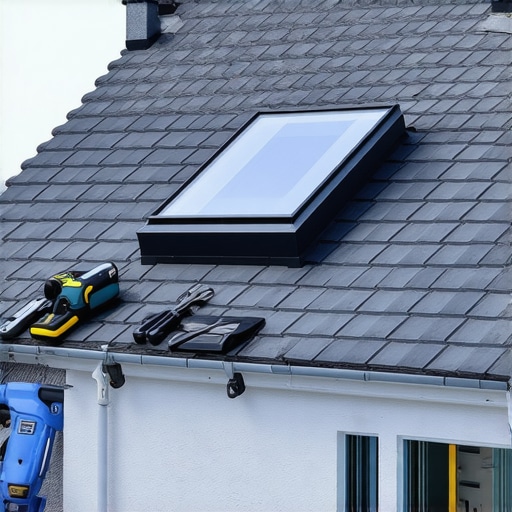
Walking on that roof felt like walking on a sponge. I knew exactly what I’d find underneath before I even pulled my pry bar out of my belt. The homeowner told me the roofing companies he hired three years ago said it was a ‘lifetime’ install. But as I stepped near the flared light shaft of the master bedroom skylight, the deck groaned. That’s the sound of structural rot. It’s the smell of stagnant water and moldy fiberglass insulation that’s been trapped in a dark, 120-degree crawlspace for two seasons. Most local roofers see a leaking skylight and reach for a tube of solar seal or some cheap plastic cement. That’s not a fix; that’s a stay of execution. By 2026, the industry is seeing a surge in skylight failures not because the glass is bad, but because the physics of the installation is being ignored by ‘trunk slammers’ looking to cut corners.
The Physics of Failure: Why Skylights are Thermal Magnets
To understand why your skylight is failing, you have to stop thinking of it as a window and start thinking of it as a hole in your thermal envelope. In cold climates, a skylight is a literal chimney for heat. Warm, moist air from your kitchen or bathroom rises into that light shaft. If the roofing contractor didn’t insulate that shaft to at least R-49, that moisture hits the cold underside of the flashing and turns into ‘attic rain.’ You think the roof is leaking during a storm, but it’s actually ‘leaking’ on a clear, 20-degree day because of condensation. This is the Mechanism of Failure: capillary action pulls that moisture under the shingle laps, where it sits against the plywood, turning your decking into oatmeal.
“A roof is only as good as its flashing, and a skylight is only as good as its curb.” – NRCA Manual
Fix 1: The Multi-Stage Flashing Overhaul
The first fix for 2026 standards is moving away from simple step flashing. We are now seeing the necessity of an integrated ‘three-tier’ defense. First, the curb must be wrapped in a high-temp ice and water shield that extends at least 12 inches up the frame and 12 inches onto the deck. Most local roofers stop at the base. If you don’t create a continuous ‘bathtub’ seal, wind-driven rain will find a way in. We use crickets—small diverted peaks—on the upslope side of any skylight wider than 24 inches. Without a cricket, water dams up behind the frame, building hydrostatic pressure until it forces its way past the primary seal.
Fix 2: Eliminating the Thermal Bridge
Modern roofing companies often overlook the ‘shiner’—a nail that missed the rafter and hangs into the attic space. In 2026, we’re finding that these shiners act as thermal bridges, conducting frost into the light shaft. The fix involves a complete spray-foam or rigid-board insulation wrap around the skylight curb before the shingles are even laid. This prevents the ‘dew point’ from occurring inside your roofing assembly. If your roofer isn’t talking about the dew point, they aren’t fixing your skylight; they’re just swapping the glass.
Fix 3: Structural Curb Height Adjustment
I see it every week: a skylight mounted flush to the roof deck. That is a recipe for disaster in any zone that sees snow or heavy leaf debris. The 2026 fix requires a minimum 4-inch raised curb. This lifts the ‘critical seal’ above the water line during a heavy downpour. When water rushes down a valley and hits a flush-mount skylight, it creates a wake, just like a boat. That wake forces water upward—defying gravity—and right into your living room. A raised curb breaks that hydraulic jump and keeps the interior dry.
Fix 4: The ‘Bypass’ Air Sealing Protocol
The final fix isn’t on the roof at all; it’s in the attic. An ‘attic bypass’ is a hidden gap where wires or pipes enter the skylight shaft. If these aren’t sealed with fire-rated caulk, they pull humid air into the roof assembly like a vacuum.
“The building envelope must be considered as a whole; a failure in one component is often a symptom of another.” – IRC Building Code Commentary
By sealing these bypasses, you stop the ‘phantom leaks’ that plague so many homeowners. Don’t let a contractor tell you a new skylight is the only answer. If they don’t check the ventilation and the air seals, you’ll be calling another pro in three years to fix the same rot.