
The Looming Labor Crunch of 2026
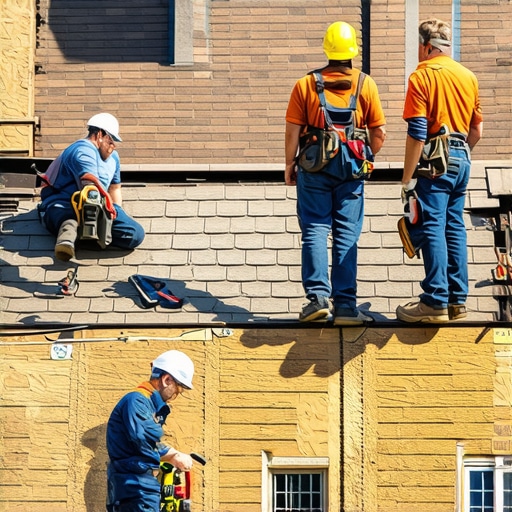
Listen, I’ve spent twenty-five years on the roof deck, smelling the sour rot of OSB that’s been weeping for a decade and feeling the 140-degree heat radiate off a black shingle. I’ve seen the ‘trunk slammers’ come and go, leaving behind a trail of leaky valleys and frustrated homeowners. If you think finding a qualified crew is hard now, wait until 2026. The labor market in the roofing industry is tightening like a wet leather strap in the sun. As we look toward 2026, the cost of ‘human hands’ is going to outpace the cost of the petroleum in your shingles. If you want to save money when hiring local roofers, you have to stop thinking like a consumer and start thinking like a forensic investigator.
My old foreman used to say, ‘Water is patient. It will wait for you to make a mistake.’ He wasn’t talking about the shingles; he was talking about the man holding the nail gun. When a crew is rushed because they’re underpaid or overbooked, they start creating ‘shiners’—nails that miss the rafter and poke through the plywood. On a cold morning, those nails will frost over from attic moisture, then drip, drip, drip into your insulation. You won’t see the leak for two years, but by then, your rafters are as soft as a sponge. To save money in 2026, you need to understand the physics of the roof and the economics of the crew.
1. The Geometry of the Save: Simplify the Physics
Every time you add a dormer, a chimney, or a complex valley, you’re adding labor hours. Water loves a valley. It gathers there, gains velocity, and tries to shove itself under the flashing through hydrostatic pressure. If you are planning a renovation before 2026, simplify your roofline. A ‘square’ (that’s 100 square feet in trade talk) on a simple gable roof costs significantly less in labor than a square on a complex hip roof with multiple ‘crickets’—those small peaked structures we build to divert water behind a chimney. By reducing the number of penetrations and complex transitions, you’re not just saving on materials; you’re reducing the ‘Mechanic Hours’ required to flash those areas correctly.
“A roof is only as good as its flashing.” – Old Roofer’s Adage
When you have fewer valleys, there are fewer places for a tired installer to make a mistake on a Friday afternoon.
2. The Strategic Off-Season Staging
Roofing companies are seasonal beasts. In the Northeast or Midwest, everyone panics and calls for a replacement in October before the first snow. That is when labor is at a premium. If you want to save, you book your 2026 project for the ‘shoulder seasons.’ I’m talking about the window where the ground is still frozen enough to support a dump trailer without rutting your lawn, but the sun is high enough to seal the bitumen strips on the shingles. By staging your materials in late winter and scheduling the labor for the early spring ‘thaw’ window, you can often negotiate a ‘fill-in’ rate. Local roofers hate having their crews sit idle. A crew that isn’t banging nails is costing the owner money in overhead. If you provide them a guaranteed job during their slow period, you’ll see the labor price drop by 10-15%.
3. Material Staging and Site Prep
Time is the enemy of the roofer. If a crew arrives at your house and has to spend three hours moving your patio furniture, covering your prize-winning hydrangeas, and figure out where to park the debris trailer, you are paying for that time. To save on 2026 labor, you handle the ‘ground game.’ Tell the roofing companies that you will handle the permit (if your municipality allows), you will clear the perimeter, and you will provide a dedicated staging area for the ‘squares’ of shingles. When a lead mechanic sees a clean, ready-to-work site, they know they can get ‘in and out’ faster. Efficiency is the only way a contractor keeps their margins high, and if you facilitate that efficiency, you have leverage to ask for a better labor rate.
4. The ‘Lifetime Warranty’ Myth vs. The Skilled Mechanic
I’m going to tell you a secret that the big roofing companies don’t want you to know: that ‘Lifetime Warranty’ on the back of the shingle bundle is mostly marketing fluff. It covers material defects, but 99% of roof failures are labor defects. They are caused by improper ‘thermal bridging’ in the attic, lack of intake ventilation at the soffits, or—most commonly—high-nailing. When a roofer nails above the designated strike zone, the shingle isn’t properly secured. Eventually, the wind gets under it, and it flaps until it snaps.
“The roof shall be covered with approved roof coverings kept in good repair.” – International Residential Code (IRC) R901.1
To save money, don’t pay for the ‘Platinum Super-Duper Warranty’ from a salesman in a polo shirt. Instead, pay a fair wage to a local roofer who can show you his ‘flashing kit.’ A real mechanic treats a piece of copper or aluminum flashing like a piece of art. They understand capillary action—how water can actually move upward or sideways against gravity if the gap is tight enough. You save money by doing it right once. A cheap roof that fails in seven years is the most expensive thing you’ll ever buy.
Identifying the Forensic Signs of a Good Crew
When you’re interviewing roofing companies for your 2026 project, look at their shoes and their trucks. If the truck is a disorganized mess of loose nails and old shingles, that’s how they’ll treat your attic. Ask them about ‘secondary water resistance.’ In cold climates, you want to hear them talk about Ice and Water Shield—a self-adhering membrane that stops the damage from ice dams. In the south, you want to hear about radiant barriers and high-flow ridge vents that prevent the attic from becoming an oven. The physics of your specific climate dictates the labor required. Don’t let a ‘storm chaser’ tell you that one system works for every house. If they aren’t talking about your specific ventilation needs, they aren’t roofers; they’re just shingle-scrappers.