
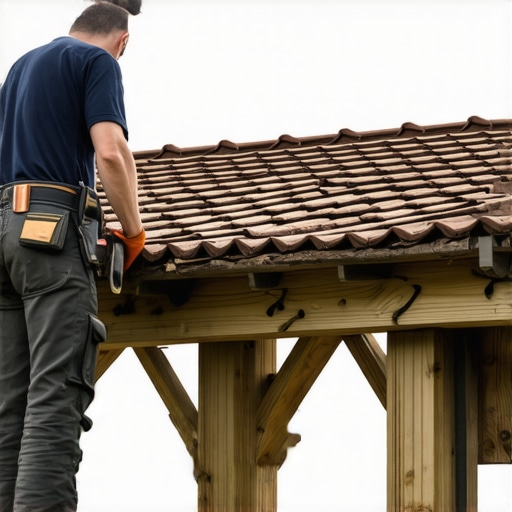
The Forensic Scene: Walking on a Sponge
The first thing I noticed wasn’t the shingle quality; it was the give. I stepped onto the roof of a suburban colonial, and instead of the firm, reassuring thud of 7/16-inch OSB, I felt a sickening, muffled sink. It felt like walking on a sponge after a week of rain. I knew exactly what I’d find underneath: a structural failure years in the making. Many local roofers walk past these signs every day, focusing on the surface, but the true story of 2026 roof rot is being written right now in the dark, damp spaces between your rafters and your decking. Roofing is a game of physics, and right now, the physics are working against many homeowners. When you see a brown stain on your ceiling, you aren’t looking at a leak; you’re looking at the final stage of a long-term forensic failure. Most roofing companies treat the symptom, but if we don’t look at the mechanism of rot, we’re just putting a new dress on a corpse.
The Physics of Failure: How Moisture Moves Side-Ways
Water is the most patient enemy you will ever face. It doesn’t just fall down; it travels via capillary action. Imagine two pieces of glass pressed together; a drop of water at the bottom will climb upward. This same principle applies to your shingles. When roofing is installed with too short an overlap, or when the 15-pound felt (which is basically just paper and oil) begins to degrade, water gets sucked underneath. This isn’t a flood; it’s a slow, microscopic migration. Over time, this moisture reaches the nail shaft. If you have a shiner—that’s a nail that missed the rafter and is just sticking out into the cold attic air—it becomes a lightning rod for condensation. In the winter, that nail gets freezing cold. The warm, humid air from your shower or kitchen hits that cold steel, and it drips. One drop at a time, every single day. By 2026, that single shiner has rotted a three-inch circle around itself, compromising the deck’s integrity. It’s why you can’t just trust any ‘chuck in a truck’ who claims to be one of the top local roofers. They won’t mention the attic bypasses that are fueling the decay from the inside out.
“A roof is only as good as its flashing, for the most sophisticated membrane will fail if the transitions are neglected.” – National Roofing Contractors Association (NRCA) Guidelines
The ‘Shiner’ Epidemic and Thermal Bridging
In the trade, we call them shiners, and they are the silent killers of modern homes. When a roofer is moving fast, firing a pneumatic nail gun at 100 PSI, they often miss the rafter. In a 30-square roof, there might be hundreds of these missed nails. During a cold snap, these nails act as thermal bridges. They pull heat out of your attic and replace it with frost. When the sun hits the roof the next morning, that frost melts. This ‘roofers rain’ is often mistaken for a leak in the shingles, but it’s actually a failure of the attic’s thermal envelope. Roofing companies that don’t understand ventilation will tell you that you need a new roof, but if they don’t fix the air leakage from your living space, your new 2026 roof will be rotting by 2030. The wood becomes soft, eventually turning into a substance I call ‘oatmeal plywood.’ Once the structural lignin in the wood is gone, the roof no longer has the pull-out strength to hold a nail. You’re essentially pinning your protection to a wet cracker.
The Dead Valley Trap and Capillary Siphoning
Valleys are the most vulnerable parts of any structure, but ‘dead valleys’—where two roof planes meet a vertical wall—are where local roofers often fail the most. If a cricket (a small peaked structure designed to divert water) isn’t installed behind a chimney or at a wall intersection, water will dam up. In colder climates, this leads to ice dams. The ice creates a physical wall, and the meltwater behind it has nowhere to go but up and over the top of the flashing.
“Roofing assemblies must be designed to shed water, not hold it; any deviation from this principle is a guarantee of future litigation.” – IRC Building Code Commentary
When water sits in a dead valley, it finds every pinhole. It finds the starter strip that wasn’t offset correctly. It finds the valley metal that was nailed too close to the center. Once it gets under the metal, it sits against the wood. Because there is no airflow in a valley, that wood never dries out. It stays at a constant 30% moisture content—the perfect breeding ground for wood-decay fungi. By the time you notice the shingles sagging in that area, the rafters themselves may be suffering from white rot. This is why roofing isn’t just about shingles; it’s about water management and ensuring that every transition is layered like a fish’s scales.
The Band-Aid vs. The Surgery
When I see a homeowner trying to fix rot with a tube of caulk, I cringe. Caulk is a temporary sealant, not a flashing system. If you have rot, you have a surgical problem. The ‘Band-Aid’ approach is to smear some plastic roof cement over the suspected area. This actually makes it worse by trapping moisture *inside* the wood, accelerating the rot. The ‘Surgery’ involves a full tear-off of the affected area, replacing the rotten OSB or plywood, and installing a high-temp ice and water shield. This membrane sticks directly to the wood, sealing around every nail that passes through it. It’s the difference between a cheap fix and a 50-year solution. Many local roofers will take the easy way out because they won’t be around when the ‘fix’ fails in two years. You need roofing companies that understand the chemistry of the materials they use, especially how different metals react when they touch (galvanic corrosion) and how different underlayments breathe.
The Cost of Waiting: 2026 Is Closer Than You Think
If you suspect your roof is soft, waiting another season is the most expensive decision you can make. What is a $1,500 repair today will become a $20,000 full-deck replacement by 2026. The rot doesn’t stop; it spreads. It moves from the decking to the rafters, then down the wall studs, and eventually into your floor joists. It brings mold, it brings carpenter ants, and it brings a massive hit to your home’s resale value. When you hire local roofers, ask them to show you the ‘shiners’ in your attic. Ask them about the cricket installation. If they don’t know what you’re talking about, find someone who does. Roofing is the most important structural system of your house. Don’t let a slow drip turn your biggest investment into a forensic crime scene.